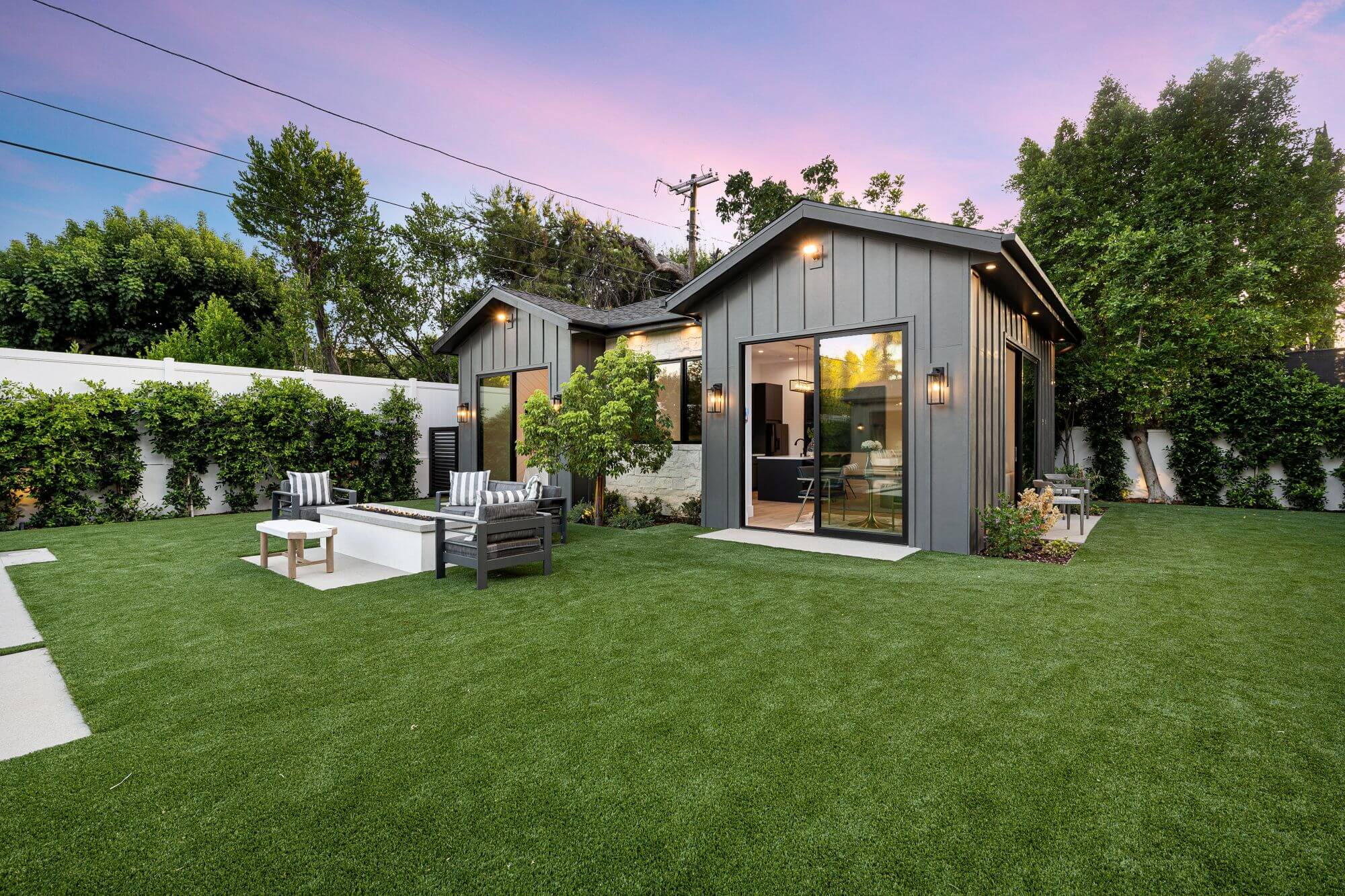
An accessory dwelling unit (ADU) could be a small home in the backyard, an apartment over the garage, a converted basement, or an addition built onto the side of an existing house.
Those options can look and feel very different, but they share the same basic idea: creating a smaller, independent living space on the same property as the primary home. Common reasons for adding an ADU include:
- Creating private space for a family member
- Planning for aging in place
- Adding flexible living space for the future
- Making room for long-term rental income on property you already own
If you're thinking about adding an ADU to your property, understanding the different types can be a helpful first step.
What Is an ADU?
An accessory dwelling unit, or ADU, is an independent living space located on the same property as a primary home.
Unlike a guest room or finished bonus space, an ADU is generally designed to function as its own living area. That usually means it includes space for sleeping, cooking, bathing, and everyday living (the exact legal definition can vary by state and municipality).
ADUs can be built inside an existing home, attached as an addition, or constructed as a separate building elsewhere on the property. Their size, placement, parking requirements, and permitted uses are typically shaped by local zoning and building rules.
You may also hear ADUs described as:
- In-law suites
- Backyard cottages
- Garage apartments
- Casitas
- Secondary dwelling units
- Accessory apartments
The terminology can vary, but the important details include how the space is built, whether it functions as an independent dwelling, and how local regulations classify it.
Why Do Homeowners Build ADUs?
Homeowners choose to create an ADU for many different reasons. Some want a private living space for an older parent or adult child, while others are planning for aging in place, making room for a caregiver, or adding housing that could eventually be rented.
An ADU can also give a property more flexibility over time. A private space built for your college student could serve as a guest area or long-term rental later, depending on household needs and local regulations. That flexibility is one of the reasons it helps to think beyond the immediate use when comparing types of ADUs. The layout that works best for a parent living nearby might be different from the one you’d choose for a future renter or yourself later in life.
Homeowners may also want to check for local or state financial incentives before beginning an ADU project. Depending on where you live, assistance could include grants, forgivable loans, permit-fee waivers, or incentives tied to affordable housing or energy-efficient improvements. These programs vary widely and can change over time, so check with your local planning or housing department.
Comparing Common Types of ADUs
Here’s a simple overview before looking at each option more closely.
| Type of ADU | Where It Goes | Makes Sense When... | Main Consideration |
|---|---|---|---|
| Interior ADU | Inside the existing home | You already have usable basement, attic, or other space | Creating privacy and a fully independent living area |
| Attached ADU | Addition connected to the main house | You need more space but want the unit connected to the home | New construction and how the addition fits the existing house |
| Garage ADU | Inside, above, or connected to a garage | You have garage space that could serve another purpose | Parking, structural changes, utilities, and code requirements |
| Detached ADU | Separate structure elsewhere on the property | You want the most separation between households | Available lot space and typically more extensive construction |
Interior ADU
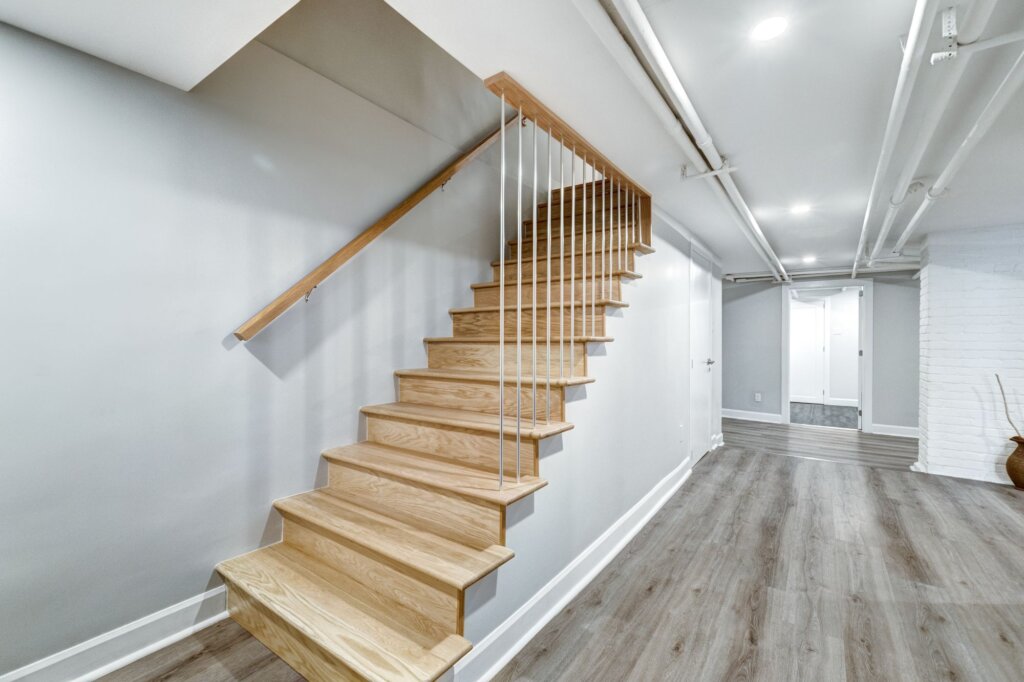
An interior ADU is created by converting part of the main home into a separate living space.
A basement apartment is one of the most familiar examples, but an interior ADU might also occupy an attic, upper floor, lower level, or another section of the house. Interior ADUs are attractive when the home already has enough square footage to divide into two functional living spaces.
Using existing space can also reduce the amount of new exterior construction required. However, that doesn’t mean the project will always be simple. The space still needs to meet requirements for access, ceiling height, emergency exits, fire separation, plumbing, electrical work, and other building standards.
Privacy is also a big consideration with an interior ADU. Separate entrances, sound control, parking access, and the location of shared walls can impact how independent the two households actually feel.
Does an Interior ADU Fit Your Home?
An interior ADU might be a good option for your space if:
- Your home has an underused basement, attic, or other substantial space.
- Preserving yard space is a priority.
- You want the ADU relatively close to the main household.
- The existing layout can reasonably accommodate a separate living area.
Attached ADU
An attached ADU is built onto the main house as a separate living area. It could be built along the side or rear of the home and generally has its own living areas while remaining physically connected to the primary residence.
An attached unit can offer a middle ground between interior and detached ADUs. Residents have their own space, but the two households remain close together. Attached ADUs can be beneficial for multigenerational living or situations where an aging family member wants independence while staying near relatives.
Because you’re adding new square footage, however, the project can involve foundation work, roofing, utilities, exterior materials, and changes to the existing structure. The addition also needs to work with the home’s layout instead of merely occupying available yard space.
When to Consider an Attached ADU:
Your property could be a good fit for an attached ADU if:
- The house doesn’t have enough interior space to convert.
- The property has room to expand the house.
- You want separate living quarters without placing another building elsewhere on your property.
- Keeping family members nearby is part of the goal.
What Is a Garage ADU?
Garages can create several ADU possibilities. An existing garage can sometimes be converted into living space, but you could also build an apartment above the garage or a new structure to combine vehicle storage with an ADU above. The appeal is easy to see when you're using space or a structure that already exists on the property. However, the practical questions can get more complicated.
Completely converting a garage may eliminate parking or storage. Building above a garage requires you to determine if the existing structure can support another floor. Either option can call for significant work to add insulation, plumbing, heating and cooling, windows, safe access, and other residential features.
Would a Garage ADU Work For Your Home?
A garage ADU could work well if:
- The garage is underused.
- You want to preserve most of the yard.
- The location provides a natural opportunity for a separate entrance.
- Losing or relocating parking won’t create another problem to solve.
What Is a Detached ADU?
A detached ADU is a separate structure on the same property as the primary home. This is the version people often picture when they hear terms like in-law suite, casita, or backyard cottage.
The biggest advantage of a detached ADU is separation. Someone living in a detached ADU can have a greater sense of having their own home instead of living in part of someone else’s. This distance can be valuable for renters, adult children, older relatives, or homeowners considering moving into the ADU themselves later in life.
A detached unit also gives you more freedom to design the floor plan. The tradeoff is that you’re essentially creating another small residential structure. Site preparation, foundation work, utilities, drainage, access, setbacks, and other requirements can make this one of the most involved options.
When to Consider a Detached ADU:
Your property might be a good candidate for an attached ADU if:
- The lot has enough usable space.
- Privacy between the two households is important.
- You want greater flexibility in the layout.
- You’re comfortable taking on a substantial construction project.
What About Prefabricated and Manufactured ADUs?
You might also see ADUs described as prefab, modular, or manufactured. These terms usually describe how the unit is constructed, rather than where it sits in relation to the primary home. For example, a prefabricated unit placed in the backyard would still generally fall into the detached ADU category.
This distinction is helpful when comparing options. First decide whether an interior, attached, garage, or detached layout works for your property, then you can choose how the unit might be built.
Which Type of ADU is the Easiest?
There isn't one type of ADU that is universally the easiest to create.
For some homes, an interior conversion might appear easier because the walls and roof already exist, but converting a basement that needs extensive moisture control, new exits, plumbing, or ceiling modifications can become a significant project.
A garage conversion can make efficient use of an existing structure, but it could require extensive upgrades before the space is suitable for year-round living.
Detached ADUs involve more new construction, but they can give designers a cleaner starting point without having to work around the layout of an existing home.
Instead of assuming one type will automatically be easier or less expensive, account for what your property already provides.
What Should You Check Before Choosing an ADU Type?
Before getting attached to a floor plan, find out what your property is actually allowed to accommodate.
ADU regulations can differ considerably by state and municipality. Local rules may address the size and height of the unit, setbacks from property lines, parking, owner occupancy, entrances, utility connections, short-term rentals, and the number of ADUs permitted on a property.
You’ll also want to look at the physical property itself. Consider your available space, construction access, utility locations, drainage, parking, privacy, and how the ADU could affect existing outdoor areas.
Those details may quickly eliminate some options and make others much more practical.
Frequently Asked Questions About ADU Types
Is a guest house the same as an ADU?
Not necessarily. An ADU generally functions as an independent dwelling with its own facilities for cooking, bathing, sleeping, and living. A guest house without those features may be classified differently under local regulations.
Can a basement be an ADU?
Yes, a basement can potentially become an interior ADU if it can meet applicable requirements for an independent dwelling. Whether a particular basement qualifies depends on its design and local building and zoning rules.
Can you convert a garage into an ADU?
In many instances, garage conversions are one way to create an ADU. However, the garage might need substantial modifications before it can meet residential building requirements, and local rules will determine whether the conversion is allowed.
Is a tiny house an ADU?
A small detached home can qualify as an ADU when it sits on the same property as a primary residence and meets local ADU requirements. A tiny house located on its own lot or designed as a movable dwelling may fall into a different category.
Can you rent out an ADU?
ADUs are often used as rental housing, but rental rules vary by jurisdiction. Some areas also treat long-term and short-term rentals differently, so homeowners should verify local requirements before planning around rental income.
Start With the Property, Then Choose the ADU
It’s easy to begin with a picture of the perfect backyard cottage or basement apartment, but the better starting point is the property you already have.
Once you understand what you're working with, you can compare privacy, project scope, accessibility, parking, and how you expect the space to be used over time. The best ADU design is the one that works with the property, local requirements, and the people who will actually live there.
This community resource is made possible through the generous support of local WhirLocal sponsors.