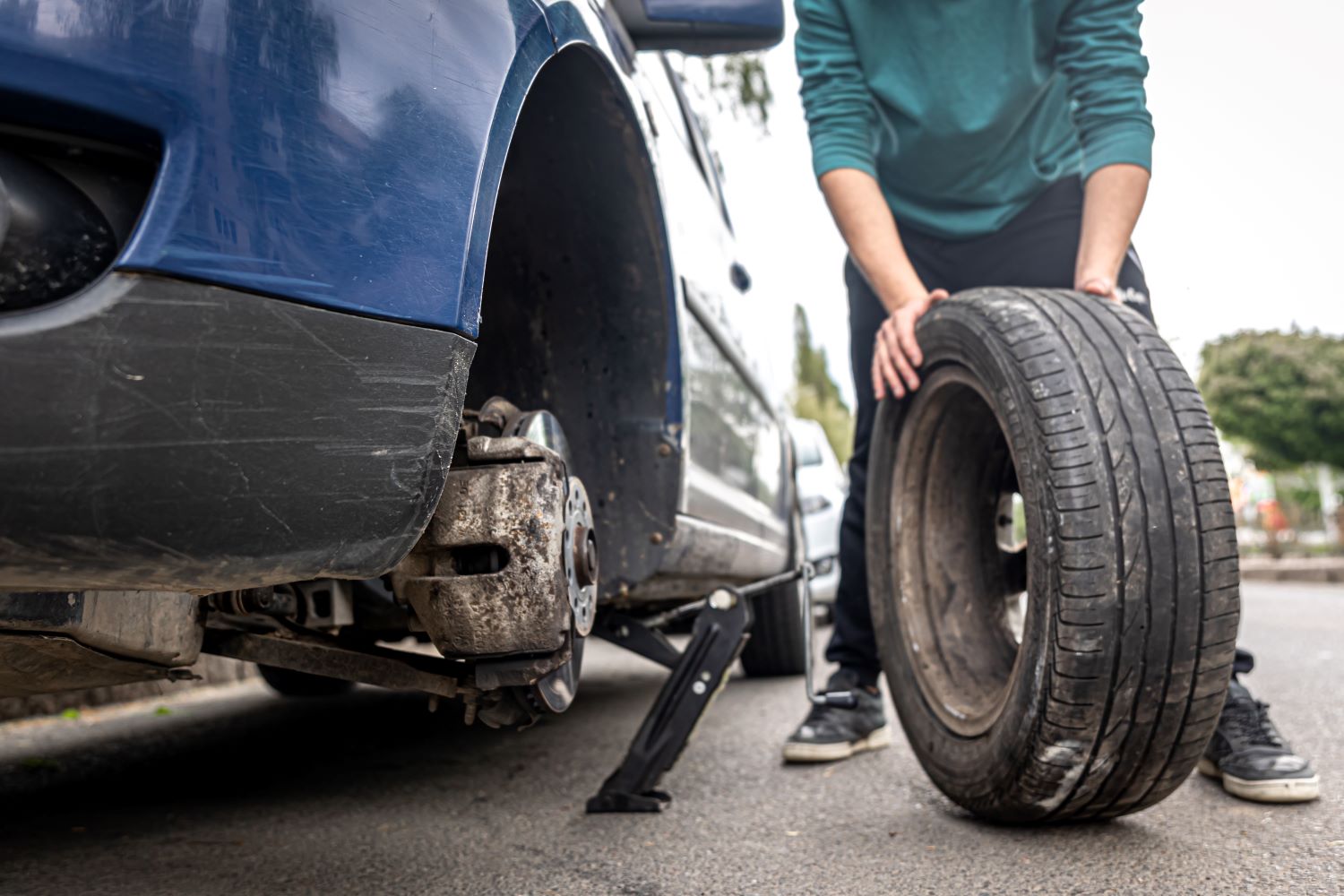
Tires play an important role in how safely and comfortably your vehicle handles the road. However, like other parts of your car, they wear down over time and eventually need to be replaced.
Knowing what to look for can help you recognize when a tire is nearing the end of its useful life. Here are a few key things to check when deciding whether it’s time for a new set.
Tread Depth
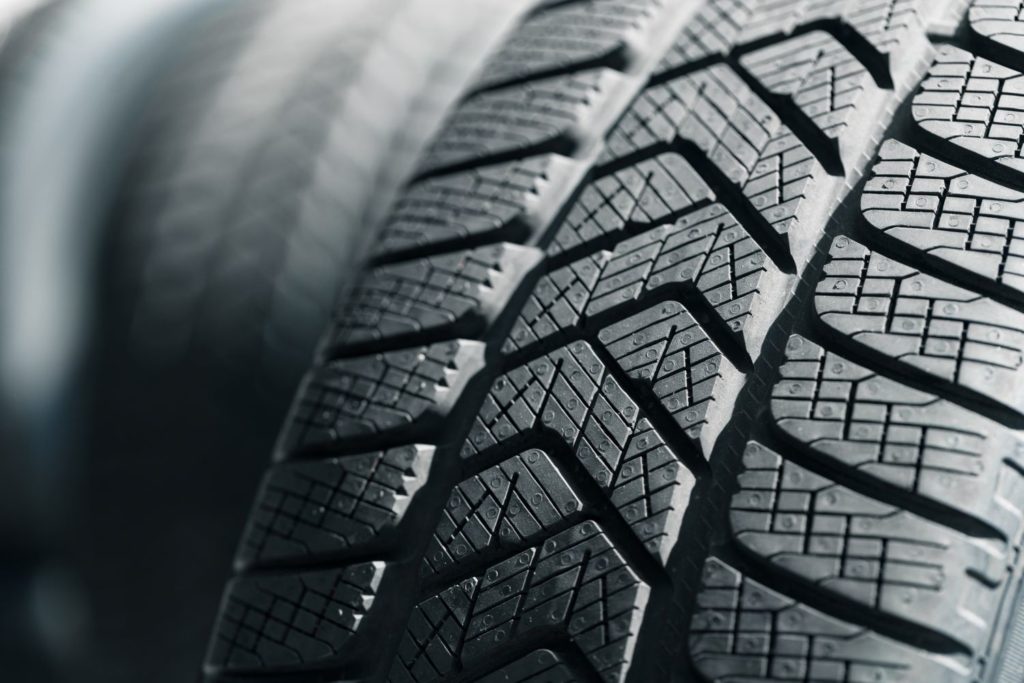
Tire tread helps your vehicle grip the road, especially when pavement is wet or slick. The most obvious sign that your tires need to be replaced is the tread depth.
The NHTSA says tires should be replaced when tread reaches 2/32 of an inch. Some tires have built-in tread wear indicators (TWIs) or "wear bars" that run across the grooves. Once the surrounding tread wears down to the same height as those bars, the tire has reached its replacement point.
You can also test your tire tread at home with a penny. Place a penny into a tread groove with Lincoln's head facing down. If you can see the top of his head, it's time for new tires.
If the tread is getting close, especially before a season with frequent rain or winter driving, start thinking about replacement before you’re caught off guard.
Uneven Wear
A tire doesn’t always wear evenly across the tread. One edge might wear faster than the other, or you could notice patches that look unusually smooth. Uneven wear can be connected to tire pressure, alignment, suspension issues, or a need for rotation.
The important thing is not to replace the worn tire and move on without asking why it happened. If the underlying cause isn’t addressed, the next set could start wearing the same way. Irregular wear is helpful information, especially if it appears in a consistent pattern across one or more tires.
Age of Tires
Most vehicles are driven enough that the tread wears out long before tire age becomes a concern. Others are driven less often and rack up relatively few miles, which means tires can still look surprisingly good several years later.
However, looks can be deceiving. Rubber and other tire materials change over time because of heat, sunlight, storage conditions, and normal use. That means a tire can age even when plenty of tread remains.
Some vehicle and tire manufacturers recommend replacement somewhere between six and 10 years old regardless of tread depth. Because those recommendations differ, it’s better to check the guidance for your vehicle and tires.
You can find a tire’s manufacture date in the DOT Tire Identification Number (TIN) on the sidewall. The last four digits show the week and year the tire was produced. For example, a code ending in 2524 means the tire was made during the 25th week of 2024. And don't forget to check the spare!
Cracks, Bulges, and Other Visible Damage
Tread wear usually happens slowly, but tire damage can be a different story.
Look over the sidewalls and tread for cuts, deep cracks, bulges, embedded objects, or areas that appear distorted. A bulge can indicate damage within the tire structure and deserves immediate attention.
Hitting a pothole or curb can also cause damage or alignment issues that aren't obvious from the outside. If the impact was hard or the vehicle starts driving differently afterward, having the tires inspected is a good idea.
If you drive over a nail or a screw, it doesn't always mean you need to replace the whole tire. Some punctures in the tread area can be repaired, depending on their size and location. Damage near the sidewall or shoulder is a different situation, so a tire professional can help determine whether repair is feasible.
Regularly inspect your tires for any visible damage like cracks, nails, or bulges, which are signs of serious issues that require immediate attention.
Changes in the Way the Car Drives
New vibrations, unusual road noise, pulling to one side, or a change in handling could also point to tire wear or damage. Those symptoms can also come from alignment, wheel balance, or suspension problems, so they don’t automatically mean you need new tires.
Still, they're worth checking out instead of simply getting used to them. If your car suddenly feels different, it's giving you beneficial information.
If the change began after hitting a pothole, curb, or road debris, mention it when you have the vehicle inspected. Additional context can help a technician narrow down what happened.
Tire Pressure Affects How Tires Wear
Keeping tires properly inflated affects how evenly they wear and how the vehicle handles. Underinflated tires can wear unevenly and build excess heat, while overinflation changes how much of the tread stays in contact with the road. Either condition can shorten tire life over time.
Check tire pressure when the tires are cold and use the recommended pressure listed on the vehicle placard, usually found inside the driver’s door, or in the owner’s manual.
If one tire keeps losing pressure, don’t assume it just needs occasional air. A puncture, valve problem, wheel issue, or another leak could be responsible. If your car is manufactured after 2008, your Tire Pressure Monitoring System (TPMS) should alert you to pressure issues.
Choosing the Right Replacement Tires
Once replacement is necessary, start with the size and specifications recommended for your vehicle.
You’ll usually find that information on the tire placard inside the driver’s door or in the owner’s manual. From there, think about how and where you actually drive. A long highway commute calls for different priorities than frequent snow, rough roads, or mostly short trips around town.
Price matters, but it shouldn’t be the only thing you compare. Tread life, wet-weather performance, ride comfort, noise, warranty coverage, and seasonal capability can all affect how satisfied you are with the tires over time. You might also want to consider tires and tire shops with good warranties and guarantees.
If you’re replacing only one or two tires instead of the whole set, ask a qualified tire professional about placement and compatibility with the remaining tires. All-wheel-drive vehicles can have additional requirements because differences in tire size or tread depth can affect the drivetrain.
Regular Checks Can Help You Plan Ahead
You don’t need to inspect your tires every time you drive, but making them part of a regular vehicle check can help small problems stand out sooner.
Check the tread, tire pressure, and visible condition at least monthly. It’s also smart to take a closer look before a long road trip or when the weather is about to change significantly.
Pay particular attention to anything that’s different from the last time you checked. If your tire suddenly looks lower, has a patch of unusual wear, or drives differently, that information can be more useful than knowing how many miles are on the set.
Frequently Asked Questions About Replacing Tires
How long do tires usually last?
There isn’t one mileage number or number of years that applies to everyone's circumstances. Driving habits, climate, road conditions, maintenance, tire design, and vehicle type all affect how long a set of tires lasts. Your vehicle and tire manufacturers can give you more specific guidance.
Is 2/32 of an inch still the replacement point?
Yes. When tire tread has worn to 2/32 of an inch, tires should be replaced. Built-in wear bars and the penny test can help you recognize when a tire has reached that point.
Do I need to replace all four tires at the same time?
Not always, but it depends on the vehicle and the remaining tire condition. Matching tire size, type, tread depth, and placement can affect handling, and all-wheel-drive vehicles might have stricter requirements. Check your vehicle manufacturer’s guidance or ask a tire professional before replacing only part of the set.
Can an old tire still be unsafe if the tread looks good?
Yes. Tire materials age even when the vehicle isn’t driven frequently. Age is one factor to consider along with tread depth, visible condition, and how the tire performs.
Should I replace a tire after hitting a pothole?
Not automatically, but a hard impact can cause damage that isn’t visible from the outside. If you notice vibration, a bulge, loss of pressure, or another change afterward, have the tire inspected.
Let the Condition of the Tire Make the Decision
There’s no single defining factor that tells you when a tire is finished. Tread depth, age, damage, wear patterns, and changes in performance all provide pieces of the answer.
Checking those things regularly gives you more time to plan instead of waiting for a warning light, a flat tire, or a stressful drive in bad weather.
If you’re not sure about what you’re looking for, a local tire or auto repair professional can measure the tread, inspect for damage, and help you decide whether the tires still have life left or if replacement makes more sense. Contact a local professional in your area today for more information.
This community resource is made possible through the generous support of local WhirLocal sponsors.