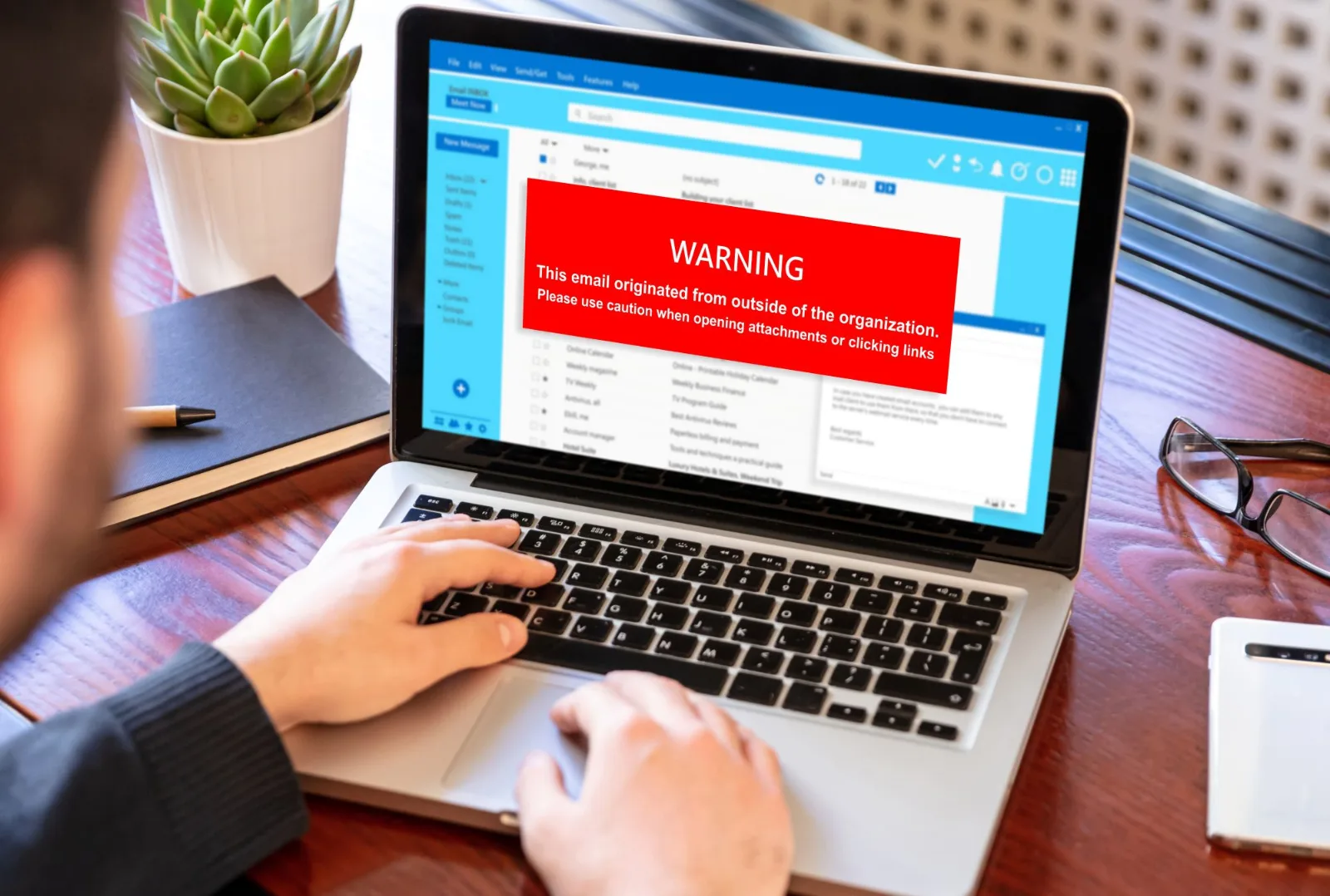
Fraud and scams can happen to any business, but small businesses can be especially vulnerable. With limited resources and growing demands, it's easy to overlook classic warning signs or assume you're too small to be a target.
Unfortunately, scammers count on that. This is why building awareness and putting safeguards in place is essential to protect your business.
Know the Common Types of Business Fraud
Understanding different types of scams is the first step when it comes to protecting your business. Here are a few of the most common that you might receive, especially by email:
Phishing emails asking for sensitive information
Fake invoices from vendors you’ve never worked with
Overpayment scams where a customer “accidentally” sends too much and asks for a refund
Impersonation scams pretending to be your bank, a utility provider, your accountant, or even another team member
These scams are convincing because they look ordinary at first glance. A fake invoice can resemble something your accounting team sees every day, while a phishing email might copy the logo, tone, and formatting of a company you already do business or have an account with.
Educating yourself and your team on how these scams typically unfold can help you recognize red flags. Even if the "from" email address looks legit, don't click on any links you're unsure about. Scammers can spoof email addresses and make links look incredibly convincing. Take a moment to scan for typos, consider whether the request makes sense, and verify unusual messages through a source you already trust.
Strengthen Internal Controls
Even trusted employees can make mistakes. That’s why it’s important to have clear procedures and checks in place, especially around money, sensitive information, and changes to vendor accounts.
Use tools that track financial transactions, require dual approvals for large payments, and restrict access to sensitive data. If you work with contractors or part-time staff, be mindful of what systems and information they can access.
It also helps to decide ahead of time who is allowed to approve payments, change banking information, or access certain accounts. Clear responsibilities can slow down a fraudulent request before money leaves the business and make it easier to spot activity that falls outside your normal process.
Verify Requests Before Taking Action
Always verify unusual or urgent requests, especially those related to wire transfers, login credentials, or changes in payment methods. Pick up the phone or use a verified email to confirm requests directly, especially if something feels off.
Bad actors often rely on urgency to keep people from thinking too carefully. A message might claim that an invoice is overdue, an account will be suspended, or a payment needs to be sent immediately. That pressure is a reason to slow down, not speed up.
If a request involves money or sensitive information, confirm it using contact details you already have on file instead of replying to the message or calling a number included in it. A quick independent check can prevent a convincing-looking request from turning into an expensive problem.
Be Aware of AI-Generated Scams
Artificial intelligence has made some familiar scams harder to recognize. Fraudsters can now use AI to create more convincing phishing messages, generate fake images or documents, and imitate the voice or appearance of a real person. The FBI has warned that scammers are using AI-generated voices, videos, and other content to impersonate trusted contacts and make fraudulent requests seem more believable.
For small businesses, that could mean receiving a voicemail that sounds like the owner asking for an urgent payment, a video message that appears to include a familiar person, or an unusually polished email that seems to come from a vendor.
Because these tools are getting better, old clues like awkward grammar or an obviously fake-looking message are less dependable than they used to be. A better safeguard is to verify sensitive requests through a second, trusted channel. If "someone you know" asks for money, login credentials, or a payment change, contact that person using a phone number or email address you already know rather than the contact information included in the message.
Invest in Cybersecurity
Good cybersecurity isn’t just for large corporations. Small businesses also hold valuable information, including customer data, financial records, employee information, and access to payment systems.
Use strong, unique passwords, enable multi-factor authentication, and keep your software and systems up to date. Consider investing in antivirus protection and secure cloud-based tools for data storage. Regular backups are also worth including in your security plan so a compromised device or ransomware incident doesn't leave the business without access to important files.
If you don't have the time or resources to dedicate to proper cybersecurity, consider hiring a trusted local IT firm to do the heavy lifting for you. They can help review your current setup, identify weak points, and establish practical protections that fit the size and needs of your business.
Additionally, if you handle customer payment information, make sure your systems follow applicable security requirements.

Train Your Team
Everyone on your team should know how to spot and respond to suspicious activity. Training doesn't have to be lengthy or highly technical in order to be useful. Short reminders about phishing, payment changes, password security, and unusual requests can help employees recognize situations that deserve a second look.
It's also important for employees to know what to do when they're unsure. Give them a clear person or process for reporting suspicious emails or verifying requests, and make it easy to speak up without worrying that they are slowing things down unnecessarily.
Scam tactics change over time, so training shouldn't be a one-time conversation during onboarding. Occasional refreshers can keep security habits top of mind and give you an opportunity to discuss new threats as they appear.
Frequently Asked Questions About Business Fraud and Scams
What are the most common scams targeting small businesses?
Phishing, fake invoices, impersonation scams, overpayment schemes, and business email compromise are all common concerns. Many of these scams rely on pretending to be someone the business already trusts, such as a vendor, employee, bank, software company, or customer.
How can I tell if an email from a vendor is legitimate?
Look closely at the sender’s address, but don’t solely rely on its appearance. If the message asks you to change payment information, send money, share credentials, or take an unusual action, verify the request using contact information you already have for that vendor. Scammers can spoof email addresses and make it look like the request is coming from a legitimate email.
Can scammers really imitate someone’s voice with AI?
Yes. Voice-cloning technology can make an impersonation sound surprisingly convincing. A familiar voice by itself is no longer enough to confirm someone’s identity, especially when the request involves money, account access, or sensitive information.
What should I do if my business falls for a scam?
Act quickly. Contact your bank or payment provider if money was sent, change compromised passwords, preserve relevant emails and transaction records, and notify the appropriate authorities. Depending on the situation, you may also need help from an IT professional, legal counsel, or your cyber insurance provider.
How often should employees receive scam-prevention training?
There is no single schedule that works for every business, but training should be ongoing rather than treated as a one-time event. Brief refreshers are especially useful when new scam tactics emerge, when employees gain access to financial systems, or when your business changes its payment or security procedures.
Fraud or scam attempts can strike at any time, but preparation makes a huge difference. A strong defense usually comes from several small habits working together: clear approval processes, secure systems, employees who know what to question, and a willingness to verify unusual requests before acting.
Scammers will continue changing their tactics, especially as new technology makes impersonation easier. Small businesses don't need to predict every new scheme, but they can make themselves much harder to fool by slowing down important decisions and building verification into the way they work.
This community resource is for informational purposes and does not contain professional cybersecurity advice. It is made possible through the generous support of local WhirLocal sponsors.
Brought to You By


Contact Sapphire Arts
Thanks, your message was sent to Sapphire Arts.