Fiber tends to get attention when digestion becomes a problem, which is not exactly the most glamorous introduction to a nutrient that does quite a lot for your health.
It supports regular digestion, can contribute to healthy cholesterol and blood sugar levels, and is linked with a lower risk of several chronic diseases. Fiber also shows up naturally in foods that bring plenty of other nutritional benefits with them, including fruits, vegetables, beans, whole grains, nuts, and seeds.
You can usually increase your fiber intake by making small changes to foods you already eat, whether that means switching breads, adding beans to a meal, or reaching for fruit more often.
Quick Take: Easy Ways to Eat More Fiber
Increasing your fiber intake doesn't have to be complicated. Try:
- Choosing whole-grain bread, cereal, pasta, or rice more often
- Adding beans, lentils, or chickpeas to meals
- Eating whole fruit instead of fruit juice
- Adding berries, nuts, or seeds to oatmeal or yogurt
- Including vegetables at lunch and dinner
- Snacking on fruit, nuts, vegetables, or popcorn (yes, popcorn!)
Start with one or two easy changes and build from there. Eating fiber-rich foods throughout the day is typically easier than trying to pack a large amount into one meal.

What Is Fiber?
Dietary fiber is a type of carbohydrate found in plant foods that your body doesn’t fully break down. Because your body doesn’t fully digest it, fiber continues through the digestive tract, where it can influence bowel function, cholesterol, blood sugar, and the gut environment.
You’ll usually hear fiber divided into two categories: soluble and insoluble. Soluble fiber, as the name suggests, dissolves or swells in water. It's often found in foods like beans, oats, fruit, and barley. Insoluble fiber adds bulk to stool and is common in whole grains, vegetables, nuts, and seeds.
Most high-fiber foods contain a mix of the two, so variety is beneficial. Eating a range of plant foods throughout the week can help cover those bases naturally.
Why Is Fiber Important?
Digestion is only one part of the picture. Fiber is also connected with heart health, blood sugar control, and long-term health.
Fiber Supports Digestive Health
Fiber can support regularity in a few different ways. People with chronic constipation may find that increasing their fiber intake through foods or some supplements can help improve how often bowel movements occur and how easy they are to pass.
If digestive symptoms are frequent, severe, or aren’t improving, it’s a good idea to bring them up with a health care professional.
Fiber Can Support Heart Health
Some types of soluble fiber can help lower LDL cholesterol, often called “bad” cholesterol. Higher fiber intake has also been associated with a lower risk of cardiovascular disease.
Fiber Can Help With Blood Sugar Control
Fiber can affect how quickly carbohydrates are digested and absorbed, which can lead to a more gradual rise in blood sugar after eating. Higher-fiber diets are also associated with a lower risk of developing type 2 diabetes.
Fiber May Play a Role in Colorectal Health
Fiber-rich eating patterns have also been associated with a lower risk of colorectal cancer. That connection is one reason organizations such as the World Cancer Research Fund encourage people to regularly eat whole grains, fruits, vegetables, beans, and other foods that naturally provide fiber.
Researchers think several things may be happening at once. Fiber helps move waste through the digestive tract, and some types are fermented by gut bacteria into compounds that may support the health of the colon.
The larger takeaway is less about adding one specific fiber food and more about building a diet that regularly includes a variety of plant foods.
How Much Fiber Do You Need?
Fiber needs vary based on age, sex, and calorie intake. Instead of getting too focused on a daily number, look at how often fiber-rich foods appear in your usual meals. If you notice fruits, vegetables, beans, whole grains, nuts, and seeds don't usually make it onto your plate, there's probably room to add more.
What Foods Are Good Sources of Fiber?
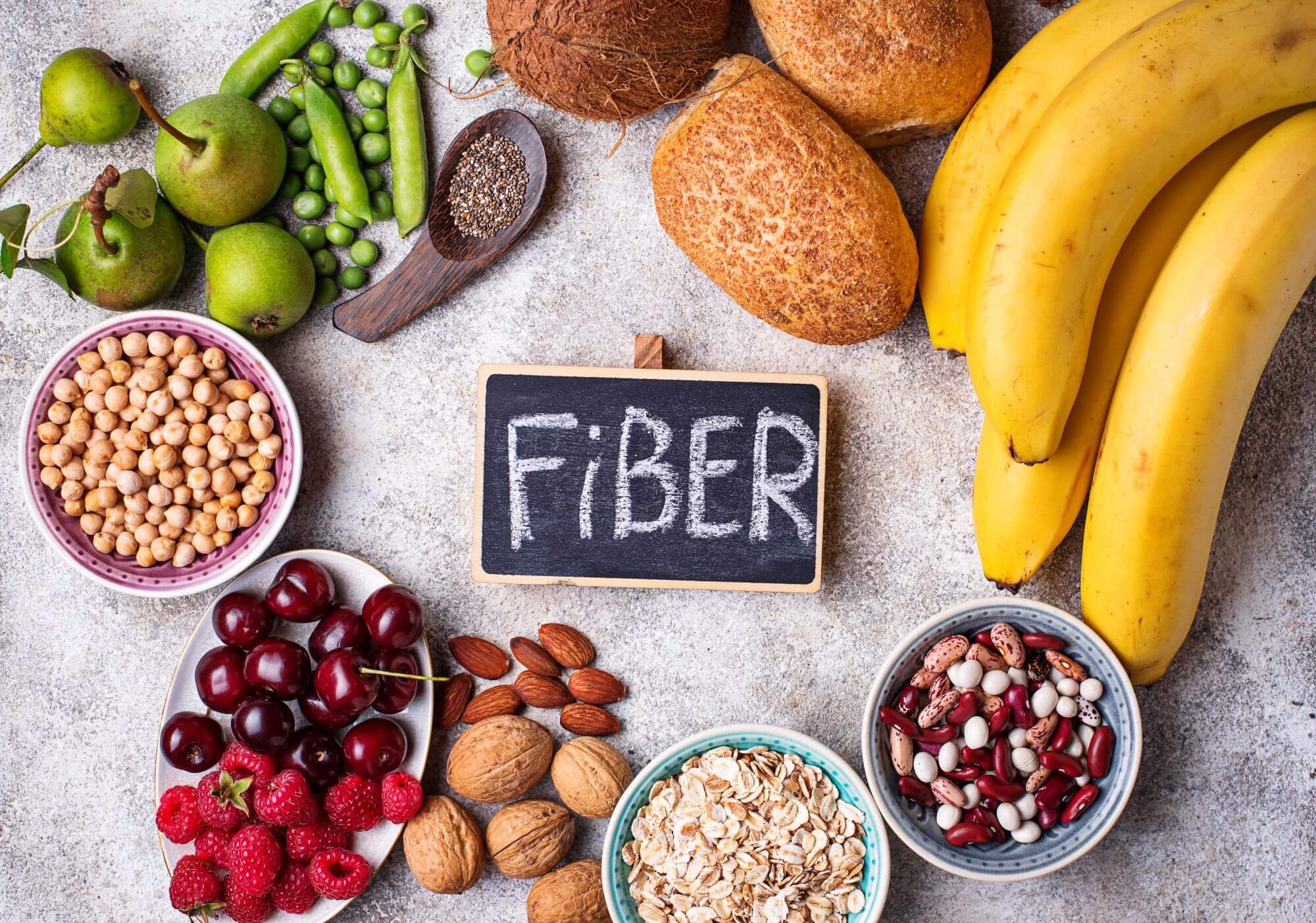
Fiber comes naturally from plant foods. Beans, lentils, chickpeas, oats, barley, brown rice, whole-grain bread, berries, apples, pears, broccoli, Brussels sprouts, carrots, peas, nuts, chia seeds, and flax seeds are just a few great options that can all add significant amounts of fiber to your diet.
The easiest way to incorporate fiber into your routine is to spread those foods throughout the day. You might eat oatmeal with berries in the morning, vegetables with your lunch, beans with dinner, and fruit or nuts as a snack. Spreading things out also gives you more variety, which is helpful for both nutrition and keeping meals interesting.
Where Can You Work More Fiber Into Your Meals?
Start with foods you already like and look for easy additions or swaps. If you prefer to eat cereal in the morning, compare the nutrition labels and choose one with more fiber. If you regularly eat sandwiches for lunch, try whole-grain bread. Add black beans to tacos, lentils to soup, or chickpeas to a salad.
Mindful snacks are also important. Fruit, nuts, vegetables with hummus, and even popcorn are good sources of fiber. Adding berries, nuts, chia seeds, or ground flax seeds to something like a salad or oatmeal can also boost fiber intake.
Should You Increase Fiber Slowly?
A sudden increase in fiber can cause gas, bloating, cramping, or general digestive discomfort. If you go from very little fiber to loading every meal with beans, bran, broccoli, and chia seeds, your stomach might have a few opinions about the plan. Increasing fiber gradually can be more comfortable as your body adjusts. Staying hydrated is also important as you add more fiber-rich foods.
Is Fiber-rich Food Better Than a Fiber Supplement?
For most people, food is a good place to start because fiber-rich foods bring more benefits to your overall health than fiber alone. Fruits, vegetables, beans, whole grains, nuts, and seeds also provide vitamins, minerals, protein, healthy fats, and other beneficial plant compounds.
However, fiber supplements can still be useful in some situations. If you’re considering a supplement because of ongoing digestive problems, a health care professional can help you decide whether additional fiber is appropriate and which type might make sense.
Make Fiber a Regular Part of the Day
Fiber may not be the flashiest nutrient, but it should earn a regular spot in your diet for more reasons than just digestion. A few simple choices can help you get more of it without changing the way you eat overnight.
Those small changes can add up over time, and once they become part of your routine, getting enough fiber starts to feel a lot less like something you have to think about.
This community resource is made possible through the generous support of local WhirLocal sponsors.