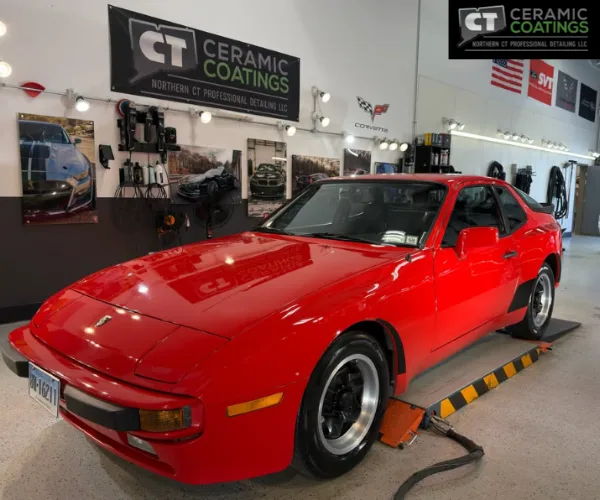
Windshield paint protection film is installed on exterior glass using clear film designed to help reduce damage from road debris. When the right product is professionally applied, it should preserve a driver’s view. Results depend on film quality, glass condition, preparation, and installation.
Why windshield protection needs a different approach
A windshield faces stones, sand, insects, and road grit. Connecticut drivers may encounter winter road material, wet highways, construction zones, and changing temperatures. Even a small chip can interrupt visibility or spread as glass experiences vibration and temperature changes.
Unlike film applied to body panels, windshield film must meet demanding optical requirements. It needs to remain clear, avoid distortion, and work with the vehicle’s wipers. It cannot replace safe following distance, careful driving, or glass repair.
How the installation process works
1. Inspect and prepare the glass
The installer checks for chips, cracks, scratches, contamination, and existing damage. Film should not conceal a defect requiring repair or replacement. The surface is cleaned to remove dirt, oils, and residue that could become trapped underneath.
2. Measure, shape, and position the film
The film is measured and cut to match the windshield. Depending on the product, it may be shaped to follow the glass curvature before placement. Accurate fitting helps prevent gaps, wrinkles, and edges that could affect appearance or wiper movement.
3. Apply with controlled moisture and pressure
An installer uses an appropriate solution to position the film, then works out moisture and air with professional tools. Even pressure helps the film settle against the glass without creases, trapped particles, or distortion. Edges are finished according to manufacturer instructions.
4. Allow proper curing
Some moisture or slight haze may appear immediately after installation while the film dries. The installer should explain the curing period, care instructions, and when washing is safe. Avoid unnecessary wiper use and abrasive cleaners during the recommended period.
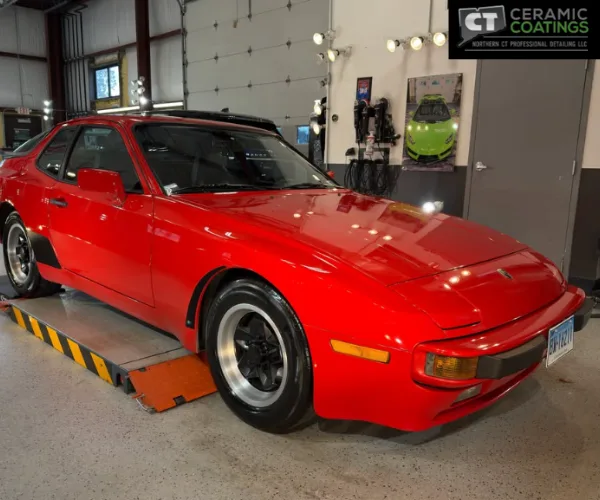
What protects visibility?
Choose film specifically designed for windshield use, not ordinary window tint or body-panel film. Ask about optical clarity, compatibility with driver-assistance cameras and sensors, and Connecticut restrictions. Regulations and product suitability can vary, so confirm compliance before installation.
For more context on evaluating protection, read Is Windshield Protection Film Worth It? What You Need to Know.
Drivers should check whether film is compatible with rain sensors, heated windshield elements, heads-up displays, and camera systems. Features differ by vehicle, so the installer should verify manufacturer guidance rather than assume every windshield accepts the same material. If glass is damaged, have it assessed professionally first.
A practical decision for Connecticut drivers
CT Ceramic Coatings can help local vehicle owners understand windshield protection options and installation considerations. Ask about the specific film, visibility, maintenance, and suitability for your vehicle before proceeding.
Clear visibility comes first. Proper product selection, a clean windshield, precise application, and realistic aftercare expectations help windshield paint protection film serve its purpose without compromising the view ahead.
Featured
Contact CT Ceramic Coatings
Thanks, your message was sent to CT Ceramic Coatings.