
Why is auto insurance so expensive?
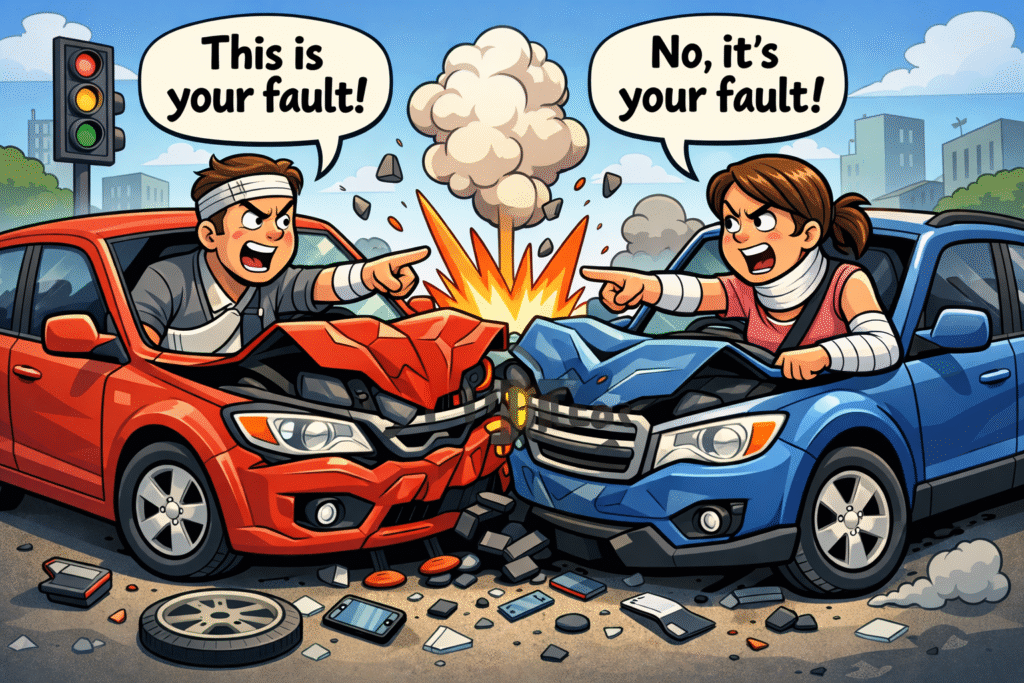
If you’ve opened your auto insurance renewal lately and wondered, “Why does this keep going up?”-you’re not alone. Across the US, drivers have seen sharp increases in auto insurance premiums over the last several years. While inflation plays a role, two major forces have been quietly driving costs higher for more than two decades:
- The rise in uninsured motorist claims
- Exploding medical costs from car accidents
Understanding these factors can help drivers make informed decisions about their coverage and better protect themselves on the road.
The Growing Impact of Uninsured Motorists
Despite legal requirements in most states, a growing number of drivers are operating vehicles without insurance.
- Roughly 1 in 8 drivers nationwide is uninsured, with that number increasing in recent years.
- Insurance industry data shows that uninsured motorist claim payouts have risen by approximately 70–80% over the past decade.
- Economic pressures and higher insurance costs have contributed to this trend, particularly since 2020.
Why this affects insured drivers
When an uninsured driver causes an accident, there is no liability coverage available to pay for injuries or damages. In these situations, claims are paid through:
- Uninsured/Underinsured Motorist (UM/UIM) coverage, or
- The injured party’s personal resources
These losses are ultimately reflected in overall insurance rates, affecting all policyholders—not just those involved in accidents.
Medical Costs From Auto Accidents Continue to Rise
Medical expenses are a major driver of auto insurance claim costs, and those expenses have increased dramatically over time.
- U.S. healthcare spending has more than tripled over the last 20 years
- Accident-related care now commonly includes advanced diagnostics, specialized treatment, and longer recovery periods
- Bodily injury claims—including medical payments—have risen sharply, with recent industry data showing increases of more than 30% in a short time frame
Long-term impact
Over the past two decades, medical payments associated with motor vehicle accidents have increased well over 100%, driven by healthcare inflation and higher treatment standards.
How These Trends Affect Auto Insurance Premiums
Insurance premiums are based on the cost and frequency of claims. When claims become more expensive, premiums must adjust accordingly. Rising uninsured motorist losses and higher medical costs create sustained upward pressure on rates through:
- Increased claim severity
- Greater reliance on UM/UIM coverage
- Higher legal and administrative costs
While insurers work to manage these costs, they cannot absorb them indefinitely without adjusting premiums.
How an Insurance Agency Can Help
Although drivers can’t control national trends, working with a knowledgeable insurance agency can make a meaningful difference. An independent agent can:
- Review coverage limits to ensure adequate protection
- Explain the importance of UM/UIM and medical payments coverage
- Identify available discounts and cost-saving opportunities
- Customize policies based on individual risk and driving habits
Final Thoughts
Rising auto insurance costs reflect broader economic and healthcare trends—not just individual driving behavior. By understanding the factors behind these increases and working with a trusted insurance advisor, drivers can make confident, informed decisions about their coverage.
If you have questions about your auto policy or would like a coverage review, our team is here to help.