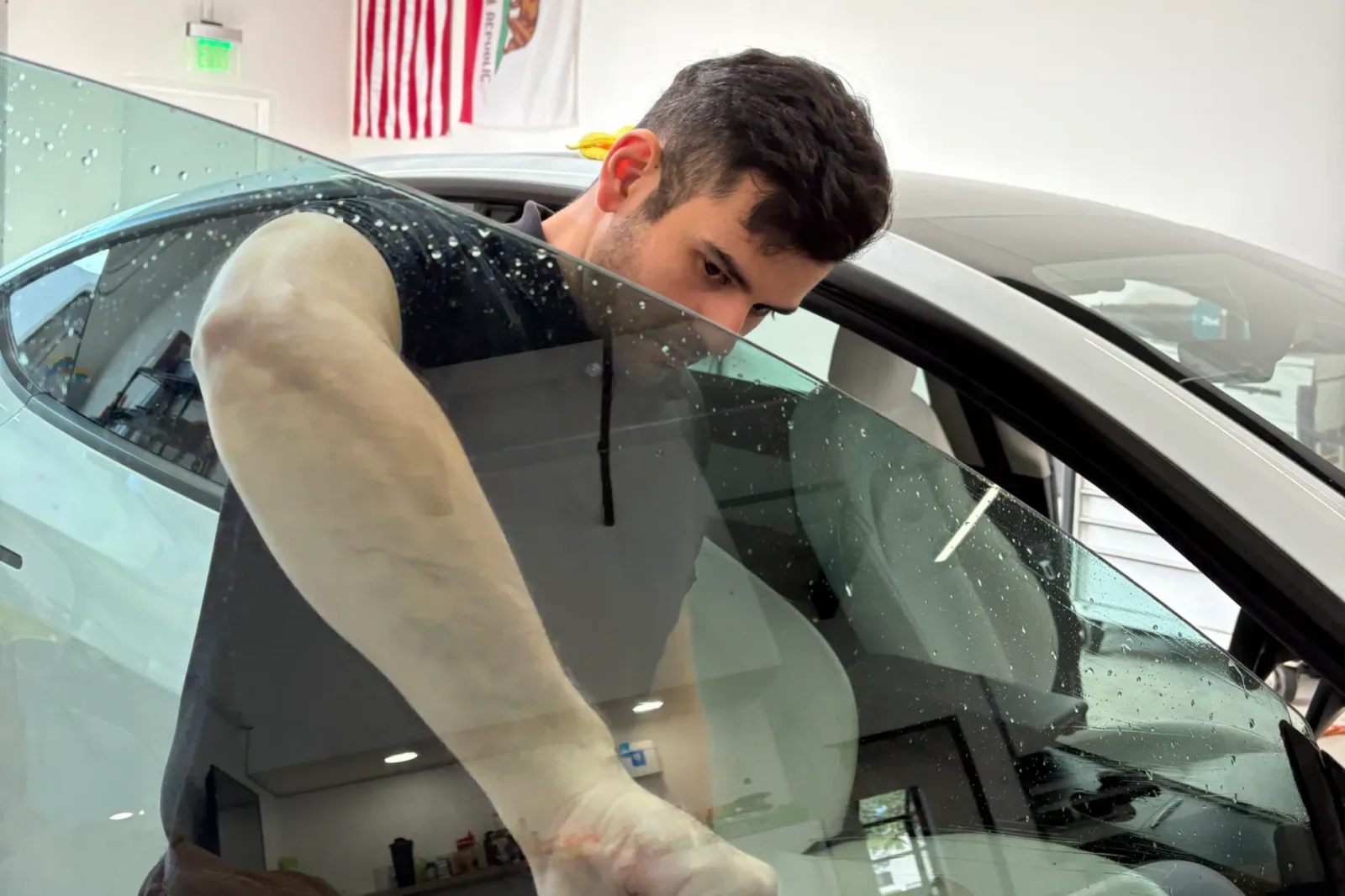
Window tinting affects visibility by changing how much light passes through vehicle glass, how glare enters the cabin, and how clearly drivers see objects from different angles. When sunlight enters through the windshield and side windows, reflections and changing brightness can affect visual comfort. The right film can help manage glare, but darkness, optical clarity, and glass condition all influence the results.
For drivers in Coronado, CA, bright coastal sunlight can create challenging conditions along waterfront roads, open intersections, and during morning or late afternoon commutes.
Why Does Sunlight Behave Differently Across Vehicle Windows?
Sunlight enters each window at a different angle because the windshield is sloped and side windows have different orientations. As a vehicle moves or turns, light can pass through multiple panes, creating changing brightness and reflections inside the cabin.
How Can Reflections Affect What Drivers See?
Light can reflect off glass, dashboards, and nearby objects. When sunlight strikes a window at a low angle, glare may make road details harder to distinguish. Tint can reduce incoming visible light and improve comfort in bright conditions. However, darker film also reduces available light, potentially affecting visibility at night or on poorly lit roads.
Does Tint Darkness Determine Visibility?
Not by itself. Visible light transmission (VLT) measures the percentage of visible light passing through glass and film. Lower VLT means darker tint and less light entering the cabin.
Film quality and installation also matter. Distortion, bubbles, scratches, and poorly installed film can interfere with a clear view. Drivers should consider nighttime driving, parking, and blind-spot checks rather than choosing tint based on appearance alone.
What Should Coronado Drivers Consider?
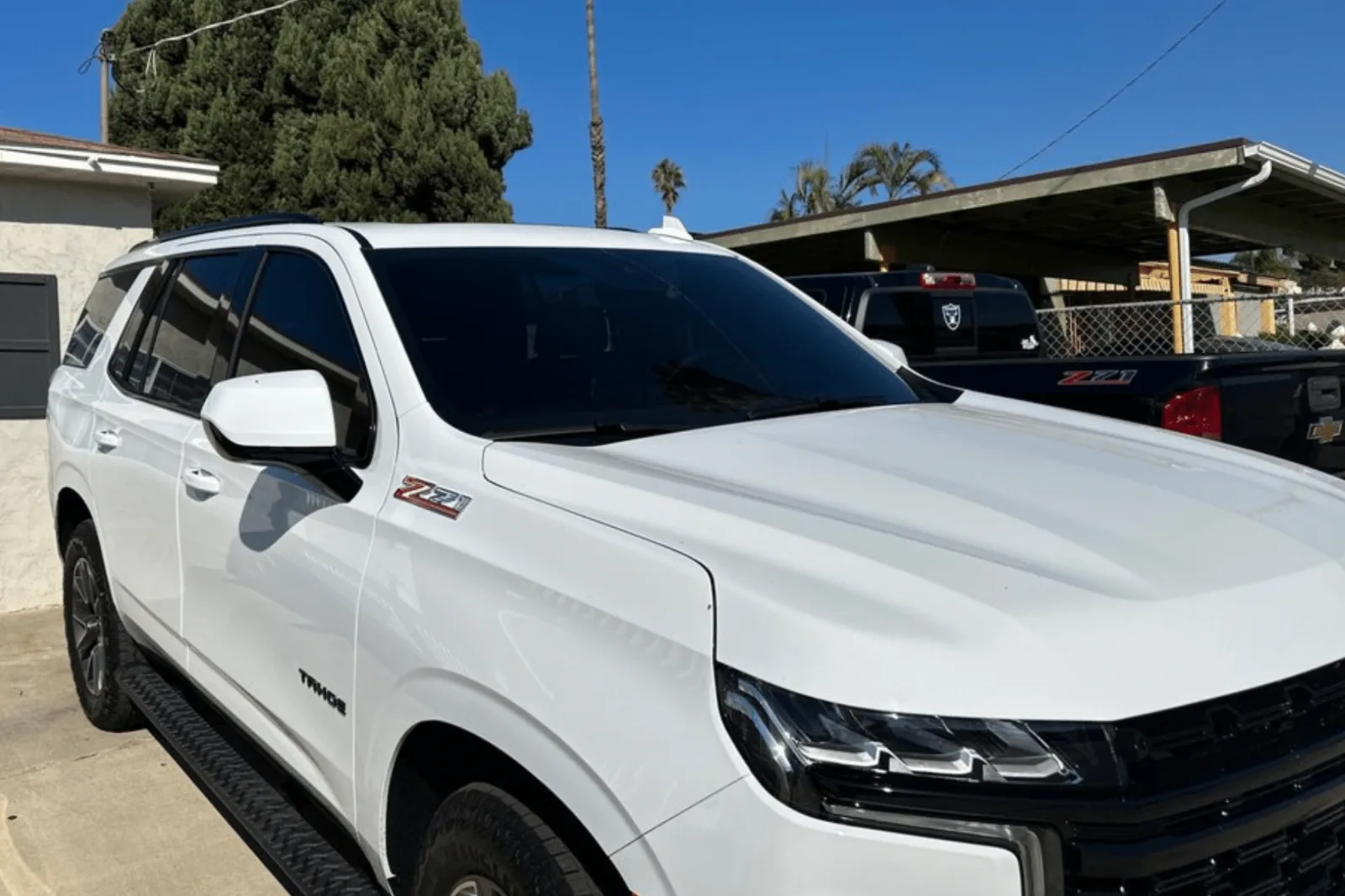
Coastal sunlight can change quickly between bright roads, shaded streets, and parking areas. Film should help manage daytime glare while allowing sufficient visibility in changing conditions. Drivers should also check California's window tint requirements before selecting a shade because legal limits vary by window position and vehicle type.
How Do Existing Glass Scratches Affect Window Tinting?
Scratches and wiper marks can scatter sunlight, creating haze, streaks, or distracting reflections at certain angles. Tint does not remove these imperfections, and changes in light transmission may make some marks more noticeable. Inspecting the glass before installation helps identify defects that could affect optical clarity. For more detail, read How Does Window Tinting Behave on Glass With Existing Scratches or Wiper Marks.
A Local Perspective on Window Tinting
Kingdom Tint helps drivers explore vehicle window film options suited to their visibility needs. Discussing glare concerns, driving habits, and legal requirements before installation can help owners choose an appropriate film.
The Takeaway
Window tinting can reduce glare and improve comfort, but visibility depends on film darkness, optical clarity, sunlight angle, and driving conditions. A balanced choice supports daytime comfort without compromising clear views at night or when checking surrounding traffic.
For drivers considering window tinting in Coronado, visit Kingdom Tint to explore options for managing sunlight while keeping visibility a priority.
Featured
Contact Kingdom Tint, PPF and Coatings
Thanks, your message was sent to Kingdom Tint, PPF and Coatings.