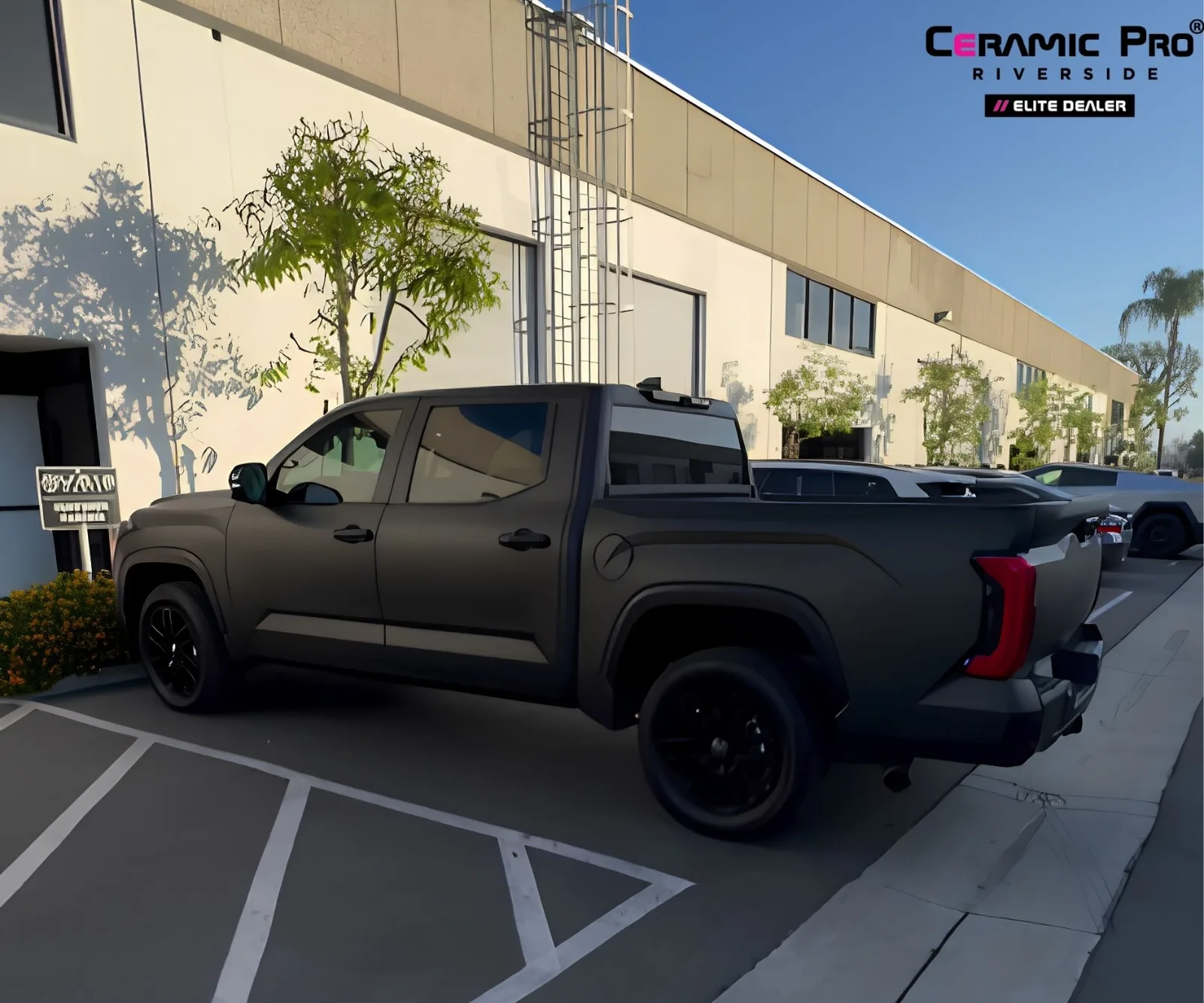
Paint protection film (PPF) takes the first hit from road debris, but it does not stay flawless forever over time. Persistent discoloration, peeling edges, deep damage, or widespread cracking can mean replacement is more practical than spot repairs. Recognizing these changes helps drivers protect the paint underneath before deteriorated film becomes difficult to remove.
Signs Your Film May Be Worn Out
Yellowing, Cloudiness, or Staining
A noticeable color shift is a clear warning sign. Older film may turn yellow, look hazy, or develop stains that remain after washing. Sun exposure and environmental contaminants can contribute. If the appearance does not improve with appropriate cleaning, have the material assessed instead of using aggressive chemicals or abrasive polishing.
Peeling Edges and Lifting Seams
Inspect the hood, bumper, mirrors, and door edges. Edges that keep lifting collect dirt and moisture, while loose sections may catch wind or worsen during washing. A small separation may be repairable, but repeated lifting across several panels can indicate unreliable adhesion.
Cracks, Brittleness, and Surface Failure
Paint protection film should remain flexible. Fine cracking, brittleness, bubbling, or widespread surface deterioration suggests the material is breaking down. Deep cuts and tears matter too: punctured film may no longer provide consistent coverage. Do not pick at damaged sections; have removal assessed by an experienced installer.
Damage That Keeps Returning
Some films have self-healing topcoats that reduce light scratches when exposed to suitable warmth. This feature does not repair deep gouges, torn film, or damage through the protective layer. If marks remain after following care guidance, ask whether panel replacement is warranted.
Repair One Panel or Replace More?
The decision depends on damage, film condition, and coverage. An isolated tear on a healthy panel may call for replacing that section. If several areas are yellowed, cracked, lifting, or visibly mismatched, replacing more of the installation may create a more consistent finish. An inspection can reveal whether the underlying paint needs attention before new film is applied.
Chino Driving Conditions Deserve Attention
Drivers around Chino encounter freeway travel, construction zones, and traffic that can send grit and small stones toward front-end panels. Heat and strong sunlight add exposure. Regularly wash away grime, use paint-safe products, and inspect high-impact areas after trips. Avoid directing high-pressure water at film edges.
For seasonal context, read “Is Paint Protection Film Effective Against Damage From Road Salt And Winter Debris”. It explains how abrasive winter materials affect a vehicle’s finish and why film condition matters when roads are treated.
Get the Film Assessed Before It Fails
Ceramic Pro Riverside is a local point of contact for Chino drivers evaluating existing protection and deciding what should happen next. Compare the affected area in good light, note when symptoms appeared, and ask whether repair, partial replacement, or a full update makes sense.
The takeaway: replace film when deterioration is widespread, persistent, or compromises coverage. A timely assessment can help preserve the paint and keep the vehicle looking cared for.
Featured

Vaia Design - Ceramic Coating, Paint Protection Film (PPF), and Window Tinting
Riverside, CA
4.9 74 on Google
Riverside, CA
Contact Vaia Design - Ceramic Coating, Paint Protection Film (PPF), and Window Tinting
Thanks, your message was sent to Vaia Design - Ceramic Coating, Paint Protection Film (PPF), and Window Tinting.