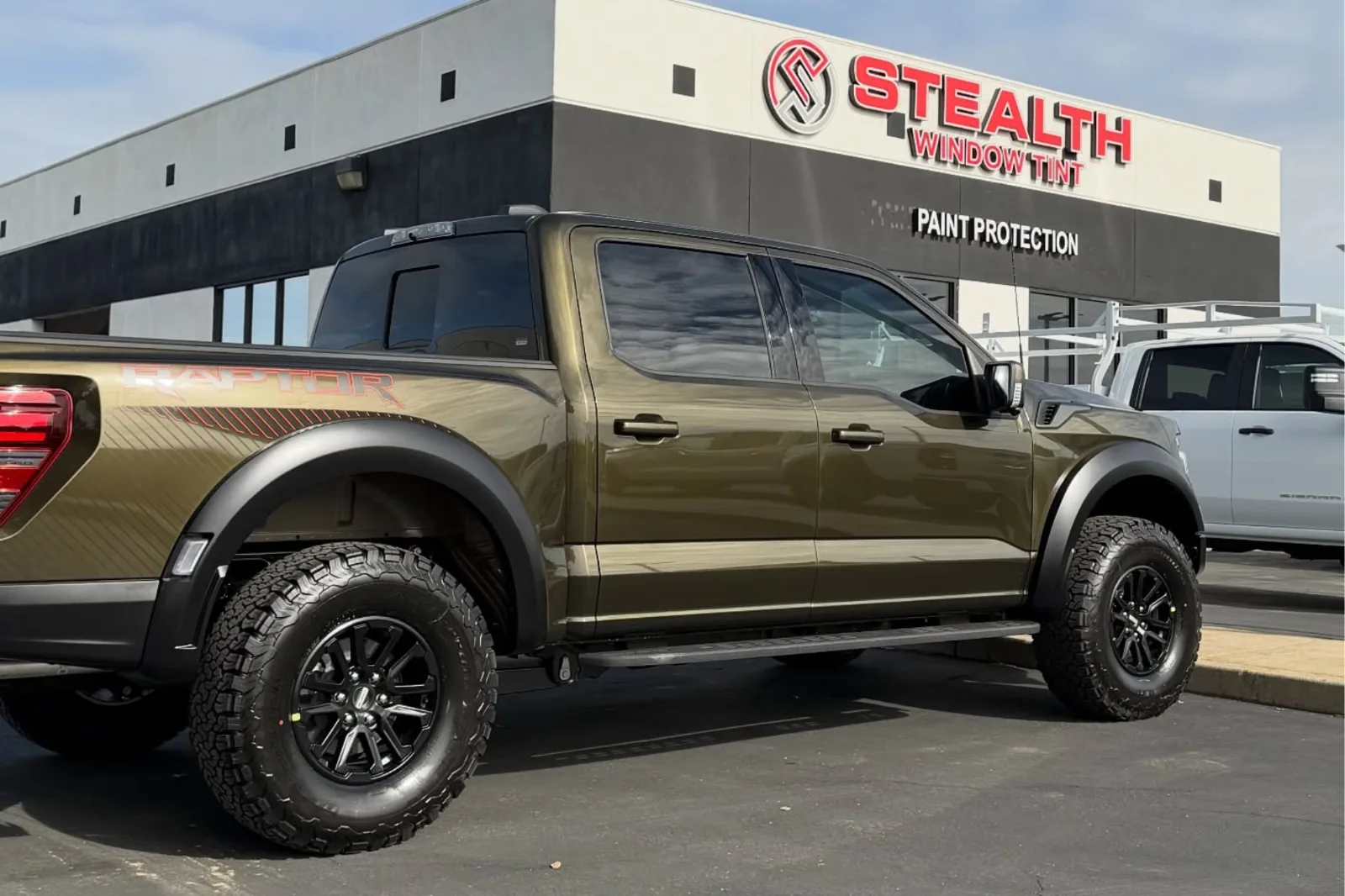
Ceramic coating after body repairs requires checking the refinished paint, confirming its curing requirements, and comparing repaired panels with the original finish. Repainting or panel replacement can change the preparation needed before coating, even when the vehicle appears fully restored.
Start With the Repaired Paint, Not the Coating
Factory paint and refinished panels may differ in clear coat thickness, texture, and polishing response. A replacement door can look identical to its neighboring fender but need different preparation. Evaluate each repaired area rather than assuming the entire vehicle is coating-ready.
Check Paint Condition and Curing Time
Before applying ceramic coating, consider several details:
Curing instructions: Ask the body shop when refinishing was completed and follow the paint manufacturer's guidance on coating compatibility and waiting periods.
Surface defects: Look for sanding marks, overspray, dust inclusions, and uneven texture.
Clear coat condition: Identify peeling, cloudy patches, or other signs requiring body shop attention.
Panel consistency: Compare gloss, color, and texture under similar lighting.
A surface that feels dry is not necessarily ready for every protective product. Resolve paint concerns before application.
Why Chico Driving Conditions Make Inspection Important
Daily travel along East Avenue, Mangrove Avenue, and Highway 99 exposes vehicles to dust, road debris, summer sunlight, and seasonal rain. These conditions make careful finish inspection worthwhile, particularly after collision repairs.
A repaired panel may blend into surrounding paint indoors but reveal gloss or texture differences in direct sunlight. Inspecting under multiple lighting conditions can uncover issues before they become harder to address.
How Does Body Cladding Affect Ceramic Coating Application?
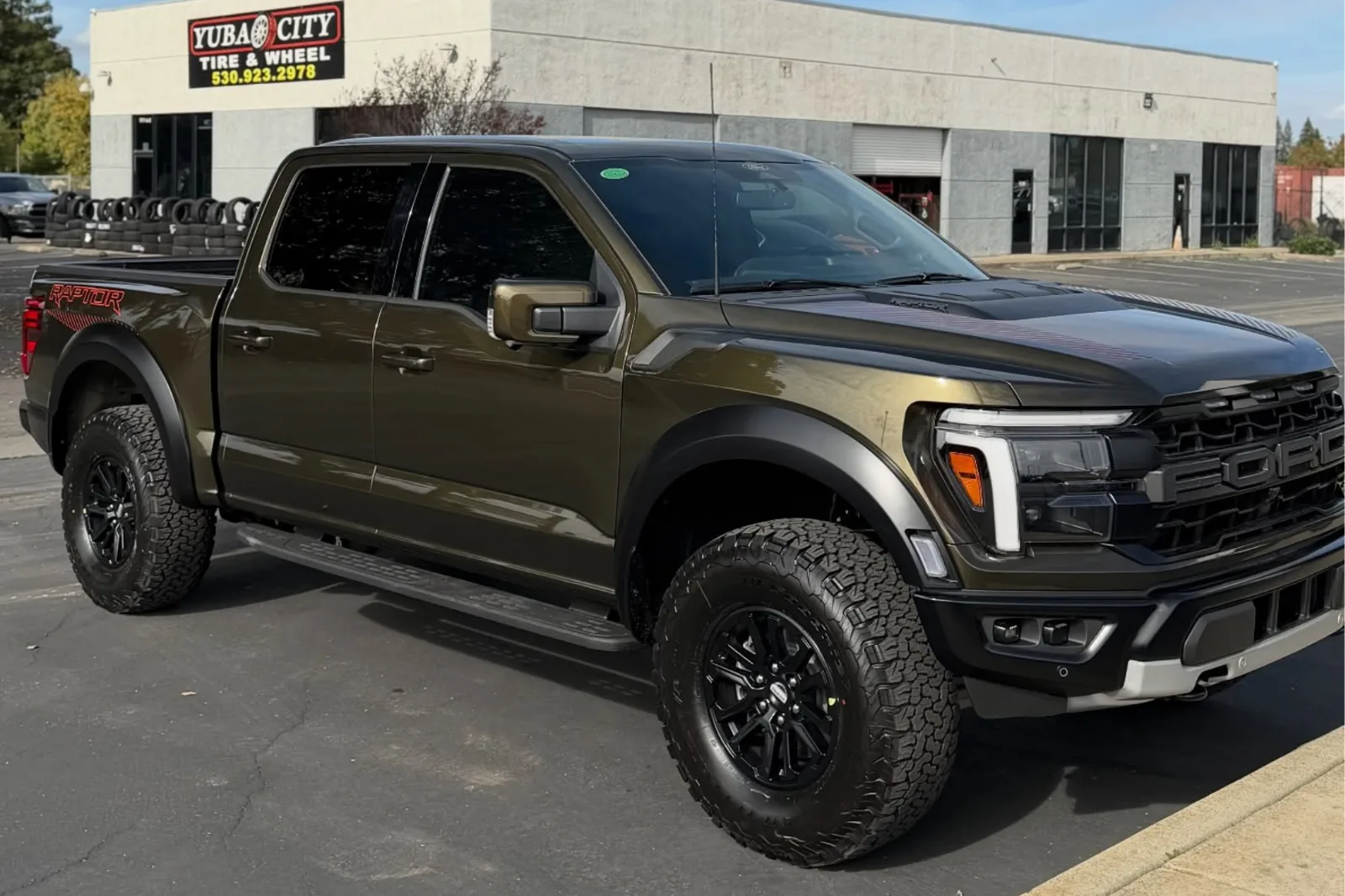
Vehicles with extensive body cladding require additional attention because plastic trim, textured lower panels, and protective exterior pieces have different surface characteristics from painted metal. After body repairs, these areas may also have replacement parts, refinished edges, or detailing residue that needs to be identified before coating. Understanding which surfaces are painted, textured, or unpainted helps determine the appropriate preparation method and prevents products intended for paint from being applied indiscriminately. Learn more in What Makes Ceramic Coating Application Challenging on Vehicles With Extensive Body Cladding.
How Should Owners Prepare for Ceramic Coating?
Coordinate With the Body Shop
Ask which paint products were used, when the repair was completed, and what curing instructions apply. Also, find out whether the repaired area has already been polished or treated with waxes and sealants. These products may need to be removed during proper surface preparation.
Avoid rushing into coating simply because the vehicle has been returned. If the paint is not ready, waiting is generally more appropriate than risking application problems.
A More Informed Protection Decision
Stealth Window Tint and Paint Protection in Chico, CA, provides a local resource for drivers considering exterior vehicle protection after collision repairs. Understanding the vehicle's repair history and current paint condition helps guide decisions about preparation and coating timing.
The takeaway
Ceramic coating should follow a careful evaluation of repaired paint, not an automatic appointment after bodywork. Confirming paint readiness and surface condition helps support a more consistent application.
Featured

Stealth Window Tint - Ceramic Coating, PPF, Vinyl Wrap, Automotive Detail
Yuba City, CA
4.9 491 on Google
Yuba City, CA
Contact Stealth Window Tint - Ceramic Coating, PPF, Vinyl Wrap, Automotive Detail
Thanks, your message was sent to Stealth Window Tint - Ceramic Coating, PPF, Vinyl Wrap, Automotive Detail.