
Fencing your property can do a lot for your home. Fences can create privacy, define your outdoor spaces, keep pets and children safer in the yard, and add structure to the overall landscape. In some cases, it can also increase the value of your home and make a property feel more complete.
However, before the first post goes in the ground, there are several important things to think through. Spending more time in the planning stage can help the finished fence work well for your home and your everyday routine.
Start With the Fence’s Main Purpose
Different types of fences serve different needs. Some homeowners want more privacy from nearby homes or busy streets, while others need a secure area for pets, a safer place for kids to play, or a clear boundary between properties.
The main purpose of the fence should guide many of the decisions that follow. A privacy fence likely needs to be taller and more solid. A decorative fence can focus more on style and curb appeal. A fence for pets will need to have secure gates, be a proper height, and limit gaps.
Check Property Lines Before Installation
Always confirm property lines before installing a fence. Guessing based on old landscaping, worn paths, or where a previous fence stood can lead to problems with neighbors or future property transactions. It is much easier to sort this out before installation.
Homeowners may need to review a survey, check property documents, or contact a professional if the boundaries are unclear. In some cases, a land survey may be the safest option. It’s also smart to check whether a homeowners association, local code, or permitting office has rules about fence height, materials, placement, or visibility near sidewalks and driveways.
Talk to Your Neighbors
A fence may be on your property, but it can still affect the people nearby. Talking with your neighbors beforehand isn’t required, but a simple conversation can help avoid surprises—especially when the fence will run along a shared boundary. It gives your neighbors a chance to understand the plan, ask questions, and prepare for temporary noise or access needs during installation. It can also be helpful if an old fence needs to be removed or if landscaping near the property line could be affected.
Having good communication doesn’t mean everyone gets a vote in your project, but it can make the process smoother and reduce the risk of neighborly resentment.
Compare Common Fence Materials
Fence materials vary in appearance, cost, durability, and maintenance.
Wood Fences
Wood fences offer a classic look and can be built in many styles. They can provide excellent privacy, but they do require upkeep. Staining, sealing, and occasional board replacement may be part of the long-term care.
Vinyl Fences
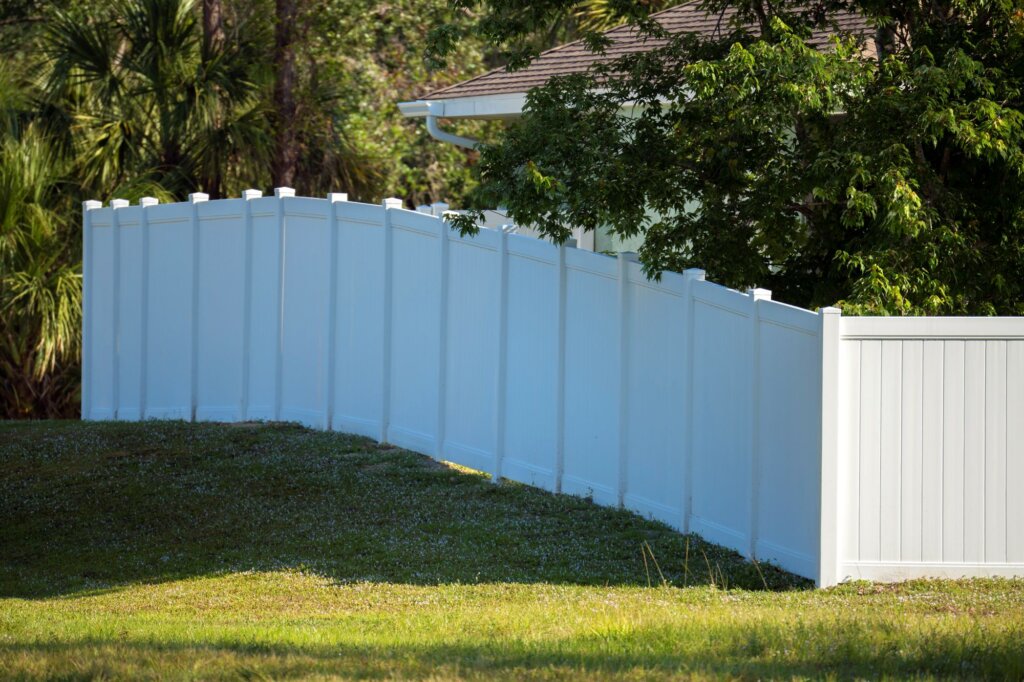
Vinyl fences are popular for homeowners who want a clean look with less maintenance. They do not need painting or staining, though they can be more limited in certain design styles.
Aluminum Fencing
Aluminum fencing is often used for decorative boundaries, pool areas, and yards where visibility is important. It doesn’t provide much privacy, but it can add a polished look and typically requires less upkeep than wood.
Chain-link Fencing
Chain-link fencing is practical and budget-friendly. It works well for pets, large yards, and utility areas, though it may not offer the same appearance appeal or privacy as other options.
Composite Fencing
Composite fencing can provide the look of wood with less maintenance, depending on the product. It may cost more upfront, but some homeowners appreciate the durability and reduced upkeep.
A fence contractor can help compare which material fits your property, budget, and maintenance preferences.
Choose the Height and Style
Fence height affects privacy, safety, and appearance. A tall privacy fence may be helpful in a backyard, but it could feel too heavy in a front yard. A shorter fence can add charm and definition without blocking your view. The style of your fence is also important; horizontal boards can feel more modern, while vertical pickets tend to look more traditional. Solid panels create privacy, while spaced pickets or metal fencing keep the yard more open.
The “right” choice depends on the home’s exterior, landscaping, and how much privacy you want. A fence should feel like it belongs with the property rather than looking like an afterthought.
Plan Gates Carefully
A poorly placed gate can make everyday tasks harder. If you’re adding a gate to your fence, make sure it’s a primary part of your planning.
Think about how people move through the space. Do you need access from the driveway to the backyard? Will lawn equipment, trash bins, bikes, or wheelbarrows need to pass through? Would a wider gate make maintenance easier?
Make sure you also consider gate hardware. Latches, hinges, locks, and self-closing features should match the purpose of the fence. For pets and children, secure latches are especially important. For pool areas, gate requirements may be stricter and should be reviewed before installation.
Consider Drainage and Landscaping
Fences interact with the land around them, which means sloped yards, drainage patterns, tree roots, retaining walls, and existing landscaping can all affect installation. A fence placed in an area with poor drainage can face extra wear over time, especially if the posts are wood. Tree roots can make digging difficult or limit where posts can be placed. Shrubs and garden beds may need trimming or temporary removal to give installers enough room to work.
If you are planning larger landscape updates, it can be helpful to coordinate the fence with those projects. A landscape contractor and fence contractor can sometimes work together to make sure the layout, planting beds, pathways, and outdoor living areas all make sense.
Prepare the Yard for Installation
Before installation begins, the yard should be ready for the crew. Move outdoor furniture, toys, planters, garden tools, and other items away from the fence line. Keep pets indoors or in a secure area. Mark sprinkler heads, underground irrigation lines, low-voltage lighting, or other features that could be in the work area.
You should also locate utility lines should also be located before digging. Fence posts require deep holes, and unmarked underground utilities can create serious safety concerns. Professional contractors are familiar with this step and can help homeowners understand what needs to happen before work starts.
Build It With the Long Term in Mind
A fence is a practical home improvement, but it also becomes part of how you use your yard every day. The right fence can make the space feel safer, more private, and more comfortable.
Before adding a fence, take time to think about the purpose, property lines, materials, gates, landscaping, and maintenance. A trusted local fence contractor can help you sort through those choices and install a fence that fits both your home and your routine.
This community resource is made possible through the generous support of local WhirLocal sponsors.