Trees add beauty, shade, and value to a home, but during storms, they can also pose serious risks. High winds, heavy rain, ice, and saturated soil all increase the chances of broken limbs or fallen trees. In many cases, storm damage can be prevented with regular maintenance and early attention to warning signs.
Proactive tree care helps homeowners protect their property, prevent injury, and reduce the likelihood of costly repairs after severe weather.
Start With Regular Visual Inspections
Homeowners don’t need special training to notice when something looks off with a tree. Walk your property occasionally and look for dead or hanging branches, cracks in trunks, peeling bark, or branches rubbing against structures. These visible signs can indicate weakened areas that are more likely to fail during storms.
Changes over time are also notable. A tree that suddenly leans or drops large branches could be responding to root or soil issues beneath the surface.
Pruning Improves Strength and Stability
Pruning isn’t just about appearance. Removing dead, damaged, or overcrowded branches reduces the weight a tree has to support and improves airflow through the canopy. When wind can pass through a tree more easily, there is less strain on limbs and the trunk. Proper pruning also encourages healthy growth patterns, helping trees develop stronger branch structures that are better equipped to handle storms.
Pay Attention to Root Health
Roots anchor a tree and play a critical role in its stability. Soil erosion, standing water, construction activity, or compacted soil near the base of a tree can weaken its root system. Poor drainage is especially concerning, as saturated soil reduces the tree’s ability to stay firmly grounded during high winds. Signs of root problems may include exposed roots, soil lifting around the base, or a tree that feels unstable.
Watch for Trees Growing Too Close to Structures
Branches hanging over roofs, driveways, fences, or power lines increase the risk of damage during storms. Even healthy branches can break under strong wind or heavy rain. Strategic trimming can reduce the chance of limbs falling where they might cause harm.
Keeping trees properly spaced from structures also prevents long-term issues such as roof wear, gutter damage, and siding abrasion.
Older, Diseased, or Damaged Trees Need Extra Care
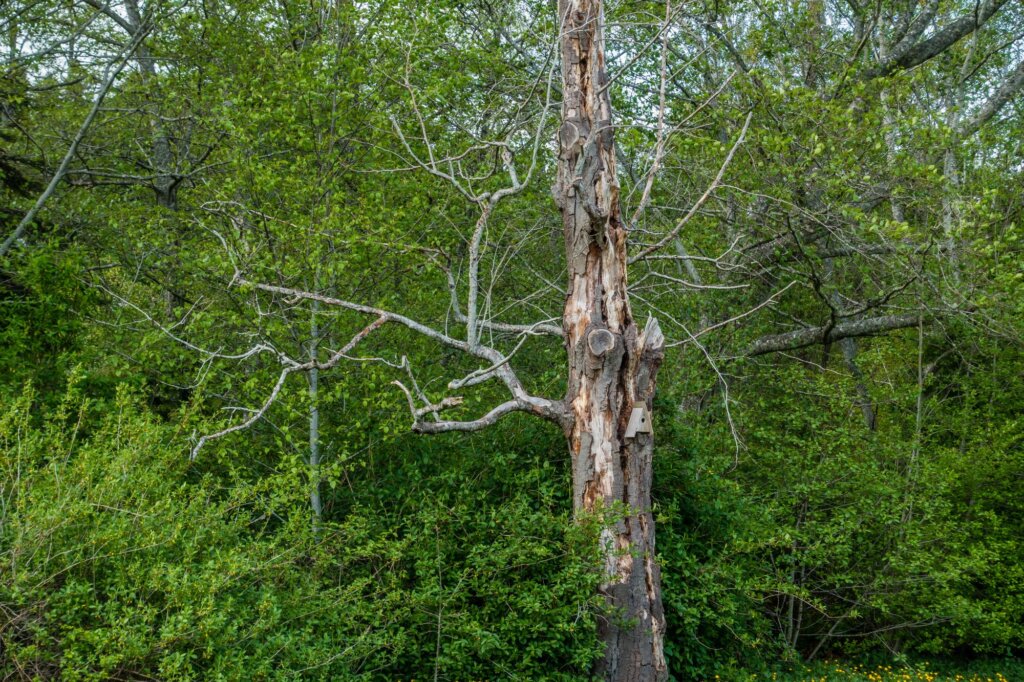
Age, disease, and pest infestations can weaken trees from the inside out. Hollow trunks, fungal growth, dead tops, or large sections of missing bark are all signs that a tree may be compromised. These trees are far more likely to fail during storms and should be evaluated by a tree care professional.
When to Call a Professional
Certified tree professionals can identify structural weaknesses that aren’t obvious from the ground. They assess overall tree health, recommend pruning plans, and determine when removal is the safest option. Professional evaluations are especially important for large trees or those near homes, sidewalks, and utility lines.
Tree damage often starts long before severe weather hits. With regular inspections, proper pruning, and professional support when needed, homeowners can reduce risks while preserving the beauty and benefits trees bring to their property.