An ingrown toenail might seem like a small problem in the grand scheme of your body, but anyone who’s had one knows how painful it can be. What starts as a little tenderness around the edge of your nail can quickly escalate into redness, swelling, or even infection.
Here’s what you should know about what causes ingrown toenails and how to care for them at home before they turn into something more serious.
What Is an Ingrown Toenail?
An ingrown toenail can happen when your toenail’s edge grows into the skin surrounding it. This most commonly affects the big toe but can happen on any toe. It often leads to pain, redness, and inflammation. In more advanced cases, the area may become infected, producing pus or causing the skin to swell dramatically.
Left untreated, an ingrown nail can make walking uncomfortable and open the door to more serious complications, especially for individuals with diabetes or compromised immune systems.
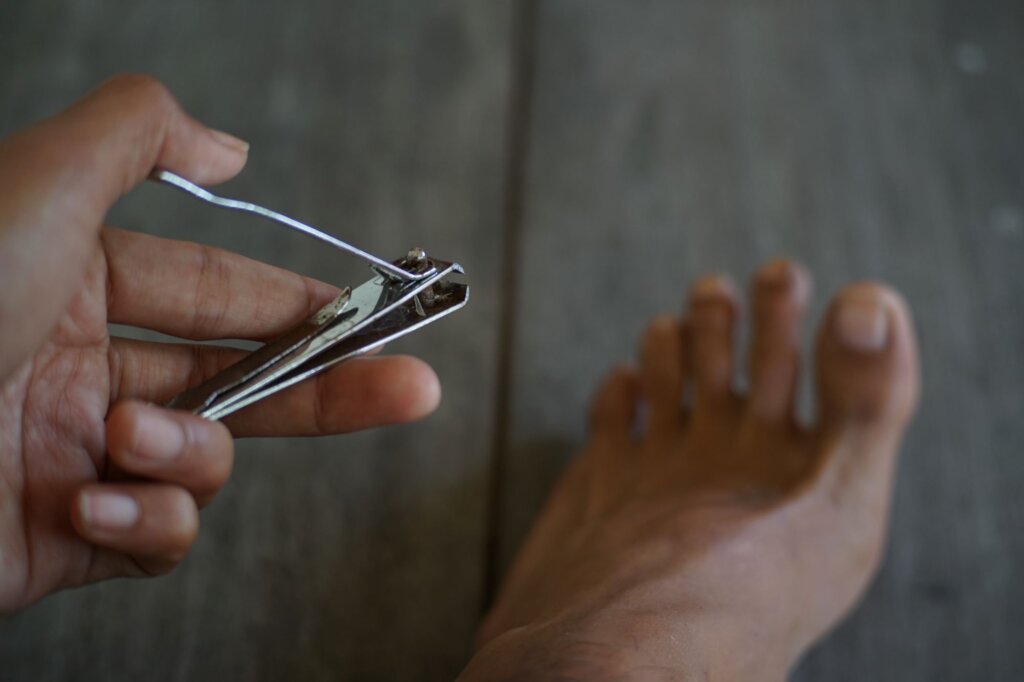
Common Causes
Ingrown toenails can be caused by a variety of everyday habits or conditions, including:
- Trimming toenails too short or rounded
- Tight or narrow shoes that press on the toes
- Toe injuries like stubbing or repeated pressure from sports
- Naturally curved nails
- Poor foot hygiene
Even genetics can play a role. Some people are simply more prone to developing ingrown nails due to the shape of their nail beds.
At-Home Care Tips
If your ingrown toenail is still in the early stages (mild pain, no signs of infection), try these care techniques at home:
- Soak your foot. Warm, soapy water (15–20 minutes, a few times a day) can soften the skin and reduce swelling.
- Lift the nail gently after soaking. Placing a small piece of dental floss under the nail’s edge and lifting slightly can encourage it to grow above the skin.
- Apply an antibiotic ointment. This helps prevent infection.
- Wear open-toed or soft shoes. Avoid pressure on the area until it heals.
- Keep your feet clean and dry.
Avoid cutting the nail further unless directed by a healthcare provider. Doing this can potentially make things worse and increase the chance of infection.
When to See a Professional
If your toenail is oozing, very swollen, or not improving after a few days, it’s time to contact a foot care professional. This is especially important for those with circulation issues or diabetes, as infections can become serious more quickly.
Treatment may involve removing part of the nail, prescribing antibiotics, or providing custom care advice to prevent future issues. A podiatrist can also help determine if recurring ingrown nails might need a more permanent solution.
Healthy Feet Start with Healthy Habits
Caring for your feet doesn’t have to be complicated, but it does take attention. By trimming your nails properly, choosing the right shoes, and addressing discomfort early, you can keep your feet pain-free and strong.
This article is for informational purposes only and is not professional medical advice. For more information, schedule an appointment with your primary care provider.