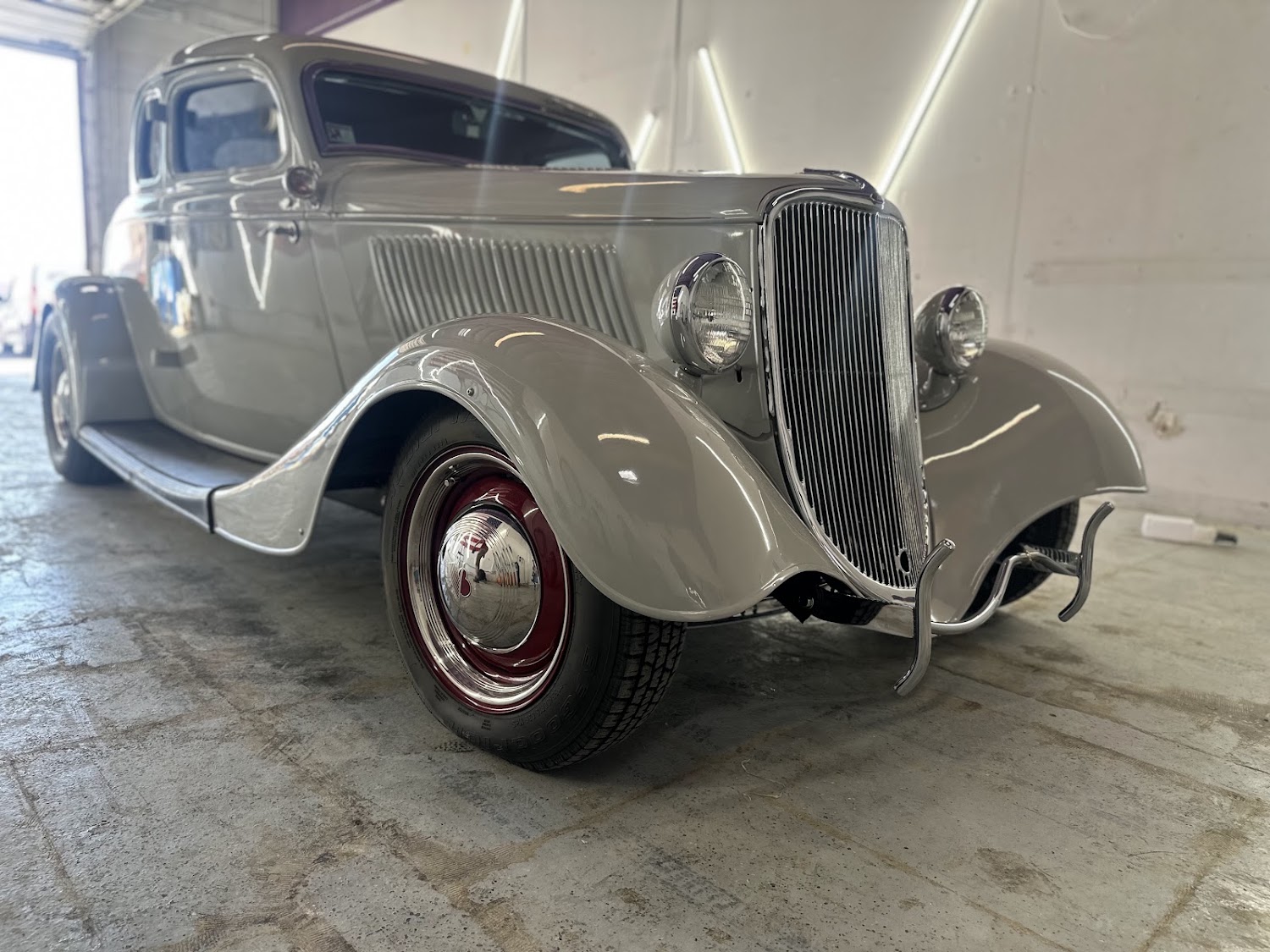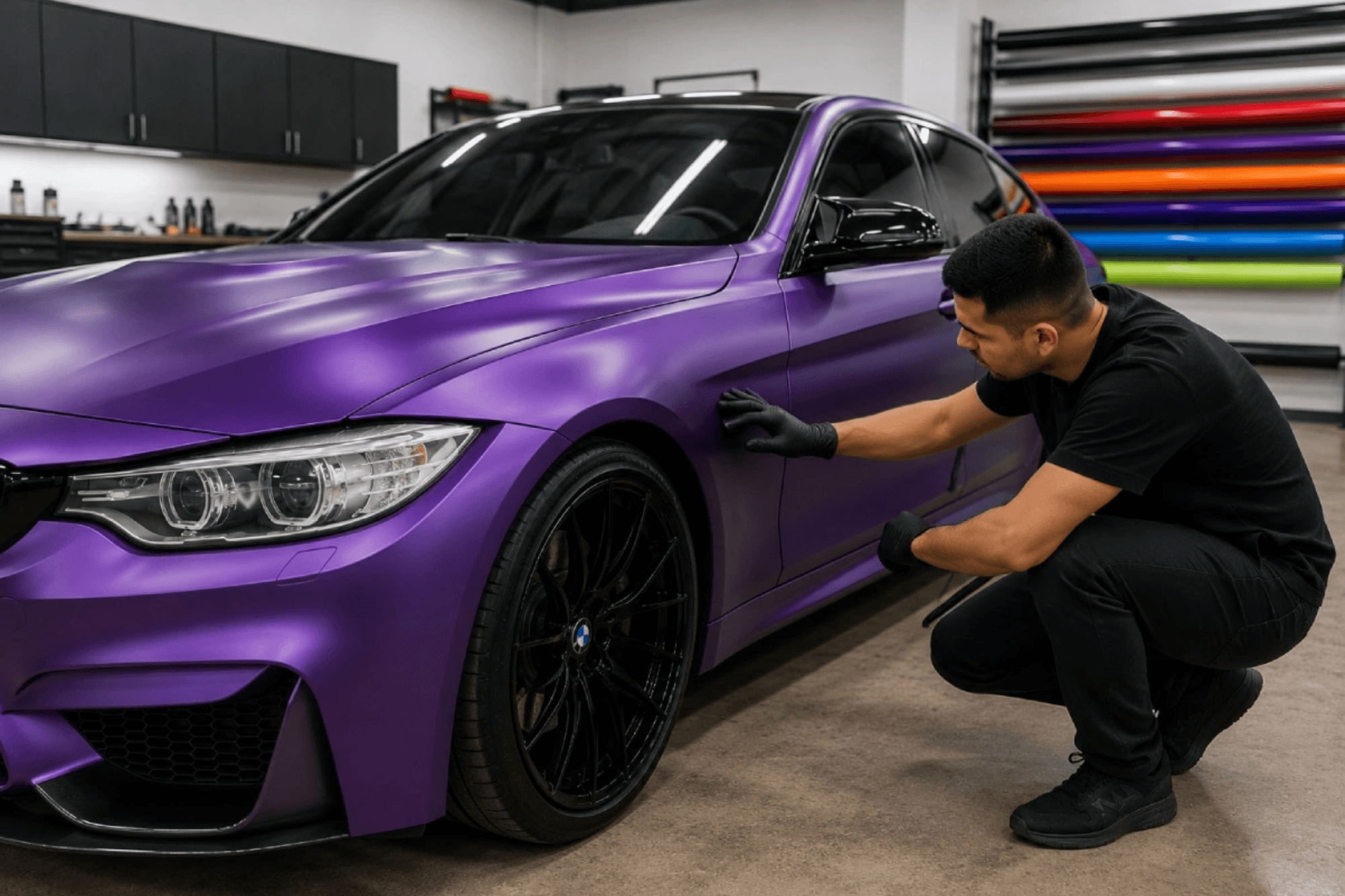
Vinyl wraps can provide a sacrificial layer between a vehicle’s painted surface and many everyday contaminants encountered on the road. While a wrap is not designed to stop every form of damage, its flexible surface can help reduce direct exposure to light debris, road grime, and environmental residue that can otherwise accumulate on automotive paint.
For drivers in Albuquerque and Rio Rancho, that added layer can be useful. Dry conditions, airborne dust, construction activity, and frequent highway driving can expose vehicles to fine particles and road residue throughout the year.
What Road Contaminants Can Affect Vehicle Surfaces?
Everyday driving exposes exterior panels to more than visible dirt. Fine dust, sand-like particles, road film, insect residue, bird droppings, and other contaminants can settle on painted surfaces. When these materials remain on the vehicle, washing or wiping them away incorrectly can create additional surface abrasion.
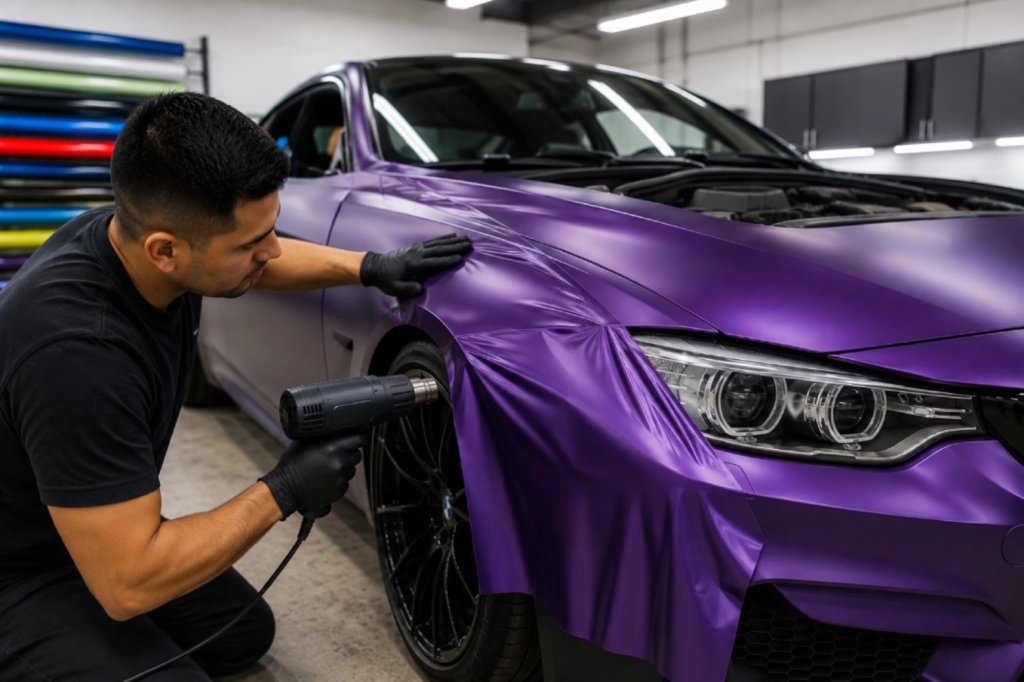
A vinyl wrap creates a physical barrier over the original finish. Instead of some contaminants making direct contact with the paint, they interact first with the wrap's outer surface.
How Does Vinyl Handle Minor Surface Exposure?
Automotive vinyl is designed to remain flexible while conforming to vehicle panels. This allows it to cover painted areas without functioning like a rigid protective plate.
Its primary benefit against minor road contaminants is surface separation. Dust and grime can still collect on the wrap, but the underlying paint has an additional layer between it and the environment. Proper washing also becomes important because aggressive scrubbing or contaminated wash tools can damage either a wrap or exposed paint.
Why Does Albuquerque Driving Make Surface Protection Useful?
Albuquerque and Rio Rancho drivers regularly encounter dry, dusty conditions and roads with varying levels of traffic and construction activity. Fine particles can settle quickly on horizontal surfaces, while highway speeds can increase the amount of airborne debris contacting the front end, mirrors, and lower body panels.
A vinyl wrap does not make these areas immune to damage, but it can help manage routine environmental exposure. Promptly removing bird droppings, insects, and other contaminants is still important because some substances can stain or degrade exterior surfaces if left unattended.
A Local Approach to Vinyl Wrap Care
On The Spot Automotive Detailing provides vehicle care services for drivers in the Albuquerque and Rio Rancho area. Understanding how a vinyl wrap interacts with everyday road contaminants can help owners make more informed decisions about protecting and maintaining their vehicle's appearance.
The Takeaway
Vinyl wrap works as a protective separation layer, helping shield painted surfaces from routine contact with dust, road grime, and other minor contaminants. Regular, gentle washing remains essential for preserving both the wrap and the finish underneath.
For local drivers considering exterior protection, On The Spot Automotive Detailing can provide a practical starting point for discussing vehicle surface care.