Bringing home a rescue dog is often filled with hope, excitement, and a lot of emotion for everyone involved. Many adopters picture tail wags, happy bonding moments, and a quick transition into family life.
Sometimes that happens right away! Other times, a newly adopted dog might seem quiet, distant, hesitant, or emotionally flat during the first few weeks at home.
This can feel confusing, especially when you are trying to be patient and kind. But in many cases, this behavior is part of the decompression and adjustment process. For some rescue dogs, shutting down temporarily is how they cope with stress, change, and uncertainty.
What This Adjustment Behavior Can Look Like
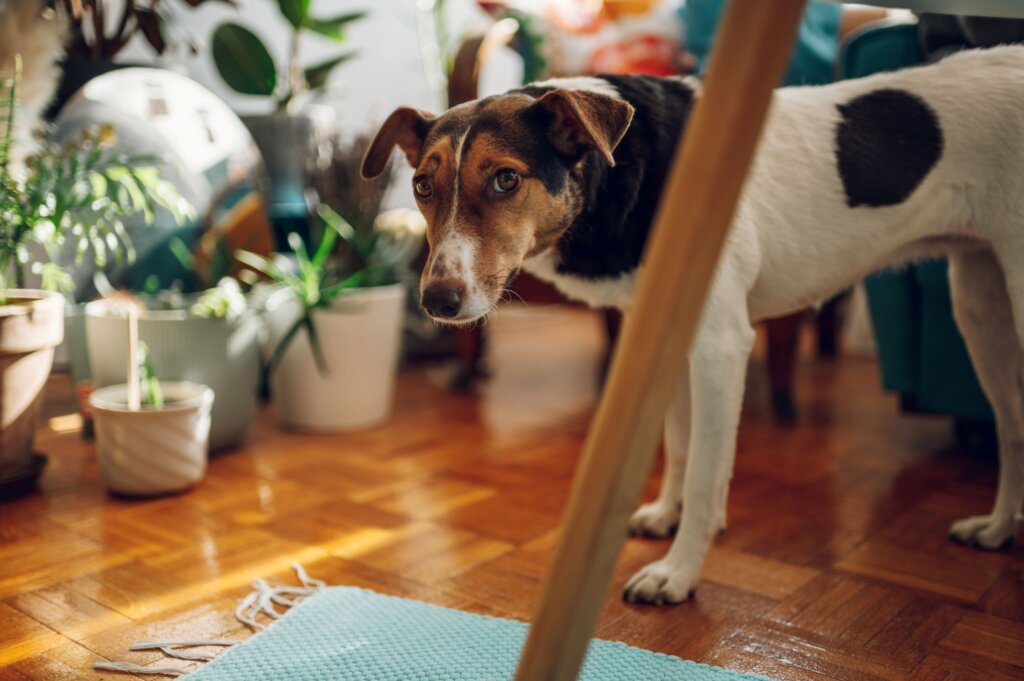
A dog that is adjusting may seem unusually quiet or withdrawn. They might avoid eye contact, sleep a lot, stay in one spot for long stretches, or show little interest in toys, play, or affection. Some dogs might appear cautious around people, while others may seem frozen or unsure of what to do next.
This can also look very different from dog to dog. One dog may hide in a corner. Another may calmly lie down and barely react to anything around them. Some dogs are not fearful in an obvious way. They simply seem emotionally distant while they take in a brand-new environment.
Why It Happens
Even a positive change can feel overwhelming to a rescue dog. A new home means new sounds, new smells, new routines, and new people. For a dog that has already been through stress, loss, repeated transitions, or an unstable environment, that is a lot to process all at once.
Some dogs need time to understand that they are safe. They don’t know yet what is expected of them. They also don’t know whether their new routine will stay consistent. In that early stage, many dogs respond by becoming very quiet and cautious.
The First Few Weeks Are Often About Decompression
Animal shelters often talk about decompression with rescue dogs, and for good reason. The first few weeks are not always about training, socializing, or introducing every new experience right away. Instead, they are about helping the dog settle in and learn that life has become more predictable.
This means that you can keep your expectations and interactions gentle. A dog that seems shut down initially may just need structure, calm, and space before excitement.
What Helps a Dog Feel Safer
Predictability and routine can make a huge difference in a rescue dog’s life. Feeding at the same times each day, keeping walks predictable, and giving the dog a quiet place to rest can help build a sense of stability. Calm voices, patient body language, and low-pressure interactions also go a long way.
It can also help to let the dog come to you instead of trying to coax them into activity. Some dogs need time before they are ready to seek affection or show curiosity. Notice the small signs of trust that they offer. A relaxed posture, following you from room to room, or taking a treat more comfortably are all part of steady progress.
What to Avoid Doing Too Soon
It’s natural to want to help a new dog feel loved right away, but too much too soon can be overwhelming. Pushing interaction, inviting lots of visitors over, changing routines constantly, or expecting quick emotional connection can add stress instead of easing it.
This is also not the best time to judge the dog’s full personality. A decompressing dog is still adjusting. Their confidence, playfulness, and affection may show up later, once they feel secure enough for those parts of themselves to come through.
When to Ask for Help
Adjustment takes time, but asking for support can still be helpful. If the dog seems deeply fearful, stops eating, cannot settle at all, or shows signs of escalating distress, it could be worth checking in with the rescue or a qualified behavior professional. Getting guidance early can help you respond in a way that builds trust rather than confusion.
Give Them Some Time
A rescue dog that seems shut down is not necessarily unhappy in their new home. More often, they are still trying to understand it. Safety, trust, and comfort don’t always happen overnight, especially for a dog who has had a difficult or uncertain path. Patience, routine, and quiet consistency are all important factors here.
Sometimes the most meaningful progress is not dramatic, but instead the dog slowly realizing they can exhale.