A garage door is one of those home features you probably use more than you realize. It protects your vehicles and belongings, affects the look of your home, and plays a role in safety, security, and energy efficiency. When it starts making strange noises, sagging, sticking, or looking worn out, replacement may be worth considering.
Installing a new garage door is not just about picking a style you like. The right choice depends on your home, your budget, your climate, and how you use your garage day to day. A little planning before installation can help you choose a door that works well, looks good, and holds up over time.
Start With How You Use Your Garage
Before comparing materials or colors, think about what your garage is used for. Some homeowners only use the space for parking. Others use it as a workshop, home gym, storage area, laundry space, or secondary entryway.
If your garage is attached to your home or used often, insulation and noise control may matter more to you. If it faces the street, curb appeal could be a bigger priority. If you have children, pets, or frequent deliveries, safety and security features should be part of the conversation.
The best garage door is the one that fits your actual routine, not just the one that looks good in a catalog.
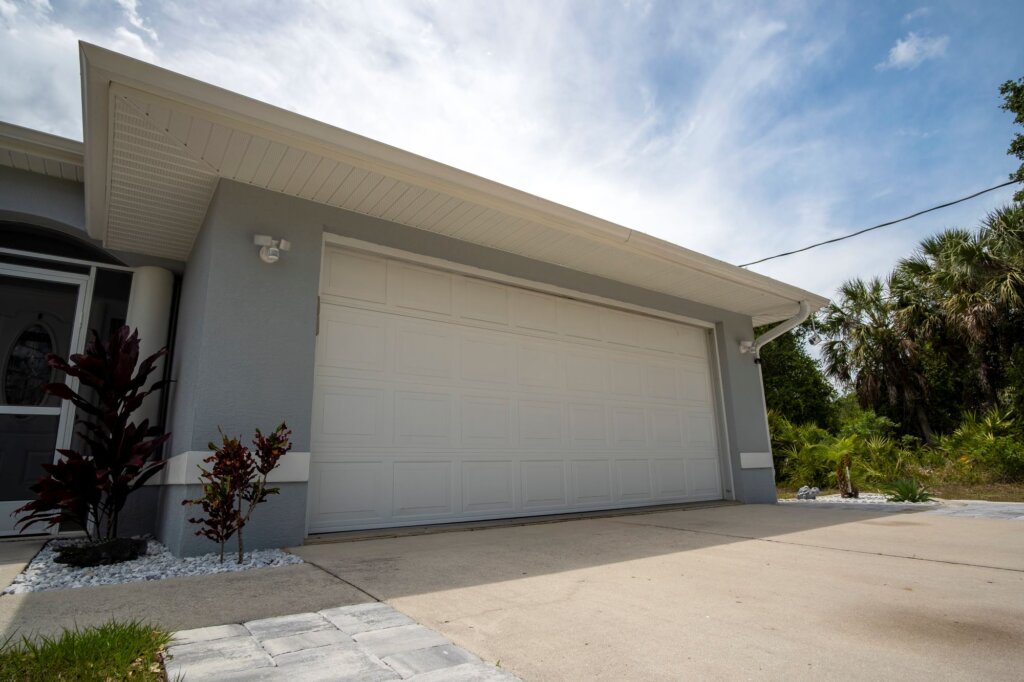
Choose the Right Material for Your Home
Garage doors come in several materials, and each one has its own strengths.
Steel
Steel is one of the most common choices because it is durable, widely available, and comes in many styles. It can also be insulated, which makes it a practical option for many homes.
Wood
Wood offers a warm, traditional look and can add a lot of character. It usually requires more maintenance than other materials, especially in areas with moisture, sun exposure, or changing seasons.
Aluminum
Aluminum and glass doors can work well for more modern homes. They offer a clean, contemporary appearance, though they may not provide the same level of privacy or insulation unless designed with those needs in mind.
Composite Materials
Composite materials can mimic the look of wood while requiring less maintenance. This can be a helpful middle ground for homeowners who want a classic look without as much upkeep.
A garage door professional in your area can help you compare how these materials perform in your area and what makes sense for your home’s needs.
Think About Insulation
Insulation is easy to overlook, but it can make a noticeable difference in your garage. An insulated garage door can help regulate temperature, reduce noise, and make the garage more comfortable.
This matters even more if your garage is attached to your home. Rooms above or beside the garage can feel colder or hotter when the garage is poorly insulated. If you use the garage for hobbies, exercise, or storage, insulation can also help protect items from extreme temperature swings.
Match the Style to Your Home’s Exterior
The right garage door can make your home’s exterior feel more polished and cohesive. Carriage-style doors often pair well with traditional homes. Clean, simple panels may fit better with modern or transitional designs. Windows can add natural light and visual interest, but their placement is important for privacy.
Color is another important decision. Some homeowners prefer the garage door to blend in with the siding or trim. Others use it as an accent. Either approach can work, as long as the door feels connected to the rest of the home.
If you’re unsure, look at your front door, roof, siding, shutters, and trim together. A garage door should support the overall look rather than compete with it.
Don’t Skip Safety Features
Modern garage doors include safety features that older doors may not have. These features are especially important for families with children, pets, or frequent foot traffic through the garage.
Sensors help prevent the door from closing when something is in the way. Auto-reverse features are designed to stop and reverse the door if it meets resistance. Proper spring systems and professional installation also play an important role in safe operation. Garage doors are heavy, and the springs are under high tension. This is one area where DIY work can become risky quickly. Installation, spring replacement, and major repairs are usually best left to trained professionals.
Consider Smart Garage Door Options
Smart garage door openers can add convenience and peace of mind. Many systems allow homeowners to open, close, or check the garage door from a phone. Some can send alerts if the door is left open or opened unexpectedly.
This can be useful for busy families, frequent travelers, or anyone who has ever driven away wondering whether they remembered to close the garage. Smart features can also make deliveries, guest access, or service appointments easier to manage.
Before choosing a smart garage door, ask about compatibility, Wi-Fi strength in the garage, battery backup, and security settings. Convenience is helpful, but it should be paired with dependable operation.
Look at the Garage Door Opener Too
If you are replacing the door, it may also be a good time to evaluate the opener. An older opener might still function, but it could be noisier, slower, or missing newer safety and security features.
Belt-drive openers are often quieter, which can be helpful if there is a bedroom above or near the garage. Chain-drive openers are common and dependable, but they may make more noise. Wall-mounted openers can free up ceiling space, which may be helpful in garages with storage racks or taller vehicles.
A new door and an old opener may not always be the best match. Ask about both during the planning process to avoid issues later.
Prepare for Installation Day
A professional installation usually goes more smoothly when the garage is ready ahead of time. Clear any vehicles, tools, bikes, boxes, and storage bins away from the work area. Make sure the installers have access to electrical outlets and enough space to remove the old door and bring in the new one.
It is also wise to keep children and pets away from the garage during the installation. The process involves heavy panels, tracks, springs, tools, and moving parts.
Before the installer leaves, ask them to walk you through basic operation, safety features, maintenance tips, and warranty details. A few minutes of explanation can help you feel more comfortable with the new system.
Know What Maintenance Looks Like
A new garage door will still need basic care. Homeowners should keep tracks clear, listen for unusual sounds, watch for uneven movement, and check weatherstripping from time to time.
Some maintenance tasks are simple, like wiping dirt from sensors or keeping the area around the door clear. Other tasks, such as spring adjustments or major track repairs, should be handled by a professional.
Regular maintenance helps the door operate safely and can extend its lifespan. It also gives a trained technician the chance to catch small issues before they become larger repairs.
Key Takeaways
A new garage door can improve the look, comfort, security, and daily function of your home. The key is choosing one that fits your home’s style, your routine, and your long-term needs.
Before installation, take time to think through materials, insulation, safety features, opener options, and maintenance. A trusted local garage door professional can help you compare choices, answer questions, and make sure the installation is handled correctly from start to finish.