One of the first decisions new gardeners face is whether to plant seeds or purchase young vegetable starts. Both options can lead to a productive garden, but understanding the differences helps beginners choose the approach that fits their time, budget, and comfort level.
There isn’t one right answer. The best choice often depends on what you’re planting, timing, and how much experience you have.
The Case for Starting with Seeds
Seeds are affordable and offer an incredible variety. Gardeners can choose from dozens of tomato types, leafy greens, or specialty vegetables that may not be as widely available as young plants. Seeds also give gardeners the full growing experience from day one.
Some vegetables actually prefer to be planted directly in the soil. Root crops like carrots and radishes don’t transplant well because disturbing their roots can affect development. Beans and peas also tend to perform best when sown directly.
However, seeds require careful timing and consistent attention. Soil temperature, watering habits, and spacing all matter. Germination can take patience, and not every seed sprouts successfully.
The Advantages of Vegetable Starts
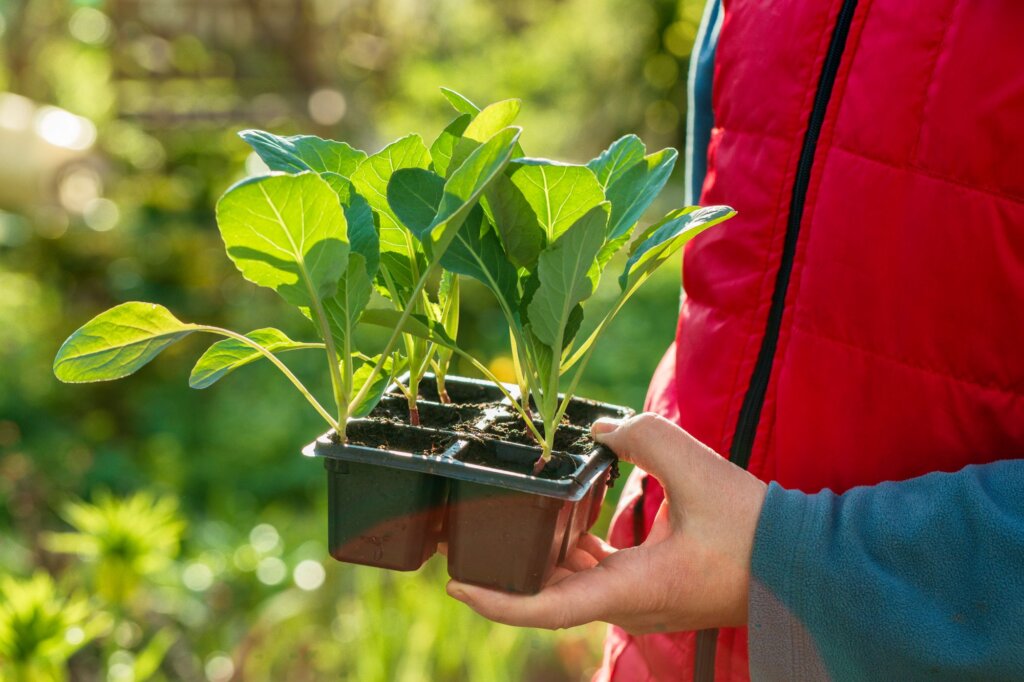
Vegetable starts are young plants that have already been guided through the most delicate growth stage. For beginners, this removes a lot of the guesswork. Starts allow gardeners to skip germination and move straight into planting and care.
Another major benefit of vegetable starts is time. Because starts are already several weeks old, harvests typically arrive sooner. That early success can build confidence and keep new gardeners motivated.
Starts can be helpful for crops with longer growing seasons, such as tomatoes, peppers, and eggplant. In many climates, these vegetables need a head start to produce fully before cooler weather returns.
Budget and Variety Considerations
Seeds are generally less expensive and can grow many plants from a single packet. Starts cost more per plant but may reduce the risk of early failure.
A balanced approach works well for many beginners. Use starts for longer-season vegetables and directly sow easy growers like lettuce, beans, and radishes. This approach combines both benefits of affordability and a higher likelihood of early success.
Get Local Guidance!
Growing conditions vary by region, and local knowledge can be a big difference-maker. Local garden centers, nurseries, and extension services can recommend which vegetables perform best in your area and whether seeds or starts are better suited for the season. Asking questions before planting can help beginners avoid common timing mistakes and choose varieties that match their climate and experience level.
Planning for Growth
Seeds and starts both have a place in a beginner’s vegetable garden. By understanding the strengths of each and choosing a balanced path forward, new gardeners can build confidence while setting themselves up for a productive season. With the right guidance and realistic expectations, either path can lead to fresh food grown right at home!