After a water event (like a minor leak, burst pipe, or full-blown flood) your window to prevent mold is surprisingly short. Mold can begin to grow in as little as 24 to 48 hours if moisture isn’t properly managed. Its presence can trigger health issues, damage your property, and lead to expensive repairs. Thankfully, quick action can often prevent its growth.
Spotting Signs of Mold
As with many things, early detection is extremely important. Apart from acting immediately after a leak or flood, mold isn’t always obvious. Keep an eye (and nose) out for these warning signs:
- Musty, earthy, or sweet odors are often a telltale sign even if mold isn’t visible.
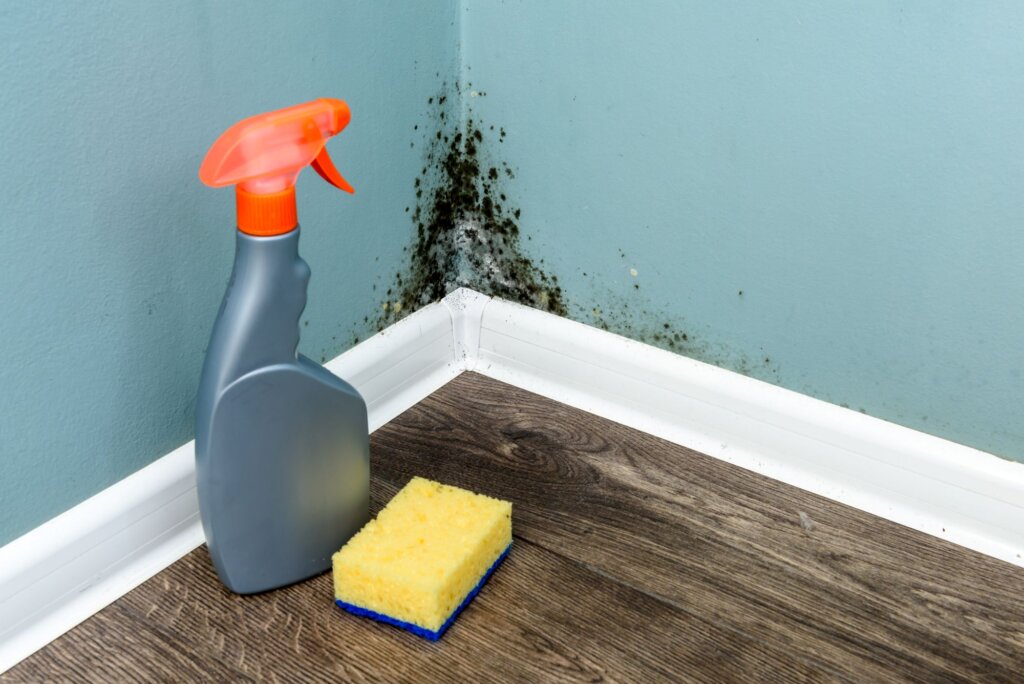
- Visible spots like black, green, pink, or brown growths on walls, ceilings, or under sinks are visual signs of mold.
- Peeling paint or wallpaper, discoloration near windows or plumbing, and warped or bubbling surfaces are signs of moisture.
Some mold may grow behind walls or under flooring, making it harder to detect until the damage is more severe.
Health Risks of Mold Exposure
According to the Centers for Disease Control and Prevention (CDC), indoor mold can cause a variety of health issues, especially for those with asthma, allergies, or compromised immune systems. Common symptoms include:
- Sneezing and coughing
- Nasal congestion
- Throat and eye irritation
- Skin rashes
Long-term or high-level exposure can lead to more serious respiratory conditions, which makes it especially dangerous for younger children, the elderly, and people with chronic illnesses.
Why Rapid Response Is Crucial
Mold thrives in damp and dark environments, and it doesn’t take much to trigger growth. If you can dry out the affected area within 48 hours after a water event, your chances of stopping mold in its tracks go up significantly.
However, once it starts growing, mold can spread quickly. It typically grows behind baseboards, inside wall cavities, or in HVAC ducts, where it becomes much harder (and more expensive) to remove.
Safe Cleanup Steps for Minor Mold
If the moldy area is less than 10 square feet and not in your HVAC system or on porous surfaces, you may be able to handle the cleanup yourself:
- Use safer cleaners like vinegar or hydrogen peroxide. Avoid bleach—it may remove surface stains but won’t penetrate porous materials and can produce toxic fumes. Never mix chemicals when cleaning.
- Scrub and dry affected surfaces completely.
- Discard moldy porous materials, including insulation, carpet, padding, or ceiling tiles. These cannot be fully cleaned and may continue to harbor mold.
When to Call in the Professionals
You should contact a professional mold remediation company if:
- Mold is growing in an area larger than 10 square feet.
- Mold has entered your HVAC system.
- Water damage has spread into wall cavities or adjacent rooms.
- You or your family members are experiencing health symptoms that may be mold-related.
- You are unsure.
Licensed professionals have the tools and experience to handle removal safely and thoroughly, making sure mold doesn’t return. Even if you’re not sure about the extent of the damage or affected area, getting an estimate or walkthrough from a professional can help you get a better idea of what you’re dealing with.
Preventing Mold After Water Damage
Proactive steps can make a huge impact in preventing mold growth after a leak or flood.
- Fix leaks immediately—including roof, window, or plumbing issues.
- Ventilate moist areas with fans or open windows.
- Use dehumidifiers to keep humidity levels between 30–50% (according to the EPA).
- Clean and maintain HVAC drip pans and drainage lines.
- Remove standing water and dry all materials quickly.
- Seal basement walls or crawlspaces if they’re prone to moisture.
Even small leaks can create long-term mold issues if left unchecked.
Act Fast for Mold Prevention
Acting fast, drying thoroughly, and knowing when to call professionals are your best defenses against mold growth after a water event. Understanding how mold behaves and how to respond gives you the power to protect your health and your property.
This article is for informational purposes and is not meant as a substitute for professional mold remediation advice. If you have questions or need help in your home, schedule an estimate with a local professional in your area.