Not every rescue pet steps into your home ready to settle in. Some come into a new home carrying stress, uncertainty, or fear from past experiences or repeated change. This means the environment you create should aim to help them adjust.
Preparing your home for an anxious rescue pet is about making the space feel calmer, and more manageable for both you and your new family member.
Start With a Quiet, Predictable Space
One of the best things you can do right away is create a low-pressure area where the pet can decompress. Dogs may prefer a crate with the door open, a quiet bed in a corner, or a spot near a wall where they can relax without too much traffic. Cats often benefit from covered beds, tucked-away spaces, or elevated areas where they can observe from a distance.
Giving your pet a small place to retreat can feel more secure than full access to a busy home. It helps the pet learn the space at their own pace instead of feeling overwhelmed. It can also be beneficial to you as a pet parent as you learn their behaviors and habits.
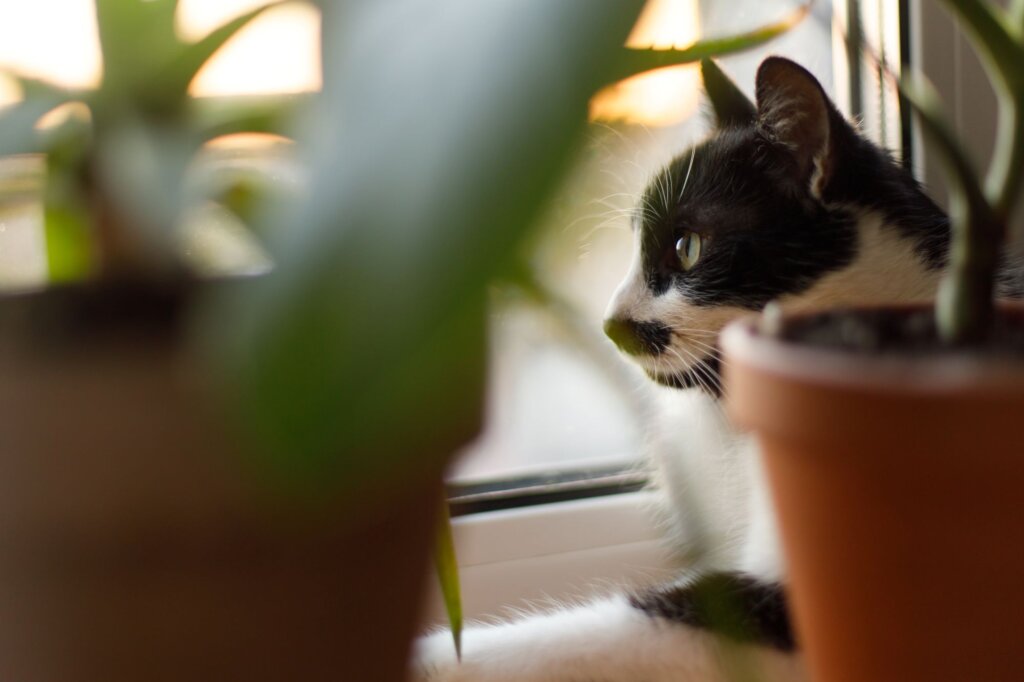
Reduce Noise and Overstimulation
An anxious pet is often especially sensitive to sudden sounds, lots of movement, or constant activity. If possible, keep the first few days relatively calm. That might mean limiting visitors, lowering noise levels, slowly introducing other pets, and avoiding too many new experiences right away. The goal here is simply to reduce pressure while your pet learns that their new environment is safe.
Keep Routine as Steady as You Can
Routine can be very comforting for anxious pets. Feed at consistent times, keep outings predictable, and maintain a steady daily rhythm to help them understand what to expect. This predictability matters for pets because anxiety can grow in uncertainty. Following a consistent routine can replace some of that uncertainty with something more stable.
Go Slowly With Introductions
It is natural to want your new pet to meet your friends and family right away, but slower introductions are often better. New people, new animals, and new spaces can all be a lot for an anxious pet to process.
Instead, let trust build gradually. You may need to let your pet adjust to your household first before introducing them to anyone new. Calm and thoughtful introductions are typically much more helpful than trying to make everything happen at once.
Prepare Your Expectations
One of the most important parts of preparing your home is preparing your mindset. An anxious rescue pet may not be affectionate, social, or relaxed right away. They may need more time than expected to eat comfortably, explore, or engage. They also might need more patience when it comes to learning new patterns or behaviors, like potty training, crate training, or staying out of the trash.
Just because your anxious pet needs more time doesn’t mean progress isn’t happening. The early wins are often small, like a deeper breath, a tail wag, a purr, or a step towards you. Over time, you’ll realize how much the little things have added up.
Key Takeaways
Helping an anxious rescue pet feel safe in their new home requires patience, structure, and a calm environment. The way you prepare your home can shape those first days and weeks in a meaningful way.
Sometimes the most helpful thing you can offer a rescue pet is the quiet reassurance that they can take their time.
This community resource is made possible through the generous support of local WhirLocal sponsors.