On a bright Huntington Beach drive, a vehicle can feel noticeably warmer after sitting in the sun. Automotive window tinting can reduce solar heat entering the cabin without requiring nearly black glass. The key is not simply how dark a film looks, but how effectively its construction manages solar energy, including infrared and visible light.
Heat Reduction Is Not the Same as Darkness
Window tint is often described by its visible light transmission (VLT), which indicates how much visible light passes through the glass. A lower VLT generally means a darker appearance, while a higher VLT allows more light through.
However, heat control involves more than visible light. Some modern window films are designed to reject portions of solar energy while maintaining a clearer appearance. This means a driver can choose a lighter-looking tint while still improving cabin comfort.
What the Film Actually Does
Sunlight reaching automotive glass contains visible light, ultraviolet radiation, and infrared energy. A properly selected film can absorb or reflect portions of this incoming solar energy before it contributes to interior heat.
The result is not a cold cabin by itself, and tint cannot eliminate heat gain through the windshield, roof, or other surfaces. Instead, it can reduce the amount of solar energy entering through treated windows. That can make seats, steering wheels, and interior surfaces feel less intensely heated during sunny conditions.
Why This Matters for Huntington Beach Drivers
Coastal Southern California brings plenty of sunny driving conditions. Commuters traveling along Pacific Coast Highway and surrounding streets may experience changing sun angles throughout the day. Vehicles parked outdoors between errands, work, and beach trips can also accumulate substantial cabin heat.
Choosing tint based only on darkness can therefore miss an important distinction: appearance and solar performance are related, but they are not identical.
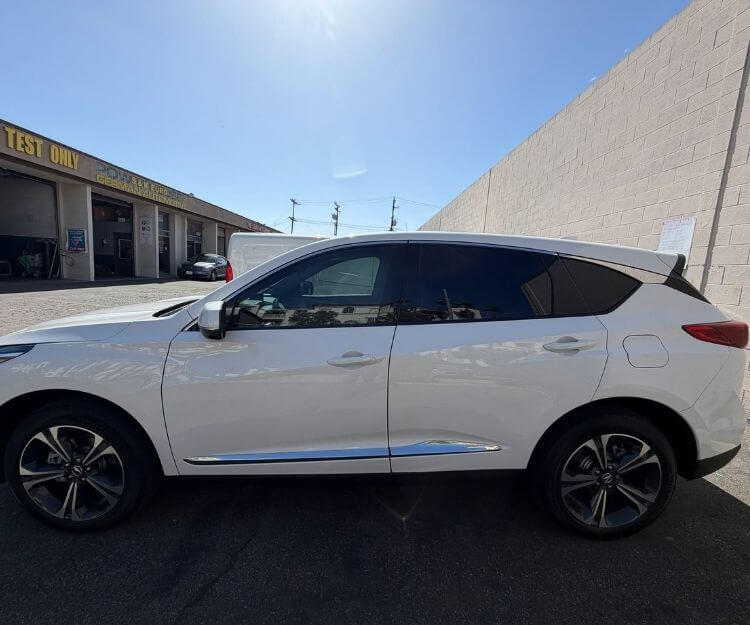
How to Choose a Practical Tint
Start by considering the windows that receive the most direct sunlight and how the vehicle is used. Ask about the film’s VLT, solar energy performance, ultraviolet protection, and infrared characteristics rather than judging it solely by appearance.
It is also important to check California’s window-tint requirements before installation. Different vehicle windows have different legal considerations, so a reputable installer should help customers understand applicable restrictions.
A Local Resource for Window Film
Bolsa Window Tint serves Huntington Beach drivers considering automotive window tinting with practicality in mind. Instead of treating darkness as the only measure of performance, drivers can discuss film options that balance visibility, appearance, and heat management for their vehicle.
The Takeaway
Tint does not have to mean extremely dark windows. The right film can manage solar energy while preserving visibility and a lighter appearance. For Huntington Beach drivers, comparing VLT with the film’s heat-control characteristics can lead to a more informed choice.
For guidance on window film options, visit Bolsa Window Tint to explore solutions suited to your vehicle and everyday driving needs.