Basement water damage does not always begin with a major flood. It can start with a damp wall, a musty odor, a foundation crack, or a puddle that appears after heavy rain. For homeowners in Midlothian, VA, understanding how moisture enters a basement can help prevent small problems from becoming more expensive ones. Basement waterproofing helps manage water intrusion and protect the space from recurring moisture.
Why Basements Are Prone to Water Problems
Because basements sit below ground level, their walls and floors are surrounded by soil. When rainfall saturates the ground, water can exert pressure on the foundation, exposing weak points.
Midlothian’s changing weather and periods of heavy rainfall make drainage around the home particularly important. Water from roofs, driveways, and surrounding soil can collect near the foundation when there is no effective path away from the structure.
Warning signs of basement moisture may include:
- Damp or discolored walls
- Musty odors
- Peeling paint or damaged drywall
- Water around basement windows
- White mineral deposits on masonry
- Puddles following rainfall
Recognizing these signs early gives homeowners an opportunity to investigate the source before additional materials are affected.
How Waterproofing Helps Prevent Damage
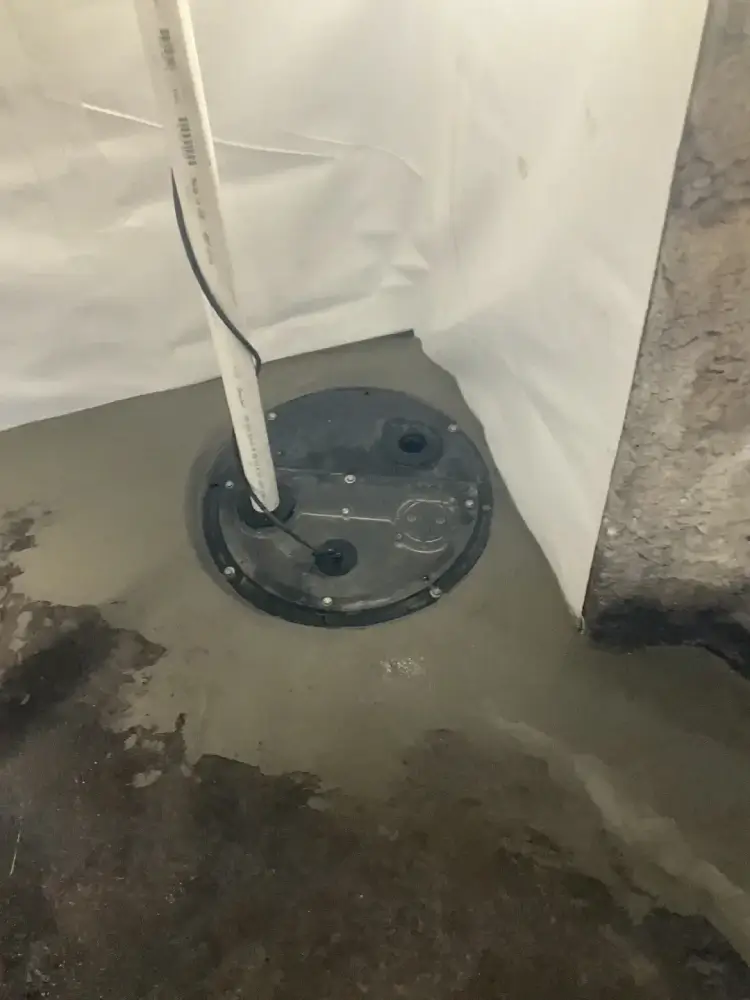
Waterproofing is designed to control moisture and reduce opportunities for water to enter the basement. Depending on the property’s condition, solutions may involve improving drainage, sealing foundation entry points, redirecting water, or installing systems to collect and remove it.
The appropriate solution depends on the source. Water coming through a foundation wall, for example, may require a different approach from water caused by poor exterior drainage.
That is why simply removing water after a storm may not solve the underlying problem. Controlling the pathway that allows moisture inside is an important part of long-term prevention.
Dehumidifiers Are Not a Complete Solution
A dehumidifier can reduce moisture in the air, but it cannot stop groundwater or rainwater from entering through a foundation. If water intrusion continues, humidity-control equipment is addressing the symptom rather than the source.
For homeowners interested in this distinction, Why Do Interior Dehumidifiers Fail To Control Basement Moisture Without Basement Waterproofing explains why a dehumidifier may not be enough when a basement has an underlying water-intrusion problem.
Simple Steps Homeowners Can Take
Waterproofing works alongside routine home maintenance. Keep gutters clear, check that downspouts direct water away from the foundation, and inspect the basement after significant rainfall.
Pay attention to recurring damp areas, new cracks, unusual odors, or signs of seepage. A problem that recurs after storms warrants investigation rather than being treated as normal basement behavior.
For Midlothian residents dealing with basement or foundation concerns, Tiger C Construction, LLC offers a local resource for learning more about potential solutions.
The Takeaway
Basement waterproofing can help reduce water intrusion and limit the potential for repeated moisture-related damage. By monitoring early warning signs, maintaining exterior drainage, and addressing recurring water problems at their source, homeowners can take practical steps toward protecting their property.
For persistent basement moisture, having the situation evaluated can help determine which approach makes sense for the home.