Starting at the gym for the first time is a solid step toward better health, but the first few weeks can come with a lot of guessing. There are machines to adjust, weights to choose, exercises to learn, and plenty of opinions about what a “good workout” should look like.
Many beginner injuries happen when people try to do too much too soon or skip the basics. A safer start usually comes from learning proper form, giving your body time to adjust, and asking questions before discomfort turns into pain.
Building strength takes time. The early goal is not to prove how hard you can push, but to create habits you can keep coming back to.
Doing Too Much Too Soon
Motivation is helpful, especially when you are excited to start a new routine. The trouble comes when that initial motivation turns into heavy weights, long workouts, daily training, or high-intensity classes before your body is ready.
Muscles, joints, and tendons need time to adapt to new motion. If you go from little activity to hard workouts several days a week, soreness can turn into strain pretty quickly.
A better approach is to start with lighter weights, shorter sessions, and a schedule that leaves room for recovery. You can always build from there. Progress that lasts usually comes from steady effort, not one exhausting workout.
Skipping the Warmup
A warmup doesn’t need to be long or complicated, but it definitely should not be skipped. A few minutes of easy movement helps prepare your muscles and joints for more demanding exercise. This might look like a brisk walk on the treadmill, light cycling, arm circles, bodyweight squats, gentle lunges, or a lighter version of the exercise you plan to do. The point is to help your body shift into workout mode before you ask it to lift, push, pull, or move quickly. Warming up your muscles can reduce the risk of injury and make the whole workout feel smoother.
Lifting with Poor Form
Good form matters more than lifting heavier weight. When movements are rushed, uncontrolled, or done with poor alignment, the wrong areas can take on extra strain.
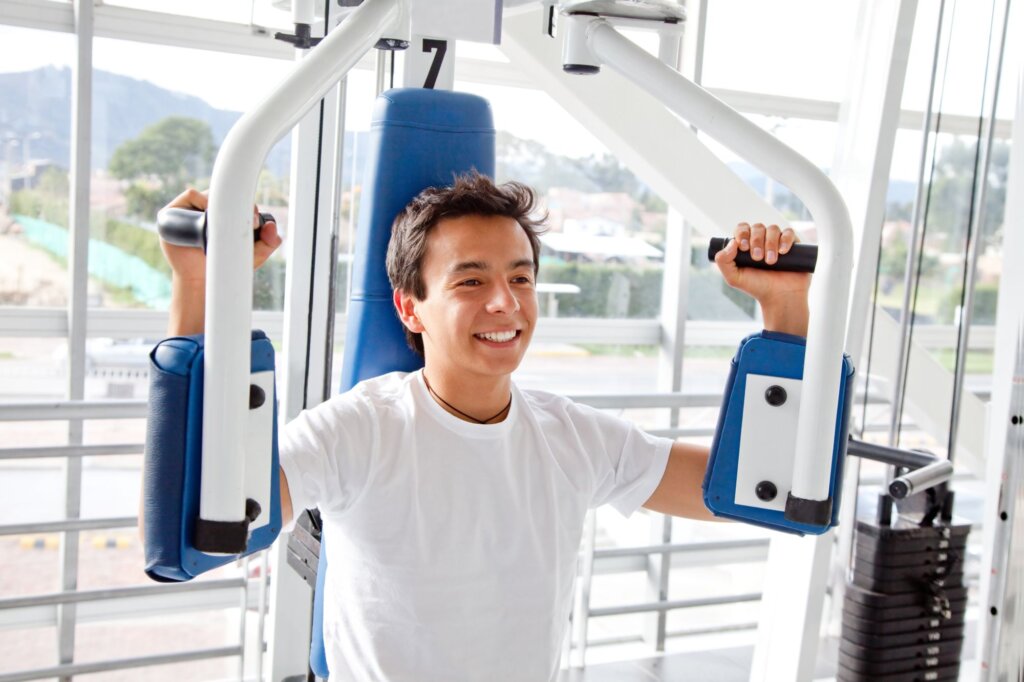
This is especially true with exercises like squats, deadlifts, lunges, rows, overhead presses, and core movements. Machines can also cause problems if the seat, handles, or range of motion are not adjusted correctly for your body.
A few signs your form may need attention include:
- Pain in a joint instead of effort in the working muscle
- Feeling off balance during the movement
- Needing momentum to lift the weight
- Losing control as you lower the weight
- Holding your breath through every rep
If something feels awkward or painful, pause and ask for help. A trainer or gym staff member can often make a quick adjustment that changes the whole exercise.
Ignoring Rest and Recovery
Rest days are easy to overlook when you are eager to see results. But training hard every day, especially as a beginner, can increase the risk of overuse injuries and burnout.
Your body gets stronger between workouts, not just during them. Sleep, hydration, food, and rest days all help muscles rest, repair, and prepare for the next session. That doesn’t mean rest days have to be completely inactive; walking, stretching, yoga, or easy movement can be a good option when you want to stay active without adding more strain.
Pay attention to soreness too. Mild muscle soreness can be normal, especially after trying a new exercise or working a new muscle group. However, sharp pain, joint pain, swelling, or soreness that keeps getting worse should not be pushed through.
Copying Someone Else’s Workout
It is tempting to copy a workout from a friend, online influencer, or person who looks confident across the gym. The problem is that their routine may not match your goals, experience, mobility, injury history, or current fitness level.
A workout can look impressive and be effective for someone else and still be the wrong fit for you.
Beginners usually do best with a simple, balanced plan that teaches the major movement patterns: pushing, pulling, squatting, hinging, carrying, and core stability. Once those basics feel more familiar, it becomes easier to add variety and challenge safely.
Asking for Help Can Save You a Setback
Gym staff, personal trainers, and strength coaches are there to help people train safely and confidently. Asking a question is one of the smartest things a beginner can do, and it’s not a sign that you don’t belong in the gym.
A trainer can show you how to adjust gym equipment, choose a starting weight, check your form, and build a routine that fits your schedule or goals. They can also help you avoid doing too much too quickly. It may also be worth talking to a healthcare professional, personal trainer, or physical therapist if you have an old injury, current pain, or a medical condition.
A Strong Start Is Usually a Steady One
The gym gets easier to navigate with time. Start with the basics. Warm up, use good form, rest when your body needs it, and ask for guidance when something feels unclear. A steady start can help you build strength, confidence, and momentum without turning early enthusiasm into an avoidable injury.