
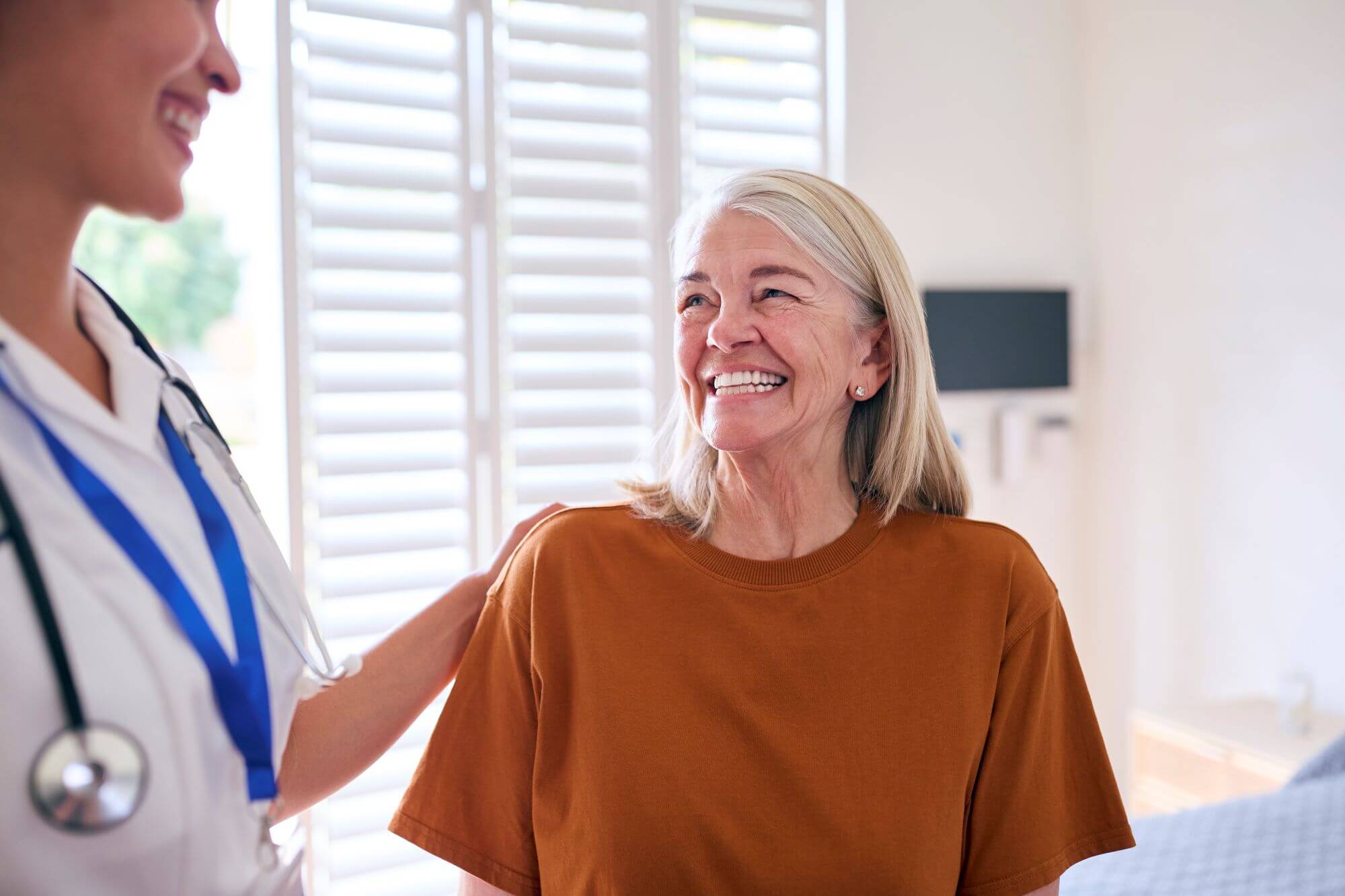
When people think about healthcare, they often picture treating a symptom, diagnosing an illness, or prescribing medication. Those are all important parts of medicine, but they rarely tell the whole story. When a patient brings a medical concern into the exam room, they also bring their experiences, relationships, goals, and the circumstances that influence their health every day.
That principle is at the heart of whole-person care. Instead of focusing only on what hurts today, whole-person care looks at the bigger picture. It recognizes that physical health, mental health, family, and life circumstances are all connected, and that understanding those connections leads to better care.
Although the providers at WFMC Health work in different specialties, they share a common approach: seeing the whole person first.
Looking Beyond the Reason for the Visit
Two patients can come into the clinic with the same symptoms and need very different care. One might be managing stress at work, while the other could be caring for a new baby. Someone else might be living with anxiety, navigating a chronic illness, or simply trying to understand what’s happening with their health for the first time.

Good healthcare begins with listening instead of assuming. It means taking time to understand not only what brings someone into the clinic, but also what matters to them, what challenges they’re facing, and what goals they have for their health.
Amy Whitsa, PA-C, believes one of the most important parts of caring for patients is recognizing that every person is unique.
“Medicine is not black and white,” she said. “Patients all have different wants and needs and treating people where they’re at.”
That perspective shifts the focus from simply solving a problem to partnering with each patient in a way that reflects their individual circumstances.
Physical and Mental Health Are Connected
Understanding a patient’s circumstances typically reveals that health is rarely just physical. Emotional well-being, stress, relationships, and life experiences all influence how people feel and heal. That’s why whole-person care looks beyond symptoms to recognize how closely mental and physical health are connected.

Daisy Barrios-Hani, LCSW, believes it’s impossible to separate the two.
“Our bodies and our minds are so interconnected that if we’re just treating one without the other, we’re missing a huge piece of the puzzle.”
That’s one reason behavioral health is integrated into primary care at WFMC Health. Rather than treating mental health as something completely separate, providers work together so patients can receive more coordinated support.
Miguel Gonzalez, LPC, has also seen how meeting patients in a familiar primary care setting can make conversations about mental health feel more approachable. Building rapport and creating a comfortable environment helps people open up about concerns they may have been carrying for a long time, allowing care to begin in a place where trust already exists.
Caring for the Whole Family
Seeing the connection between physical and mental health is one part of whole-person care. Another part is recognizing that people’s needs change throughout life. Care for a newborn is different from the care of a teenager, an expecting parent, or an older adult—but every stage benefits from providers who listen, build trust, and see the whole person.

For pediatricians, caring for a child also means caring for the family. Parents know their children best, and creating space for their questions and concerns is an important part of every visit.
Dr. Emily Nebzydoski hopes families leave appointments feeling supported and comfortable asking questions.
“I hope they feel heard and they’re comfortable with me caring for their child,” she shared, “and they feel like they can ask me anything.”
Creating that kind of relationship helps both children and parents feel confident returning whenever they need care.

Dr. Nitish Jagpal shares a similar philosophy, especially when it comes to helping children feel comfortable during their visits.
“I get to their level, talk to them comfortably, and make them feel safe so they can open up to me,” he explained.
Building trust with healthcare providers early in life can shape a child’s relationship with healthcare in the future.
Whole-person care also extends to pregnancy and the early stages of parenthood. Devin Salazar, MSN, CNM, believes education, connection, and shared experiences are important parts of caring for growing families. Through programs like Centering Pregnancy®, patients receive medical care and opportunities to ask questions, learn together, and build community with others going through similar experiences.
Care Is Stronger When Providers Work Together
Although their roles are different, these providers work together to make sure patients receive care that’s connected, coordinated, and centered around the person.
Whole-person care also means recognizing that no single provider has to meet every need alone. Family medicine providers, pediatricians, behavioral health consultants, certified nurse midwives, nurses, and support staff each bring different expertise while helping patients feel supported and cared for.
Although their roles are different, they share a commitment to communication, trust, and patient-centered care. That shared approach helps create a more connected experience for patients and families across different stages of life.
When providers work as a team, care can reflect more of the factors that shape a person’s health. Patients benefit from a clinic where different perspectives come together around their overall well-being.
Relationships Make the Difference
Whole-person care develops over time through conversations, trust, and relationships.
As providers get to know their patients, they begin to understand both the medical history and the people behind it—their families, their work, their goals, and the experiences that shape their health. That deeper understanding helps providers recognize changes, celebrate progress, and offer care that’s truly personalized.

Dr. Oleg Balter described those long-term relationships simply.
“These people become your family after some time.”
Those relationships are built visit by visit, which creates a foundation of trust that makes future care more meaningful and effective.
Seeing the Whole Person
Across every specialty at WFMC Health, providers share a common belief that healthcare is much more than treating illnesses. It’s also listening carefully, asking thoughtful questions, building lasting relationships, and recognizing that every person’s health is shaped by more than a single diagnosis.
No matter if someone is bringing in their newborn for a first checkup, seeking support for anxiety, managing a chronic condition, or simply coming in for an annual wellness visit, whole-person care aims to see how everything is connected.
Ready to Get Started?
If you’re looking for healthcare that sees you as more than a diagnosis, WFMC Health is accepting new patients.
Our team is here to support you and your family with compassionate, community-centered care. Contact WFMC Health today to learn more or schedule an appointment.
This blog post was first published on WFMCHealth.org.