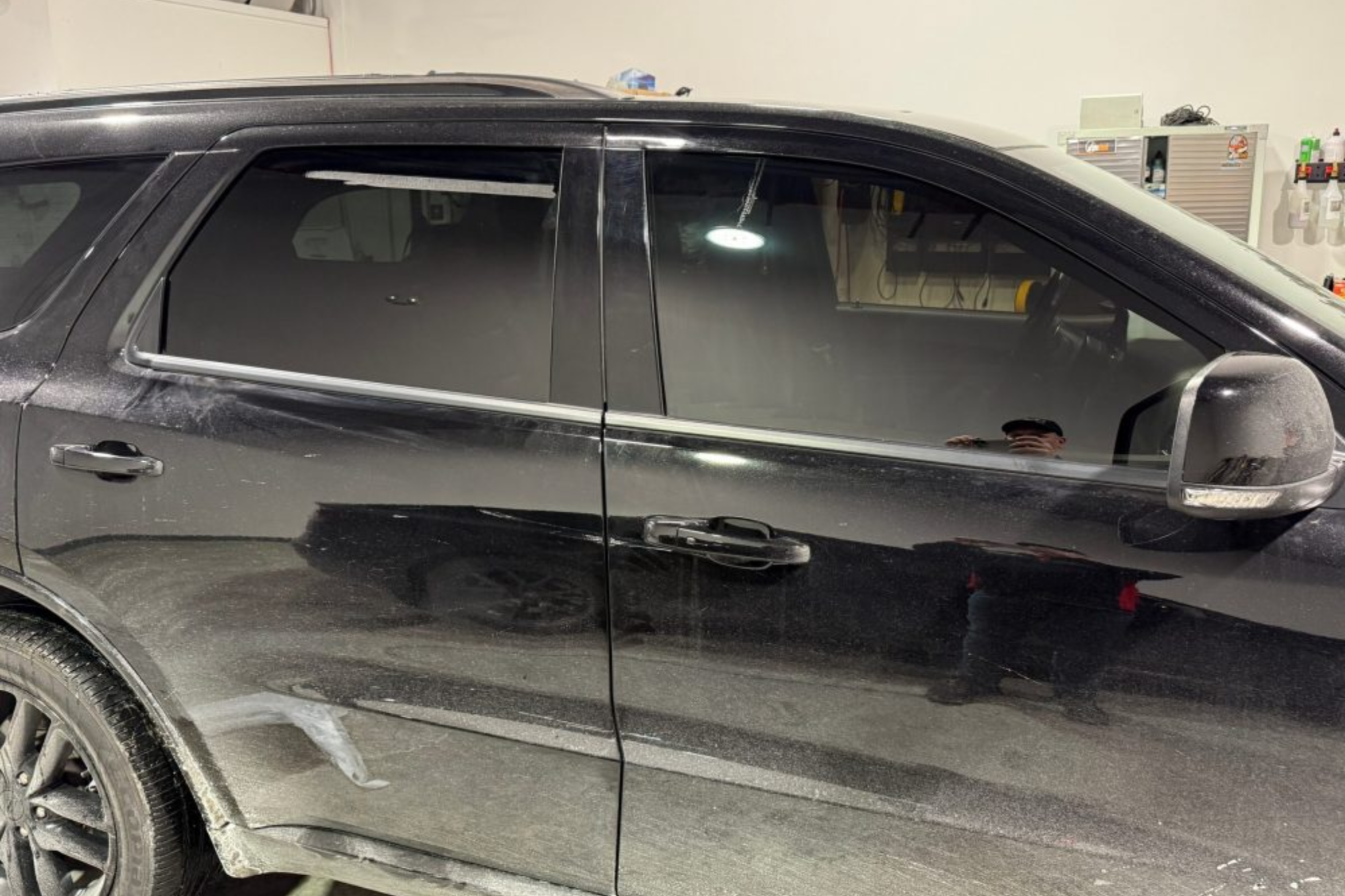
Visible light transmission indicates how much visible light passes through a vehicle’s windows after you install tint. Understanding VLT helps drivers balance shade, visibility, appearance, and driving needs. The right VLT can support comfort without unnecessarily reducing visibility.
For drivers in Troy, MI, that balance matters throughout the year. Summer sunlight, winter cloud cover, rain, and nighttime driving can create different visibility conditions.
What Does VLT Actually Mean?
VLT is expressed as a percentage. A higher percentage allows more visible light through the glass, while a lower percentage creates a darker appearance.
Darker Does Not Always Mean Better
A darker film can reduce visible light entering the cabin, which may help manage glare and create a different appearance. However, very low VLT can make it harder to see through the windows in dim conditions. Window tinting should therefore be selected according to how and when the vehicle is driven, not solely according to appearance.
Why Visibility Matters
Drivers need to recognize vehicles, pedestrians, cyclists, signs, and road features in changing lighting conditions. Tint that feels comfortable during the day may look different after sunset.
Factory glass can also affect the final VLT because existing glass may already have some tint. The combined result matters when selecting window film.
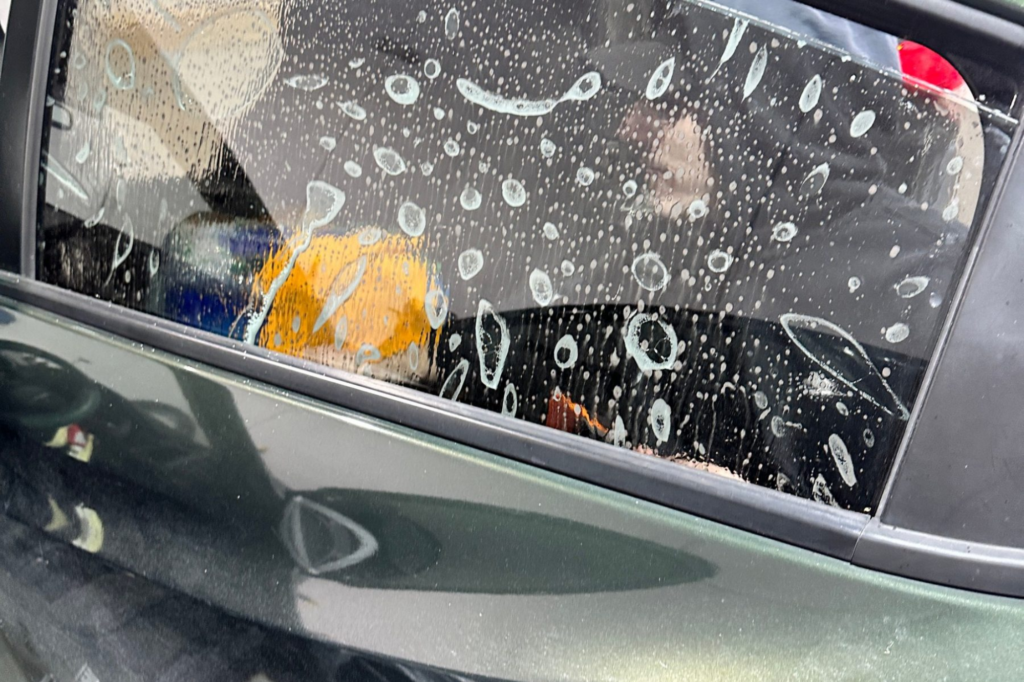
What Should Drivers Consider?
Match Tint to Driving Habits
Before choosing a shade, consider:
- Daytime driving: Brighter conditions may make moderate tint comfortable.
- Nighttime driving: Higher VLT can preserve more available light.
- Glare sensitivity: A suitable film can help reduce distracting brightness.
- Vehicle use: Commuting, highway travel, and urban driving create different visibility needs.
- Existing glass: Factory-tinted windows can change final appearance and light transmission.
Local regulations should also be reviewed before installation.
Michigan Conditions Can Change the Equation
Troy drivers encounter changing light throughout the year. Bright summer conditions can increase glare, while shorter winter days mean more low-light driving. Consider these conditions and applicable tint regulations before selecting a shade.
How Does Window Tinting Handle Temperature Changes?
It can help limit solar heat entering the cabin, but interior temperatures also depend on sunlight, glass area, ventilation, and parking conditions. These factors can help drivers choose a suitable film. Read How Window Tinting Handles Extreme Temperature Changes Inside a Vehicle to learn more about cabin temperature.
How K&D Auto Spa - Detailing Helps Drivers Evaluate Tint
K&D Auto Spa - Detailing considers the vehicle, existing glass, desired appearance, and everyday driving needs when discussing window tinting. Reviewing VLT before installation helps owners understand how shades may affect visibility and the finished look.
The Takeaway
VLT provides a useful way to understand how much visible light window tint allows through. Considering VLT alongside driving habits, weather, glass, and local requirements can help drivers choose a practical tint.
For Troy drivers considering window tinting, K&D Auto Spa - Detailing can explain available options and how different VLT levels may look and perform on the vehicle.
Featured
K&D Auto Spa - Detailing, Ceramic Coating, PPF
Shelby Township, MI
4.9 322 on Google
Shelby Township, MI
Contact K&D Auto Spa - Detailing, Ceramic Coating, PPF
Thanks, your message was sent to K&D Auto Spa - Detailing, Ceramic Coating, PPF.