For vehicle owners, maintaining factory paint is about more than keeping a car looking clean. Paint Protection Film, commonly called PPF, provides a physical layer over vulnerable painted surfaces, helping reduce the effects of road debris, stone chips, bug impacts, and everyday environmental exposure.
Why Factory Paint Takes a Beating
Daily driving exposes vehicles to countless small hazards. Gravel and road debris can strike the hood, bumper, fenders, and mirrors, while highway driving increases the potential for chips and surface damage.
Weather also plays a role. Sun exposure, rain, dirt, and contaminants can gradually affect the appearance of automotive paint. Once the paint is chipped, correcting the damage may require touch-up work or more extensive refinishing.
This is where preventive protection can make sense for drivers who want to preserve their vehicle’s condition rather than repeatedly repair cosmetic damage.
How Paint Protection Film Helps
Paint protection film is a transparent or specialty polyurethane film installed over selected painted surfaces. Its primary purpose is to create a sacrificial barrier between the vehicle’s paint and external hazards.
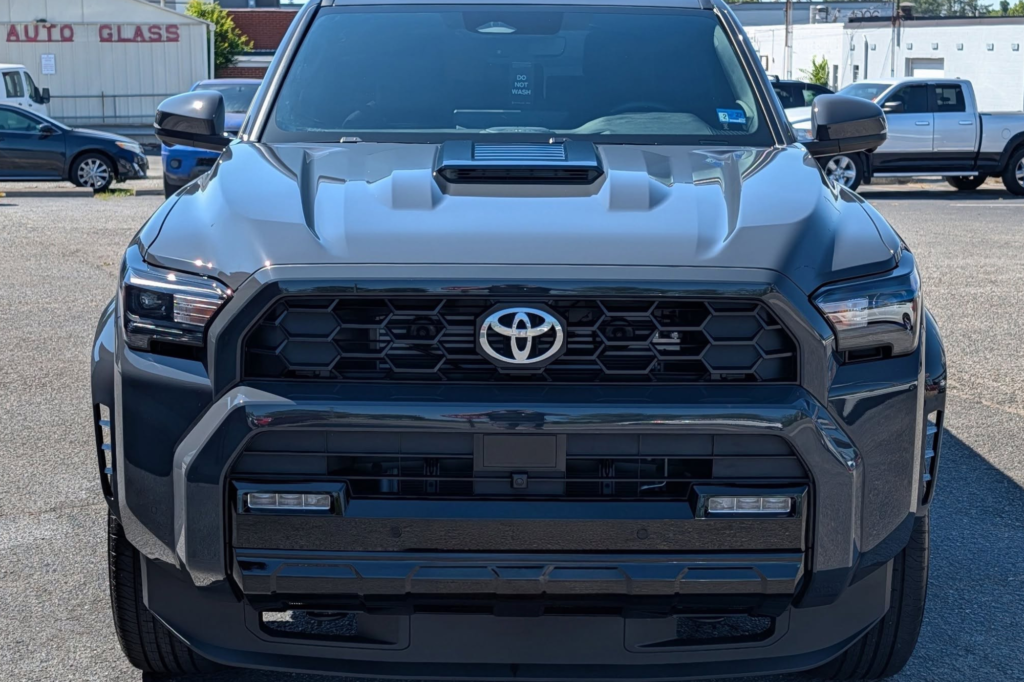
Common installation areas include the front bumper, hood, fenders, mirrors, and rocker panels, as these sections are highly exposed to road debris.
PPF Compared With Other Paint Protection
PPF serves a different purpose from products such as ceramic coatings and traditional waxes. Ceramic coatings can provide surface protection and hydrophobic properties, while wax primarily enhances gloss and provides temporary protection.
PPF physically covers the paint with a protective film, helping guard against impact-related damage. For a closer look at long-term cost considerations, Is Full Vehicle Paint Protection Film More Cost-Effective Than Repainting Factory Panels explores how protection compares with repainting damaged areas.
Why Installation Quality Matters
The effectiveness of PPF depends on more than simply having film installed. Proper preparation, accurate pattern placement, careful handling, and appropriate installation techniques can influence the finished appearance and performance.
Vehicle owners should also consider which panels receive the most exposure. Protecting every painted surface may not be necessary for every driver, so a thoughtful installation can prioritize areas most likely to encounter road debris.
Long-Term Paint Care Starts With Prevention
Regular washing and proper detailing remain important even when PPF is installed. Removing dirt and contaminants helps maintain the appearance of both protected and unprotected areas.
For drivers who frequently commute, travel on highways, or want to preserve a vehicle’s factory finish, preventative paint protection can be a practical part of long-term ownership.
Owen’s Auto Detailing LLC provides automotive detailing and paint protection services for vehicle owners looking to maintain their vehicles’ appearance. Its approach can help drivers consider protection based on how and where they drive their vehicles.
A Practical Takeaway
Paint Protection Film is not simply a cosmetic accessory. Placing a physical barrier between vulnerable paint and everyday road hazards can help vehicle owners reduce the likelihood of visible damage and preserve the factory finish.
For drivers considering PPF, the right coverage depends on driving habits, vehicle use, and which areas face the greatest exposure. Owen’s Auto Detailing LLC can help vehicle owners explore paint protection options suited to their vehicle-care goals.
Featured Place
Owen’s Auto Detailing, Ceramic Coating, Paint Protection Film (PPF) and Window Tint
1908 Staples Mill Rd
Richmond, Virginia 23230
804-536-1154