Window tinting doesn’t uniformly cool every vehicle; its effectiveness involves various factors beyond just the film’s darkness. Aspects like film technology, the type of glass, the size of the vehicle, the materials inside, sun exposure, and the amount of solar energy entering through the windows all play a crucial role in determining cabin temperature.
For drivers in Lumberton, NC, where vehicles can spend plenty of time exposed to strong sunlight and summer heat, understanding these differences can help when comparing window films.
What Makes Some Window Tint Reject More Heat
Window tint film can be designed to target various elements of solar energy, including infrared radiation, which adds to heat buildup. As a result, two films that appear similarly dark may still exhibit different levels of solar-control effectiveness.
The amount of glass on a vehicle also matters. A large SUV with expansive side windows may receive more direct sunlight through its glazing than a smaller sedan, while windshield exposure can also contribute substantially to cabin heat.
Does Darker Tint Always Mean A Cooler Car
No. Visible darkness and heat rejection are separate characteristics. A darker film can reduce visible light transmission without necessarily providing the same level of solar-energy rejection as another film with similar appearance.
This is why specifications such as visible light transmission and solar energy or infrared performance can be more useful for comparison than shade alone.
Why Does The Vehicle Interior Matter
Seat color, dashboard materials, upholstery, and interior design can affect how heat is absorbed and retained. A vehicle with dark interior surfaces may feel different after prolonged sun exposure than one with lighter materials.
Parking conditions matter, too. A car parked in direct sunlight will generally experience greater solar heating than one parked under cover, regardless of its window film.
Can Window Tint Affect Nighttime Visibility
Heat rejection is only one consideration when selecting a film. Visible light transmission can also affect how easily drivers see objects and their surroundings, especially in low light.
Drivers considering darker film should think about nighttime driving as well as daytime comfort. If you’re curious about the visibility tradeoff, Can Window Tint Make Dark Objects Harder To See At Night offers a useful topic to consider before choosing a tint shade.
What Should Lumberton Drivers Consider
When comparing window films, look beyond appearance and ask about:
- Solar performance: How effectively does the film reduce solar energy entering the cabin?
- Visible light transmission: How much light passes through the film?
- Vehicle glazing: How much glass is exposed to direct sunlight?
- Driving habits: Is the vehicle regularly parked outdoors or driven during peak sunlight?
- Interior protection: Does reducing UV exposure matter for the vehicle’s upholstery and trim?
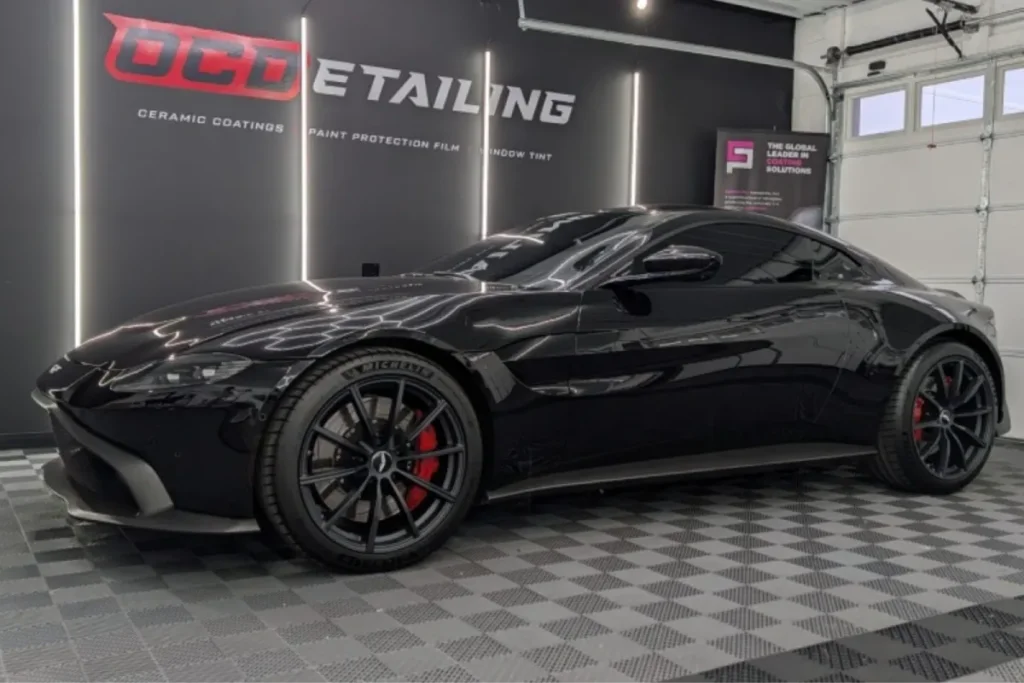
For drivers in the Lumberton area, OCDetailing NC offers a local option to discuss window tinting based on vehicle characteristics and individual priorities.
The Takeaway
A cooler-feeling vehicle depends on the interaction between the film, glass, interior, sunlight, and driving conditions. Rather than choosing tint based solely on darkness, consider its documented solar-control performance and how it fits your vehicle and daily use.