Urban paint protection film matters because frequent driving exposes vulnerable painted panels to road debris, grit, insects, and other contaminants that can cause chips, scratches, and surface wear. Applied to selected areas of a vehicle, PPF creates a sacrificial layer between the painted finish and everyday road hazards without requiring the original paint to absorb every impact directly.
For Wilmington drivers, this can be particularly relevant. Daily traffic, road construction, coastal conditions, and highway travel can put the front bumper, hood, mirrors, and lower panels in the path of airborne debris.
What Makes Urban Driving Hard on Paint?
City driving creates repeated opportunities for small particles to strike a vehicle. Loose gravel, sand, road grit, and debris from surrounding traffic can contact painted surfaces at driving speeds. Even when individual impacts seem insignificant, repeated exposure can gradually leave visible chips and marks.
Which Areas Receive the Most Exposure?
The front-facing portions of a vehicle generally encounter the most direct road debris. Bumpers, hood edges, front fenders, mirror caps, and rocker panels can experience frequent contact.
Paint protection film provides a transparent barrier over these areas. Its flexible construction is designed to absorb and distribute minor impacts that might otherwise reach the paint underneath.
How Does PPF Help With Everyday Road Debris?
PPF does not make automotive paint completely immune to damage. Its purpose is to provide an additional protective surface that takes some of the abuse associated with normal driving.
Beyond minor impact protection, the film can also make certain contaminants easier to manage because they initially settle on the film rather than directly on the vehicle’s painted finish. Prompt cleaning remains important, particularly when dealing with insects, bird droppings, or road residue that can become more difficult to remove when left exposed.
Why Does Wilmington’s Environment Matter?
Wilmington combines regular road traffic with a coastal environment. Moisture, airborne particles, sand, and seasonal weather can contribute to the accumulation of contaminants on exterior surfaces. Drivers traveling around town or using routes connecting Wilmington with surrounding communities may encounter different combinations of road debris and environmental residue during the same trip.
Keeping protected panels clean and avoiding abrasive washing methods helps maintain the film’s surface and appearance.
A Local Perspective on Urban Paint Protection Film
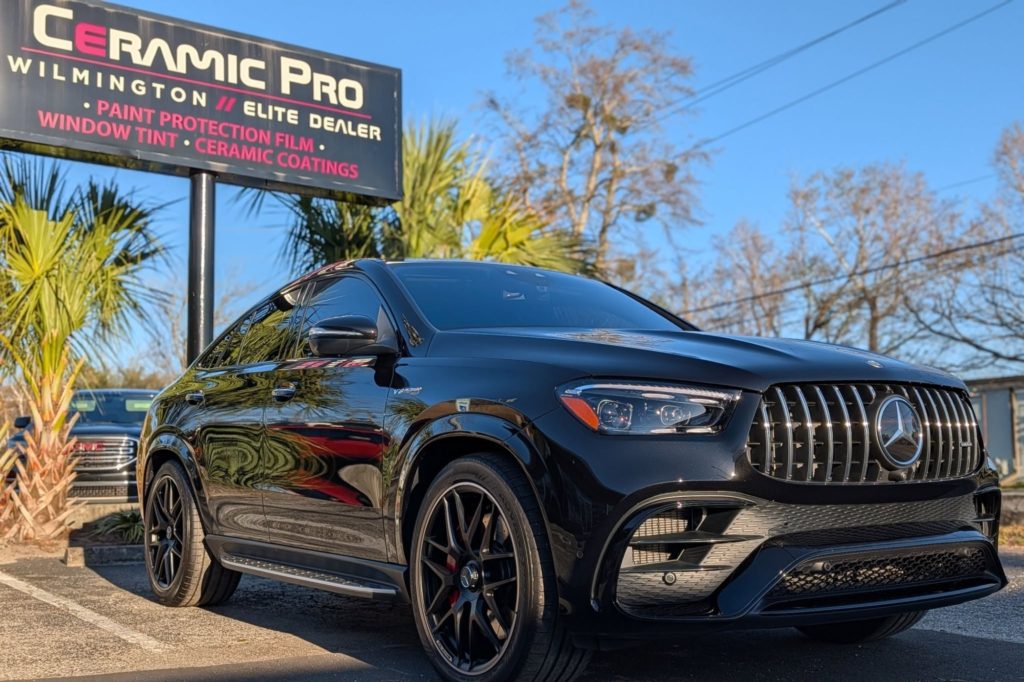
Ceramic Pro Wilmington provides vehicle protection services for drivers considering ways to reduce everyday exterior wear. Understanding where road debris is most likely to affect a vehicle can help owners decide whether targeted PPF coverage makes sense for their driving habits.
The Takeaway
Urban paint protection film can provide a practical barrier against repeated exposure to minor road debris, helping preserve vulnerable painted areas. It is not a substitute for careful driving or maintenance, but it can reduce direct contact between the original finish and everyday hazards.
For Wilmington drivers exploring paint protection options, Ceramic Pro Wilmington offers a local resource for learning more about PPF and vehicle surface protection.
Featured Place
Ceramic Pro Elite Wilmington | Ceramic Coating | PPF | Window Tint
4514 Park Ave
Wilmington, North Carolina 28403
(910) 490-4041