It only takes a few minutes for water to cause massive damage. A burst pipe. A washing machine that decides it’s done cooperating. A storm that finds its way through your roof.
However it happens, water damage can be overwhelming. What you do in the first 24 hours after a major water event really matters. Quick action can prevent mold, structural issues, and major repair costs in the future.
Always Start with Safety
Before you grab towels or a mop, take a breath and assess the situation. Turn off the electricity to the affected area, especially if there’s standing water near outlets or appliances. If ceilings are sagging or floors feel unstable, step away and keep your family clear of the space. This isn’t the time to take risks.
Find the Source and Stop It
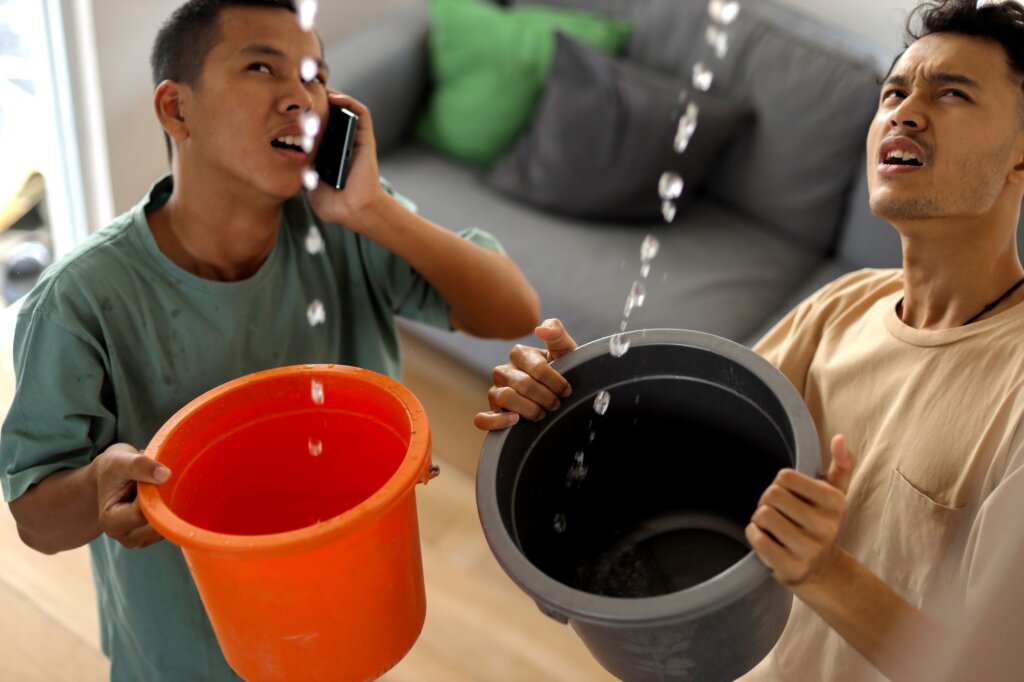
Next, figure out where the water is coming from. It might be a broken pipe under the sink, or maybe the dishwasher line gave out. If you can safely reach the shutoff valve for that fixture, turn it off. If you’re unsure, don’t hesitate to shut off the main water supply to the house. Stopping the flow quickly can drastically reduce the overall damage.
After the water is off and done causing chaos, contact a trusted plumber in your area to diagnose and fix the problem.
Call Your Insurance Company and Document Everything
Reach out to your insurance provider as soon as possible. Then grab your phone and start documenting. Take photos and videos of everything, including the floors, walls, ceilings, furniture, and personal belongings.
Create a simple list of damaged items and estimate their value. Keep receipts for anything you purchase for emergency cleanup. It may feel tedious in the moment, but thorough documentation helps protect you financially later.
Drying Begins Immediately
If the water is clean and the area is safe, it’s time to start drying.
- Use a shop vacuum, buckets, or towels to remove standing water
- Open windows if weather allows
- Bring in fans and dehumidifiers to keep air circulating
The goal is to dry everything as quickly as possible. Ideally, this happens within the first 24 hours.
Even when surfaces look dry, moisture can hide behind walls and under flooring. That’s why professional restoration teams use specialized moisture meters and industrial equipment to guarantee the job is done thoroughly.
Move Wet Items Quickly
Rugs, blankets, curtains, and upholstered items should be separated and dried right away. Don’t leave damp fabrics piled together, because that creates an open invitation for mold.
Some materials, like soaked insulation or padding, may need to be removed entirely if they’ve been wet for too long. It’s never easy to part with damaged items, but doing this quickly can save more than you think.
Keep an Eye Out for Mold
Mold can begin developing within 24–48 hours in moist conditions. If you notice musty smells, discoloration, or fuzzy patches forming, it’s time to call in help. Water that came from outside, sewage backups, or appliance failures can also be contaminated, which is not something to tackle without proper equipment and training.
Hiring an experienced water damage restoration professional means you’re getting the top tools, training, and know-how to dry, sanitize, and restore your home safely. In stressful moments like major water events, having a trusted local expert in your corner makes a huge difference.
Quick Action Brings Peace of Mind
Water damage is never convenient. It’s disruptive, it’s stressful, and it often happens at the worst possible time.
But taking quick action in those first 24 hours can protect your home, your finances, and your family’s health. And when the situation feels bigger than a DIY solution, don’t hesitate to reach out to a local restoration expert who’s ready to help your home get back to normal.