Most homeowners have a running list of small repairs. This list might include a loose cabinet hinge, a door that sticks, a dripping faucet, a patch of damaged drywall, or a light fixture that needs to be replaced. These small repairs can sit for weeks (or months, or years) because life keeps moving. Hiring someone can be a practical way to finally get those jobs handled.
Still, not every home project belongs in the same category. Some repairs can be easily fixed by a local handyman or repairperson, while other repairs require a licensed specialist because they involve intricate electrical systems, plumbing lines, structural changes, permits, or safety concerns.
Start With the Size and Risk of the Job
Ask yourself, “What could go wrong if this repair is done incorrectly?” If the answer is mostly cosmetic or inconvenient, a handyman may be the right fit. If the answer involves water damage, fire hazards, structural problems, gas lines, or code violations, it’s best to call a specialist.
A badly repaired door, shelf, or piece of trim can be annoying, but the risk level is much lower than a wiring issue behind the wall or a plumbing leak that could damage flooring and cabinets.
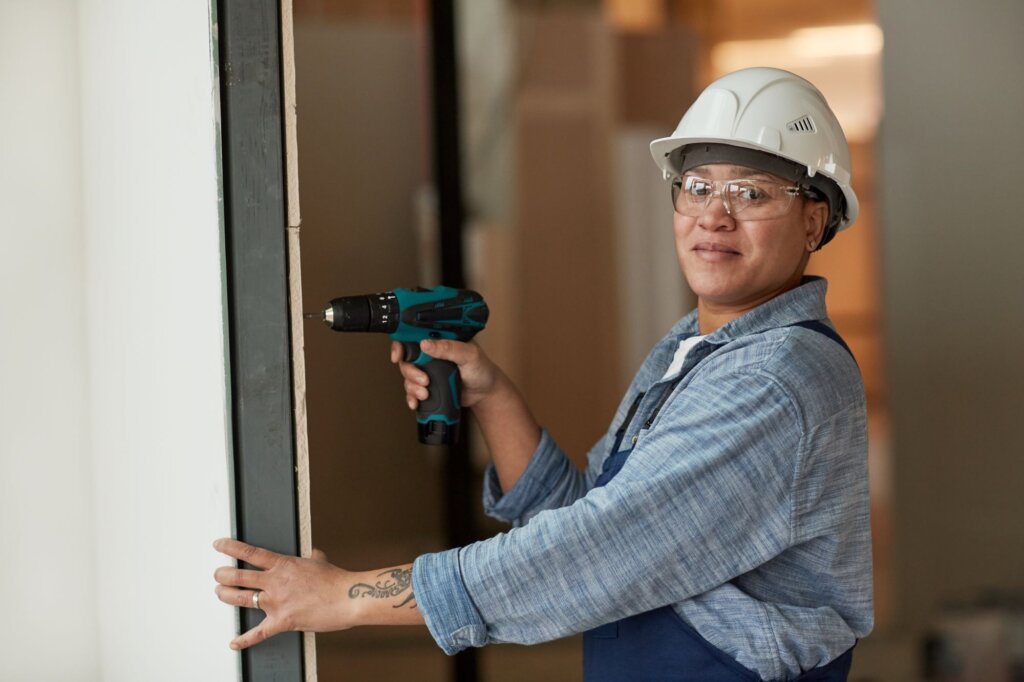
Projects That Typically Fit a Handyman
Handyman services are often a good choice for general repairs and small home improvements. These can include fixing loose hardware, repairing minor drywall damage, hanging shelves, adjusting interior doors, replacing caulk, installing curtain rods, touching up trim, assembling furniture, or handling small maintenance tasks around the house.
Many homeowners also call a handyperson for punch-list projects. These are the little jobs that build up over time and never seem large enough to schedule separately. Having one skilled person handle several tasks in a single visit can be efficient.
A handyperson can be especially helpful when the work does not require specialized licensing, major tools, or changes to the home’s main systems.
When to Call an Electrician
Electrical work deserves careful attention. Replacing a light fixture may seem simple, but wiring conditions can vary from home to home. Older homes, overloaded circuits, flickering lights, warm outlets, frequently tripped breakers, or buzzing sounds should be evaluated by a licensed electrician.
Projects involving new circuits, panel work, outdoor wiring, dedicated appliance lines, EV charger installation, or whole-home electrical updates should also be handled by an electrician. These jobs affect safety and may need permits or inspections.
When electrical work is done correctly, most people never think about it; when it’s done incorrectly, the safety risks can be serious. That is reason enough to bring in someone trained for the job.
When to Call a Plumber
A handyman may be able to handle small plumbing-adjacent tasks, such as replacing a faucet, swapping a showerhead, or resealing around a sink, but deeper plumbing issues should go to a plumber. Call a plumber for recurring clogs, hidden leaks, water heater problems, sewer line concerns, low water pressure throughout the home, pipe replacement, sump pump failure, or anything involving the main water or drain lines.
Water has a way of causing damage quietly. A small leak under a cabinet or behind a wall can lead to mold, damaged flooring, and expensive repairs if it is not handled properly. When the issue affects the plumbing system itself, a licensed plumber is usually the safest choice.
When to Call a Remodeler or Contractor
Some projects begin as a basic idea and quickly become more involved. Removing a wall, changing a room layout, replacing cabinets, adding a bathroom, finishing a basement or attic, or building an addition usually requires a remodeler or general contractor. These projects typically involve several trades, scheduling, permits, materials, structural questions, and inspections. A remodeler can coordinate the bigger picture and help make sure the work is done in the right order.
Even smaller remodeling projects can benefit from experienced planning. For example, replacing a bathroom vanity may also involve plumbing adjustments, flooring repairs, wall patching, and electrical updates. A contractor can help identify those needs before the project is halfway finished.
Watch for Permit and Code Requirements
Permits and building codes are one of the clearest signs that a specialist may be needed. Homeowners don’t need to become code experts, but they should know that certain types of work may require approval, inspection, or licensed labor.
This routinely applies to electrical work, plumbing changes, structural updates, additions, major remodels, and some exterior projects. Skipping required permits can create problems later, especially when selling a home or filing an insurance claim. Rules vary by location, so ask before the work begins. A qualified professional should be able to explain whether permits are needed and how that process works.
Ask About Experience and Scope
Before hiring anyone, ask what types of projects they handle regularly. A reliable handyperson will usually be honest about what falls inside or outside their comfort zone. Good professionals know their limits.
You can ask questions like:
- What kinds of repairs do you do most often?
- Have you handled this type of project before?
- Does this require a licensed trade?
- Will any permits be needed?
- Are there parts of this project you would refer to someone else?
Clear answers help homeowners make better decisions, and they also help avoid the awkward situation of having someone start a job they aren’t equipped to finish.
Think About Insurance and Liability
Insurance matters when hiring someone to work on your home. Even small projects involve tools, ladders, materials, and the possibility of accidental damage.
Homeowners should ask whether the professional carries appropriate insurance. For larger projects or specialized trades, licensing and bonding may also be important. This protects both you (the homeowner) and the person doing the work.
Bundling Small Repairs Can Save Time
One of the best ways to utilize handyman services is to bundle several small tasks together. Instead of scheduling separate appointments for a loose railing, squeaky door, small drywall patch, and bathroom caulking, make a list and ask what can be handled in one visit.
This approach can be especially helpful before hosting guests, listing a home for sale, moving into a new house, or catching up after a busy season. A well-prepared list helps the handyperson bring the right tools and materials. It also helps you get more value from the appointment.
Choosing the Right Help for the Job
Home maintenance gets easier when you know who to call. Handyman services can be a great fit for general repairs, small updates, and the everyday tasks that keep a home in good shape. For electrical, plumbing, structural, or larger remodeling work, a licensed specialist is usually the better (and safer) choice.
When in doubt, ask questions before scheduling. A trustworthy local professional will help you understand the scope of the project and point you in the right direction, even if that means recommending a specialist.