A backyard pool can completely change the way you use your home’s outdoor space. It can become a gathering place for swimming, exercise, family get-togethers, and quiet afternoons at home.
It’s also a major construction project. Installation can affect your yard layout, budget, fencing, landscaping, utilities, and long-term maintenance. Thinking through those decisions before work begins can help you plan your pool with more confidence.
Quick Answer: What Should You Consider Before Installing a Pool?
Before installing a pool, think about:
- How your household will actually use it
- Whether your yard can accommodate the pool and construction equipment
- Which pool type fits your priorities
- Fencing and other safety measures
- Patio space, landscaping, drainage, and shade
- Equipment and ongoing maintenance
- The full project budget
- Permits, inspections, and local requirements
- Construction access and disruption
A well-planned pool should fit your property, budget, and everyday life.
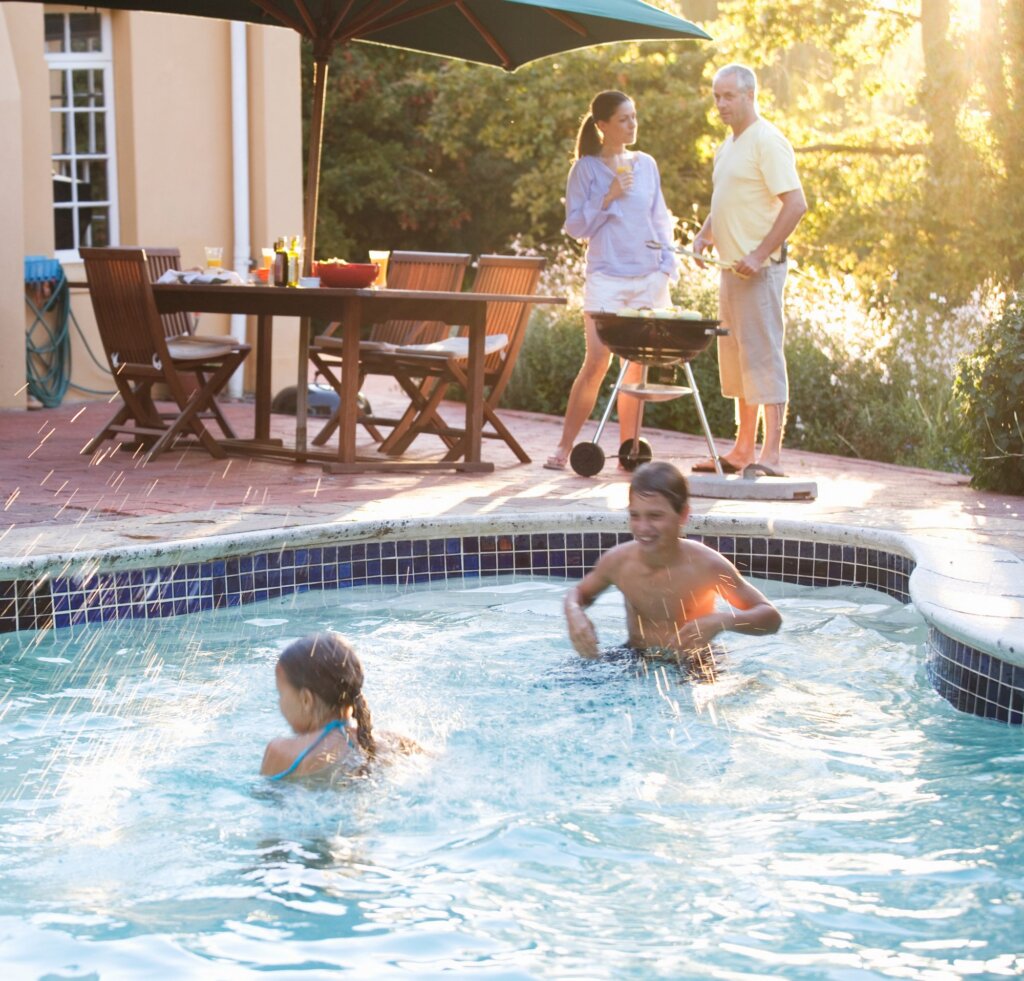
How Will You Actually Use the Pool?
Before choosing a shape, size, or finish, think about how you’ll use the pool most often.
Families with young children might value large steps, shallow wading areas, clear sightlines, and safety fencing. Someone who plans to swim for exercise might care more about length. If entertaining is a priority, patio space, seating, lighting, shade, and room for people to move around safely will matter too.
Think into the future. Children grow, households change, and the way you use your backyard could shift over time. A design that fits your real routines will usually serve you better than one chosen mainly because it looked good in a photo.
Does The Yard Fit Your Ideal Pool?
A pool builder should evaluate more than the amount of open space in your yard. Slope, soil conditions, drainage, trees, retaining walls, existing patios, property setbacks, underground utilities, and construction access could all affect where the pool can go and how complicated installation becomes.
You should also ask about access early in the planning process. A pool might fit in your yard comfortably on paper, but additional work might be needed if excavators or other machinery can’t easily reach the backyard.
Make sure you also note sun and shade positions. A sunny spot can help warm the pool water, while shade can make the surrounding area more comfortable. Trees can provide privacy, but they may also drop leaves, seeds, and other debris into the water.
Which Type of Pool Makes the Most Sense?
There isn’t one pool type that works best for every property. Your budget, yard, design preferences, and maintenance expectations should all influence the decision.
Concrete Pools
Concrete pools offer substantial flexibility in shape, size, depth, and finish. They’re well suited to customized designs but can involve a more complex installation process and additional surface maintenance over time.
Fiberglass Pools
Fiberglass pools arrive as manufactured shells, so shapes and sizes are more limited. Installation can move relatively quickly once the site is ready, and their smooth surface can simplify some maintenance.
Vinyl Liner Pools
Vinyl liner pools can offer flexibility in shape and might have a lower initial cost than some other in-ground options. The liner will eventually need replacement, so include that in your long-term budget.
Above-Ground Pools
Above-ground pools generally require less excavation and can involve a smaller upfront investment. They still need a stable site, proper equipment, safe access, maintenance, and attention to local requirements.
When comparing options, ask about long-term maintenance and replacement costs along with the installation price.
What Safety Features Should You Plan From the Start?
Pool safety should be part of the earliest design conversations. Depending on your property and local requirements, that could include:
- Fencing around the pool area
- Self-closing and self-latching gates
- Door or window alarms
- A safety cover
- Good lighting
- Clear sightlines from the house and seating areas
- Secure storage for pool chemicals
Local codes can set specific requirements for barriers, gates, setbacks, alarms, and other features. Find out what applies to your property before the design is finalized.
Note: Safety features don’t replace active supervision when children or pets are around the water.
Have You Planned the Space Around the Pool?
It’s easy to focus so much on pool dimensions that the rest of the backyard becomes an afterthought. Think about how people will move through the space. Is there enough room for seating and shade? Can several people walk around the pool comfortably? Where will towels and bags go? Can gates or doors open without interfering with furniture?
Patios, walkways, lighting, drainage, landscaping, and shade structures will all affect how the space functions. Materials around the pool should also be suitable for regular water exposure and provide secure footing when wet. Planning these elements together can prevent awkward compromises later, even if some improvements will be completed in phases.
What Equipment and Maintenance Should You Expect?
Pool equipment affects water quality, comfort, noise, maintenance, and operating costs.
Your system could include a pump, filter, heater, sanitizing equipment, automatic controls, lighting, and an automatic cleaner. Ask what each component does and whether it makes sense for the way you’ll use the pool.
Every pool will also need regular care. That typically includes testing and balancing the water, removing debris, cleaning surfaces and filters, and checking equipment. Find out where the equipment pad will sit, whether you’re likely to hear it from bedrooms or gathering areas, and how easily it can be reached for service.
Before construction, decide whether you expect to handle most of that work yourself or hire a pool service. Either way, include the time and recurring expense in your plans.
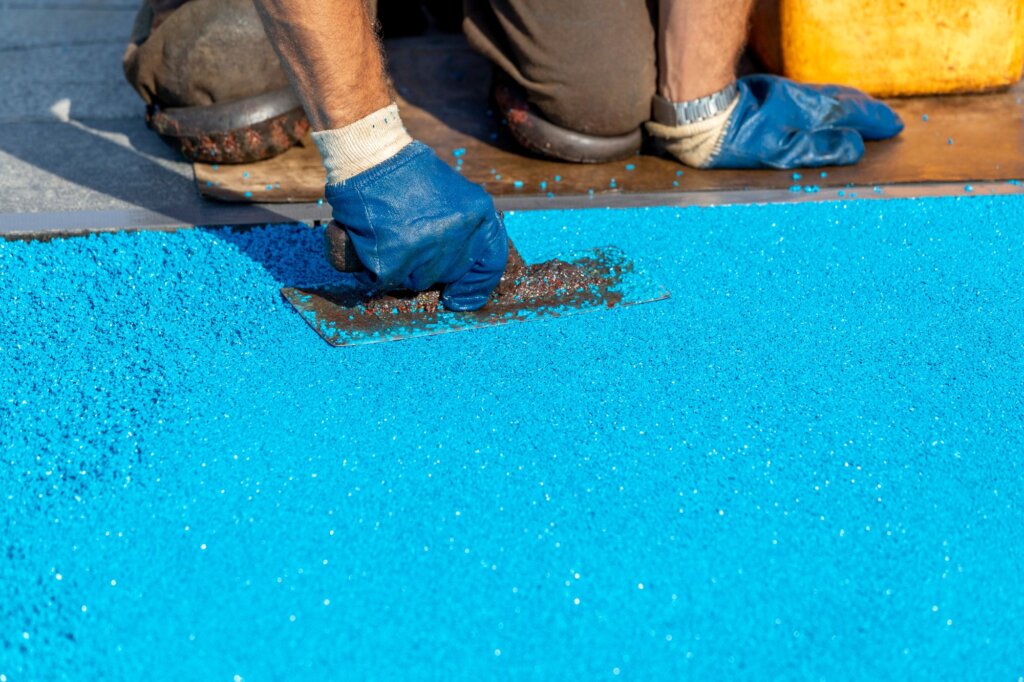
What Should Be Included in Your Pool Budget?
The price of the pool itself doesn’t tell you everything you’ll spend creating the finished space. Depending on the project, your budget could also include:
- Excavation and site preparation
- Permits and inspections
- Electrical and plumbing work
- Fencing and gates
- Pool equipment and heating
- Patio or decking
- Drainage and retaining walls
- Landscaping and lighting
- Covers, furniture, and shade
- Maintenance supplies or professional service
- Yard restoration after construction
Construction equipment can disturb grass, planting beds, irrigation lines, fences, and walkways. Ask what kind of restoration is included in the contract and what you’ll be responsible for afterward.
Getting detailed written estimates will make proposals easier to compare. Look closely at allowances, optional upgrades, exclusions, and anything listed as owner-provided.
What Should You Ask Your Pool Builder Before Hiring?
A good conversation before construction can prevent misunderstandings later. Consider asking these questions before moving forward with a pool contractor:
- What pool type and layout would you recommend for this property, and why?
- What site conditions could change the price?
- What’s included and excluded from the estimate?
- Who’ll handle permits and inspections?
- How will construction equipment reach the yard?
- Where will the pool equipment be located?
- What maintenance should I expect?
- What warranties apply to the pool and equipment?
- Who handles service or warranty calls after installation?
- How are changes and additional charges approved?
Clear answers should give you a strong understanding of the project before you sign a contract.
How Disruptive Will Installation Be?
Pool installation can involve excavation, trucks, material deliveries, noise, workers moving through the property, and periods when the backyard is difficult to use. Ask how crews will access the yard, what areas are likely to be disturbed, where excavated soil will go, and whether existing fencing will need to be removed.
Weather, permits, inspections, materials, and design changes can all affect the project’s schedule. Understanding the process can make it easier to plan around children, pets, outdoor gatherings, and access to the rest of your property.
Frequently Asked Questions
How early should I start planning when installing a pool?
Start early enough that you won’t have to rush decisions about design, contractors, permits, and site preparation. Timelines vary, so ask builders about their current lead times rather than relying on a general estimate.
Does a pool always require a fence?
Requirements depend on where you live and the type of pool you’re installing. Check with your local building or code authority to understand the rules that apply to your property.
Is a saltwater pool maintenance-free?
No. Saltwater pools still need water testing, cleaning, equipment care, and routine maintenance. A saltwater system changes how chlorine is generated, but it doesn’t eliminate pool care.
What should I compare when reviewing pool estimates?
Compare the scope of work, materials, equipment, allowances, exclusions, warranties, site restoration, and each party’s responsibilities along with the total price. A lower estimate could simply include less.
Plan for the Pool and the Life Around It
A successful pool project starts long before excavation begins. Think about how your household will use the space, whether your yard can support the design you want, and how safety, landscaping, equipment, maintenance, and long-term costs fit together.
Before choosing a builder, make sure you understand what’s included, what could change the price, who’s responsible for permits and inspections, and what you’ll need to handle after installation. Thoughtful planning can help you create a pool and backyard that fit your household, your budget, and the way you want to enjoy your outdoor space in the future.
This community resource is made possible through the generous support of local WhirLocal sponsors.