Wet and dry installation are two different application approaches used with automotive Paint Protection Film. Wet installation uses a slip solution between the film and vehicle surface to allow positioning and adjustment, while dry installation relies on direct adhesion with little or no installation fluid.
The right method depends on the film, the panel, the installer’s technique, and the manufacturer’s application requirements. For McKinney, TX drivers, understanding these differences can make it easier to discuss installation options before protecting a vehicle’s paint.
How Does Wet Installation For PPF Work
With wet installation, the vehicle surface and adhesive side of the film are treated with an appropriate application solution. This temporarily reduces initial adhesion, allowing the installer to position the film and work out excess fluid and air before the adhesive bonds.
This approach can be useful when installing paint protection film on larger panels where precise positioning is important. The installer can make controlled adjustments while minimizing premature bonding, helping the film conform smoothly to the panel’s contours.
What Is Dry PPF Installation
Dry installation involves applying the film directly to the prepared surface without relying on a slip solution. Because the adhesive begins bonding immediately, accurate positioning and controlled handling are particularly important.
Dry application may suit certain films, smaller pieces, or specific installation techniques, but follow the film manufacturer’s instructions.
Which PPF Installation Method Is Better
There is no universal answer. Wet and dry installation each have applications, and the choice should be based on the specific film and panel rather than assuming one technique is always superior.
| Installation Method | General Characteristic |
| Wet installation | Allows positioning and adjustment before final adhesion |
| Dry installation | Uses direct contact between adhesive and prepared surface |
| Method selection | Depends on film, panel, and manufacturer guidance |
Installation conditions can also matter. McKinney vehicles regularly encounter intense sun, heat, dust, and road debris, making proper surface preparation and application technique important regardless of the method used.
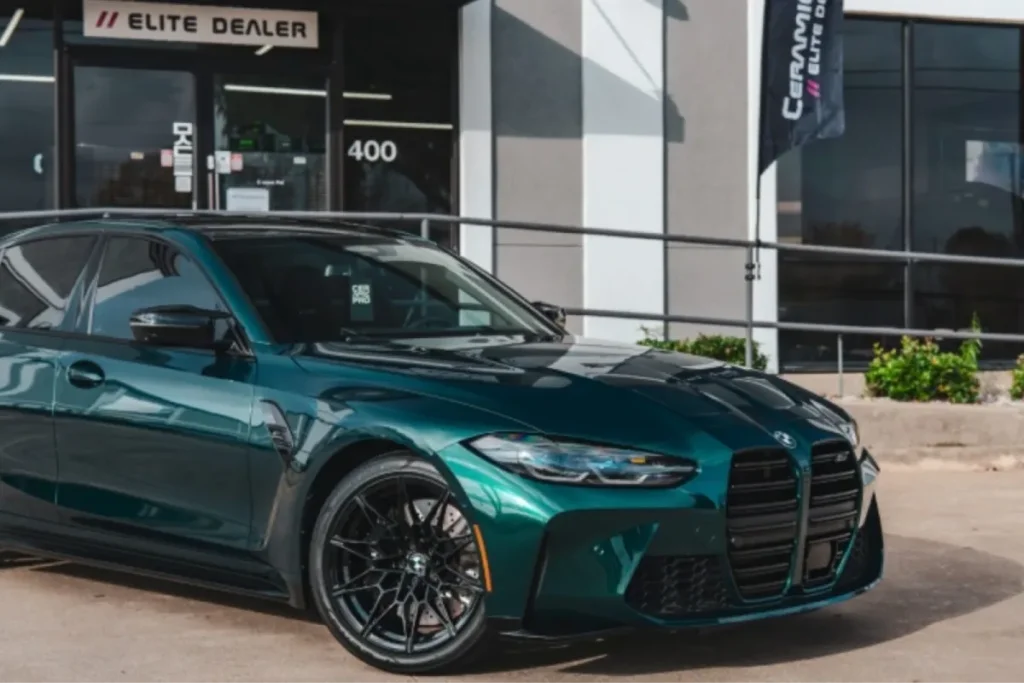
Is PPF Practical For A Vehicle That Is Kept As A Weekend Car
Even a vehicle driven less frequently can encounter stone chips, insects, road contaminants, and environmental exposure. If you’re considering whether Paint Protection Film makes sense for limited-use vehicles, Is PPF Practical For A Vehicle That Is Kept As A Weekend Car can help put the protection decision into perspective.
Ultimately, the goal is a clean application that conforms properly to the vehicle’s contours and stays securely bonded.
For McKinney-area vehicle owners, MSD Auto Finish can be a local resource for discussing Paint Protection Film installation and determining the right approach for a particular vehicle and film.
The Takeaway
Wet installation provides positioning flexibility through an application solution, while dry installation relies on direct adhesion. Neither method is automatically appropriate for every project. The film manufacturer’s requirements, panel characteristics, and installation conditions should guide the decision.
Featured Place
MSD Auto Finish | Ceramic Pro McKinney
901 N McDonald St
McKinney, Texas 75069
(469) 224-0495