When automotive paint looks faded, chalky, or less vibrant, oxidation may be part of the problem. Paint correction uses controlled machine polishing to refine the finish, reduce oxidation and surface haze, and restore a clearer reflection. For Indian Land drivers, understanding the process helps protect a vehicle’s finish.
Why Does Automotive Paint Become Dull?
A vehicle’s exterior faces constant exposure to sunlight, moisture, pollen, road film, airborne contaminants, and repeated washing. Over time, these conditions can affect the clear coat and make the finish appear less glossy. Frequent driving can add grime and debris, particularly on vehicles used regularly.
Oxidation can make paint look cloudy, faded, or chalky. Instead of reflecting light sharply, the surface scatters light and loses some of its depth and clarity.
How Does Paint Correction Address Oxidation?
Paint correction generally involves machine polishing with compounds and pads selected according to the paint’s condition. The process carefully refines the uppermost portion of the finish to improve smoothness and optical clarity.
Depending on the vehicle, correction may reduce:
- Oxidized or hazy areas
- Swirl marks and fine surface defects
- Water-spot etching
- Uneven gloss
- Light paint imperfections
Results depend on paint thickness, clear-coat condition, defect depth, and previous polishing. Severe oxidation or deeply damaged paint may not be safely removable through aggressive polishing.
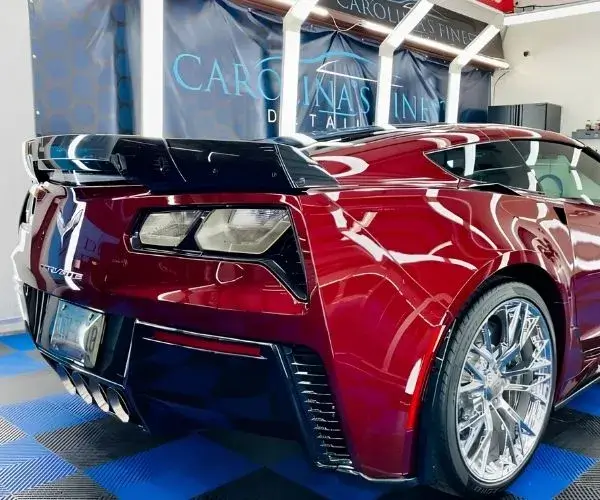
How Does Paint Correction Remove Swirl Marks and Surface Defects?
Oxidation is only one reason a vehicle can lose its clarity. Swirl marks and other fine defects can also scatter reflected light, making paint appear dull even when oxidation is limited. Understanding How Does Paint Correction Remove Swirl Marks and Surface Defects can help vehicle owners see how polishing addresses different types of surface imperfections.
This distinction matters because correction is not simply about making paint shinier. The process involves assessing the finish, selecting an appropriate polishing approach, and removing only what can be safely corrected.
Is Paint Correction the Same as Waxing?
No. Waxing adds a protective layer and can enhance gloss, while paint correction refines the underlying finish. Wax, sealants, or other protective products may be applied afterward, but they do not perform the same corrective function.
When Should Drivers Consider Paint Correction?
A vehicle may benefit from evaluation when washing no longer restores its gloss, reflections appear cloudy, or the paint looks noticeably faded. Proper washing and decontamination should come first because surface contaminants can interfere with polishing.
For Indian Land drivers, Carolina’s Finest Detailing offers a local resource for evaluating paint condition and determining whether paint correction is appropriate. The right approach should reflect the vehicle’s finish rather than relying on unnecessarily aggressive polishing.
A Practical Takeaway
Dull, oxidized paint is not automatically beyond improvement. Paint correction can restore clarity and gloss when the affected surface can be safely refined. Understanding the condition of the paint before polishing helps preserve the finish while improving its appearance. Carolina’s Finest Detailing can help local vehicle owners determine an appropriate correction approach for their needs.
Featured Place
Carolina’s Finest Detailing, Ceramic Coatings, and Paint Protection Film (PPF)
1407 N Rocky River Rd
Monroe, North Carolina 28110
(337) 319-2889