Businesses of every size depend on technology every day, from email and cloud storage to payment systems and shared files. But while many companies rely heavily on these tools, cybersecurity often gets less attention than it should—especially for smaller teams.
That can create real risk. A single weak password, outdated device or software, or careless click can lead to data loss, downtime, or financial headaches. Luckily, many small office cybersecurity problems are not deeply technical. They typically start with everyday habits and decisions that can be improved.
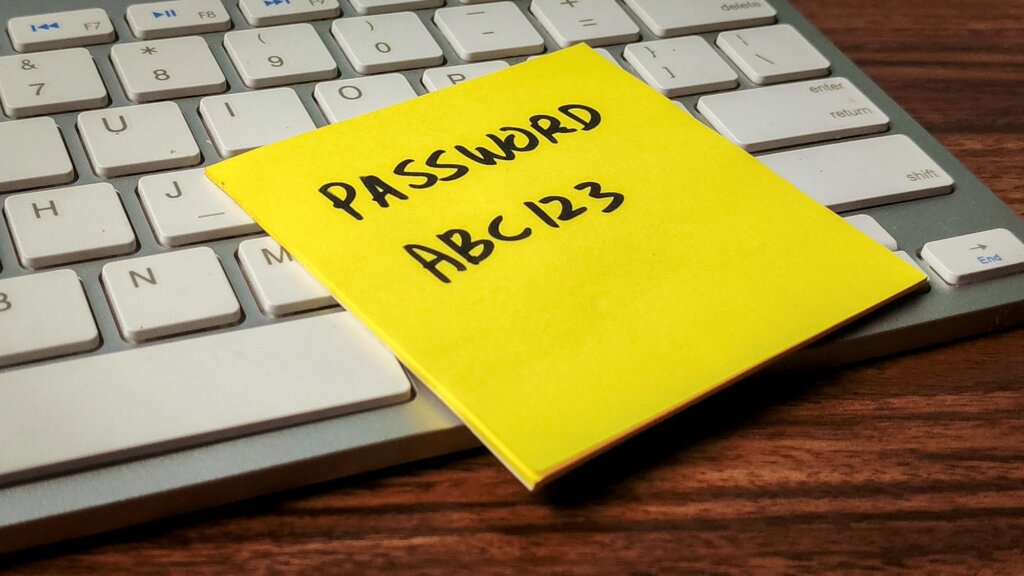
Reusing Weak Passwords Across Multiple Accounts
One of the most common mistakes is still one of the simplest: weak or reused passwords. When the same login is used across multiple systems, one compromised account can quickly create a much bigger problem.
Strong password practices are important because they create a first layer of protection. Even a small change, such as using unique logins for every site, can reduce unnecessary risk.
Skipping Multi-Factor Authentication
Many businesses know about multi-factor authentication, but not all of them have made it a standard practice. That leaves accounts more exposed than they need to be. Even if you have a strong password, bad actors can gain access if those credentials are leaked through a data breach. If there’s an additional authentication method in place, it makes their job much harder.
Adding another step to the login process can feel slightly inconvenient, but it can make a major difference in preventing unauthorized access. For small offices, that extra layer can be one of the easiest security improvements to put in place.
Ignoring Software and Device Updates
Updates are easy to postpone, especially during a busy period. But outdated software, operating systems, and devices can leave known vulnerabilities open longer than necessary. Staying up-to-date doesn’t solve every cybersecurity issue, but it does help close common gaps that might be exploited. Make sure you or your team regularly plan updates or set up auto-updates.
Assuming Employees Already Know What to Watch For
Cybersecurity is not solely an IT issue. Even if you have a dedicated IT department, employees make daily decisions that affect security. This includes opening email attachments, clicking links, using shared networks, or handling customer information.
A business may have decent tools in place and still face risk if staff members are not trained to recognize common threats. Even brief, practical training can help reduce mistakes that lead to bigger problems.
Having No Plan for What Happens If Something Goes Wrong
Some small offices focus on prevention but never think through response. If an employee clicks on a suspicious link or a device is compromised, not having a plan can make the situation worse.
A basic response plan can help businesses act faster and more calmly. Knowing who to contact, what systems to isolate, and how to handle next steps is part of good cybersecurity too. This is when a trusted cybersecurity professional can be especially helpful.
Better Habits Can Help Protect Your Business
Cybersecurity does not have to feel overwhelming to be impactful. Small offices often reduce risk most by fixing the basics, improving daily habits, and building a more thoughtful approach to protection. A few smart changes can go a long way toward keeping systems, data, and daily operations more secure. If you have questions or would like to have professional help, contact a trusted cybersecurity firm in your area.
This article is meant for informational purposes only and does not contain professional cybersecurity advice.