If your home feels too warm in the summer even with the AC running, your attic insulation might be part of the problem. A properly insulated attic can help keep indoor temperatures more stable throughout the year.
At a Glance
Proper attic insulation can help:
- Maintain cooler temperatures in the summer and warmer temperatures in the winter
- Reduce heat transfer between the attic and living areas
- Improve indoor comfort and reduce hot or cold spots
- Improve your HVAC system’s efficiency and reduce strain placed on equipment
- Lower unnecessary energy use
If your home has uneven temperatures, rising energy bills, or old and deteriorating insulation, it could be worth having the attic evaluated by a professional.
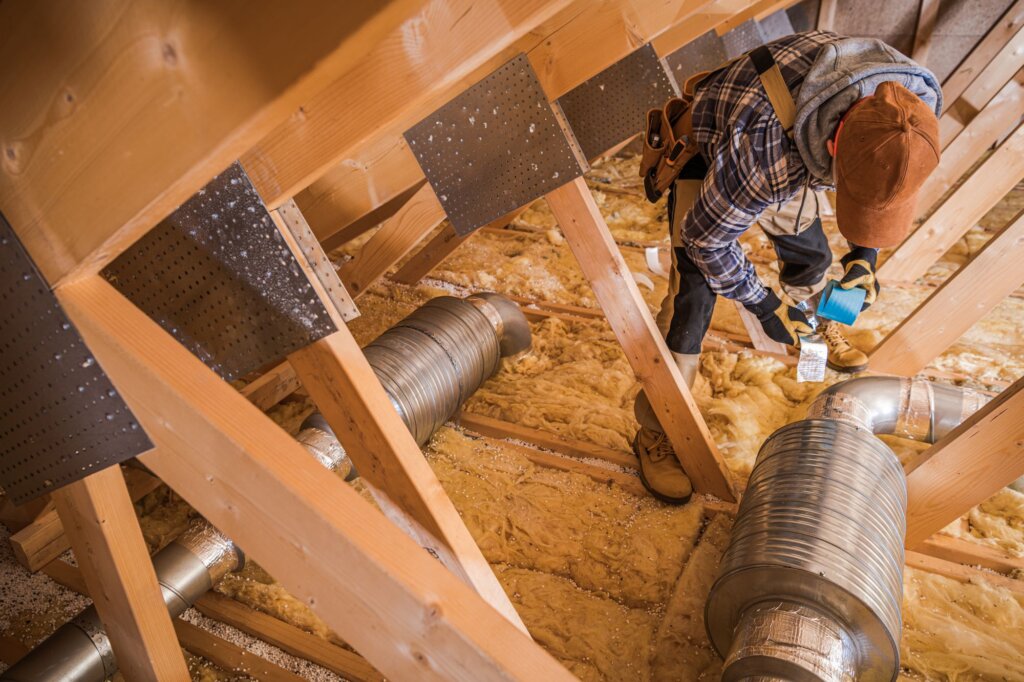
Why Does Attic Insulation Matter in Warm Weather?
On a hot summer day, attic temperatures can climb well above the temperature inside your home. Without enough insulation and proper ventilation, that heat can make it harder to keep the rooms below comfortable. Your air conditioner might have to run longer to compensate, which can increase energy use and contribute to uneven temperatures throughout the house.
Attic insulation helps slow the transfer of heat between the attic and your living space. When the attic is properly insulated, your cooling system doesn’t have to fight as much heat entering from above.
How Does Attic Insulation Help in Cold Weather?
Insulation works in both directions. During the winter, it helps slow the movement of heat out of your living space and into the attic. If there isn’t enough insulation, your heating system might have to run more often to maintain a comfortable temperature.
Heat escaping into the attic can also contribute to conditions that lead to ice dams in colder climates. These ridges of ice form along roof edges and might allow water to back up beneath roofing materials. Proper attic insulation can help your home stay warmer, reduce drafts, and limit unnecessary heat loss during colder months.
Is it Time to Upgrade Your Attic Insulation?
If your attic isn’t properly insulated, you might notice the following signs:
- Rooms that are too hot in the summer: Some areas of the home may feel noticeably warmer than others.
- Rising energy bills: Your HVAC system could be running longer to maintain the temperature you’ve set.
- Inconsistent indoor temperatures: Poor insulation can contribute to noticeable hot and cold spots.
- Old or deteriorating insulation: Insulation that’s thin, compressed, damaged, or deteriorating may not perform as well as it once did.
However, these signs don’t always mean insulation is the only problem. HVAC issues, air leaks, windows, ductwork, and other parts of the home can create similar issues. An attic assessment can help identify what’s actually contributing to the problem.
What Are the Benefits of Updating Attic Insulation?
Improving attic insulation in your home can provide several benefits.
Better Energy Efficiency
Insulation slows down unwanted heat transfer between your attic and your living space, which can reduce the amount of work your HVAC system needs to do.
More Consistent Indoor Comfort
Better insulation can help reduce temperature swings year-round and make rooms throughout the house feel more consistent.
Less Strain on HVAC Equipment
If your heating and cooling system doesn’t need to run as often to compensate for heat gain or heat loss, it could experience less unnecessary wear over time.
Is It Time to Upgrade Your Attic Insulation?
If you’re dealing with uneven temperatures, uncomfortable rooms, rising energy use, or visibly deteriorated insulation, an attic assessment can help you understand what’s going on. A professional can evaluate the existing insulation, look for areas where coverage is lacking, and determine whether air sealing, ventilation, or other improvements should also be considered.
The right solution will depend on your home, the condition of the attic, and what’s causing the comfort or efficiency problem.
Frequently Asked Questions
How can I tell if my attic has enough insulation?
The amount of insulation you need can depend on your climate, the type of insulation already installed, and how your home was built. If the insulation looks thin, uneven, compressed, or damaged, an assessment can help determine whether more is needed.
Can I install new insulation over existing insulation?
In some cases, yes. Existing insulation might be left in place if it’s dry, clean, and in good condition. Damaged, contaminated, or moisture-affected insulation could need to be removed first.
Can poor attic insulation make my upstairs hotter?
It can contribute to the problem. Heat in the attic may transfer into rooms below when insulation is insufficient, which could make upper floors harder to cool.
Will new attic insulation lower my energy bills?
Better insulation can reduce unwanted heat transfer and help your HVAC system operate more efficiently. Actual savings will vary based on the home, climate, energy costs, HVAC equipment, air sealing, and the condition of the existing insulation.
Should attic ventilation be checked at the same time?
Yes. Insulation and ventilation perform different jobs, but both can affect how the attic functions. An assessment should consider the overall attic rather than looking at insulation alone.
A More Comfortable Home Starts Above You
Attic insulation is easy to overlook because you don’t see it every day, but it plays an important role in your home’s comfort and energy performance throughout the year.
If temperatures feel inconsistent or your insulation is old or deteriorating, taking a closer look at the attic can help you understand whether an upgrade makes sense. A qualified local professional can evaluate the space and recommend improvements based on your home’s actual needs.
This community resource is made possible through the generous support of local WhirLocal sponsors.