Basements and crawl spaces are naturally more vulnerable to moisture than other parts of a home. They sit below ground level, where rainwater, soil conditions, drainage issues, plumbing leaks, and humidity can all play a role. Sometimes the signs of moisture are obvious, like standing water after a storm. Other times, the clues are more subtle.
A sump pump can be an important part of managing water around a home’s foundation. It isn’t the only piece of the moisture-control puzzle, but it can help move water away before it collects where it shouldn’t. For homeowners, understanding how sump pumps work and what basement moisture warning signs look like can make it easier to take action early.
A Sump Pump’s Job
A sump pump is usually installed in a pit (often called a sump basin) at the lowest point of a basement or crawl space. When water collects in the basin, the pump turns on and moves that water away from the home through a discharge line.
The goal is simple: keep water from building up around or beneath the home. This can help reduce the risk of basement flooding, water damage, musty odors, and moisture-related problems.
Sump pumps are especially common in homes with basements, homes built in areas with high groundwater, or properties that have had water intrusion in the past. They may also be recommended when drainage around the foundation is not enough on its own.
Common Signs of Basement Moisture
Not every moisture problem turns into a flooded basement. In fact, many issues start with smaller signs that are easy to dismiss.
Homeowners should pay attention to musty smells, damp spots on walls or floors, peeling paint, bubbling drywall, warped baseboards, rust on metal items, or visible mold growth. Efflorescence, which looks like a white powdery residue on concrete or masonry, can also be a sign that water has moved through the surface and left minerals behind.
Condensation on pipes or windows may also point to humidity issues. Water stains near the floor or along foundation walls can suggest seepage. If stored boxes or furniture in the basement feel damp, it’s worth taking a closer look. Seasonal dampness, while not year-round, can also lead to moisture damage over time.
Why Moisture Problems Should Not Be Ignored
Water has a way of finding weak spots. For example, a small seepage issue can become more noticeable during heavy rain, snowmelt, or changes in soil conditions. Moisture can damage flooring, walls, insulation, stored belongings, and finished basement spaces.
It can also create conditions where mold and mildew are more likely to grow. This can affect indoor air quality and make the basement less comfortable to use.
Foundation-related moisture should be taken seriously as well. Water pressure against foundational walls can contribute to cracks, leaks, or movement in some situations. It’s smart to have persistent moisture checked by a professional.
How Drainage Affects the Basement
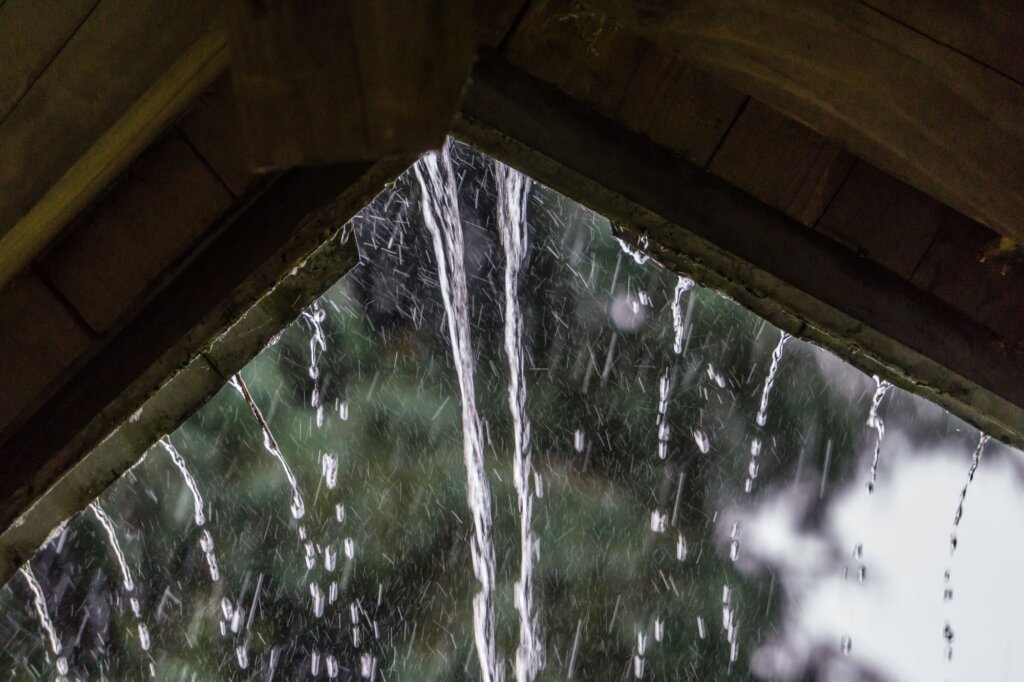
A sump pump helps manage water that reaches the sump basin, but exterior drainage plays an important role in keeping water out of the basin in the first place. Gutters, downspouts, grading, soil, and landscaping all affect how water moves around a home.
Downspouts should direct water away from the foundation. Gutters should be kept clear so rainwater does not spill over near the house. Soil should generally slope away from the home instead of directing water toward it.
Landscaping can also make a difference. Mulch, planting beds, patios, walkways, and retaining walls may change how water drains. If water regularly pools near the foundation after rain, the sump pump might be working harder than it should.
A waterproofing professional can help homeowners understand whether the issue is inside, outside, or a combination of both.
Sump Pump Warning Signs
It’s easy to forget about a sump pump until it stops working as it should. Checking it regularly can prevent unpleasant surprises and expensive problems.
Warning signs of a bad sump pump include unusual noises, constant running, failure to turn on, failure to shut off, visible rust, bad odors from the basin, or water sitting in the pit without being pumped out. If the pump vibrates heavily or seems to struggle, it could be clogged, aging, or improperly positioned.
Homeowners should also pay attention during heavy rain. If the pump can’t keep up, runs nonstop, or the basement still gets wet, it might be undersized or there may be another drainage issue.
Most sump pumps have a limited lifetime and don’t last forever. If yours is older or has already needed several repairs, replacement could be worth discussing before the next major storm.
Why Backup Power Matters
Many basement water problems happen during storms, and storms can also cause power outages. Having a backup power source might be worth considering if you live in an area with frequent storms.
A battery backup system can keep the sump pump working for a limited time if the power goes out. Some homes may also use a water-powered backup pump, depending on the plumbing system and local requirements.
Backup systems are especially important for finished basements, homes with a history of flooding, or properties where the sump pump runs often. Without backup power, even a good pump can leave the basement vulnerable during the exact moment it is needed most.
Basic Maintenance for Homeowners
Homeowners can do a few simple checks to help keep a sump pump in better condition:
- The basin should be clear of debris
- The pump should sit upright
- The float should move freely
- The discharge line should be clear and direct water away from the home
Make sure you also test the pump. Pouring water into the basin should cause the pump to turn on, remove the water, and shut off properly. If it doesn’t, it’s time to call a professional.
The discharge line should also be checked outside. If water discharges too close to the foundation, it could drain back toward the house. In cold weather, the line should be watched for freezing or blockage.
For a more thorough inspection, a plumber or basement waterproofing professional can check the pump, basin, discharge route, check valve, and backup system.
When to Call a Professional
Homeowners should call a professional if they see recurring water, foundation cracks, mold growth, strong musty odors, sump pump failure, or water entering after storms.
A plumber may be the right call when the problem appears connected to a pipe, water heater, sump pump, drain line, or fixture. A basement waterproofing company may be better suited for seepage, foundation drainage, sump system upgrades, or recurring dampness. A water damage restoration company can help when there has already been flooding or damage to finished materials.
Getting the right professional involved can prevent guesswork and protect the home from bigger repairs.
A Drier Basement Starts With Paying Attention
Basement moisture is easier to manage when homeowners know what to watch for. Musty odors, damp walls, water stains, and sump pump problems should not be brushed aside, especially if they happen more than once.
A working sump pump, good drainage, backup power, and regular maintenance can all help reduce the risk of water damage. When concerns keep coming back, a trusted local professional can inspect the situation and recommend the right next step for the home.
This community resource is made possible through the generous support of local WhirLocal sponsors.