Native plants are a practical way to create a garden that is beautiful, durable, and easier to care for over time. Because these plants are naturally suited to local soil, rainfall, and climate conditions, they often grow more successfully than non-native varieties with less intervention.
Once established, many native species need less water, less fertilizer, and fewer chemical treatments than traditional landscape plants. That can make a big difference for homeowners who want a yard that looks great and feels dependable without demanding constant upkeep.
Why Native Plants Are a Smart Choice
A resilient garden starts with plants that can thrive in the environment around them. Native plants do exactly that. Instead of fighting against local conditions, they work with them, which helps you create a yard that feels healthier and more balanced.
Some of the most appealing benefits of native plants include:
- Lower water needs after establishment
- Less reliance on fertilizers and pesticides
- Better long-term value through reduced upkeep
- Improved soil stability and reduced erosion
- Stronger support for pollinators and wildlife
Support for Pollinators and Wildlife
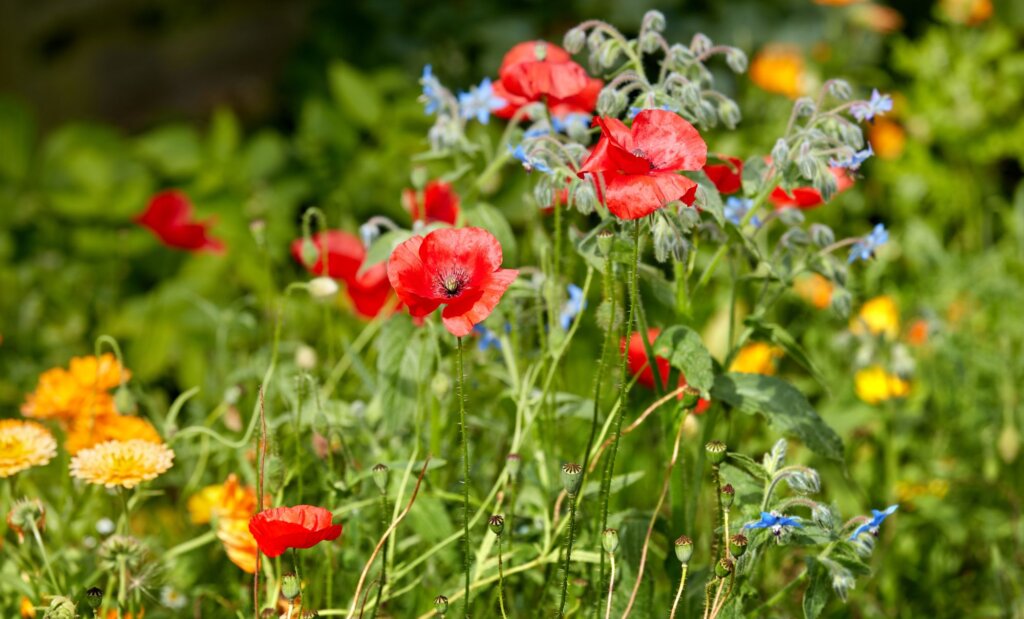
Native plants also play an important role in supporting the ecosystem around your home. Bees, butterflies, birds, and other wildlife often rely on native plants for nectar, pollen, seeds, shelter, and habitat. Because these plants and wildlife have developed alongside one another over time, they often have a stronger connection than non-native ornamental plants can provide.
Even a small garden can make an impact for pollinators who visit your yard. Native plants, from flowers and shrubs to grasses, can provide important sources of food throughout the year. Your yard will feel more lively and full of movement with these wildlife visitors. It also means your landscape is not only working better for you, but also contributing to the health of the environment around it.
Healthier Soil and Water Management
Another major benefit of native plants is what happens below the surface. Many native species develop deep root systems that help the soil absorb and hold water more effectively. These roots can also help reduce runoff, limit erosion, and stabilize slopes or problem areas in the yard.
This makes native planting especially useful in spaces where grass struggles, water tends to collect, or soil washes away easily. Over time, a well-planned native garden can help improve the overall performance of your landscape and reduce some of the common maintenance frustrations other homeowners face.
Tips for a Native Garden That Looks Neat and Intentional
Some people worry that native gardens will look wild or unstructured. In reality, the look depends on the design. While some appreciate the wild nature, native plants can also be used to create a landscape that feels polished, organized, and inviting.
A few simple strategies can help:
- Group plants by similar light, soil, and moisture needs
- Repeat a few key plants for a more cohesive appearance
- Add shrubs, grasses, or evergreens for structure
- Use edging, paths, rocks, or mulch to define planting areas
- Choose varieties with staggered bloom times for season-long interest
These details can make your garden feel more intentionally structured while still offering the practical benefits of native planting.
A Better Fit for Long-Term Gardening
Native plants build a strong foundation for homeowners who want a landscape that can handle real conditions with less effort. They support pollinators, improve soil health, reduce resource use, and bring natural beauty to outdoor spaces in a way that feels long-lasting.
For anyone thinking about refreshing your yard or reworking a garden bed, native plants are worth considering. A local nursery, garden center, or landscape professional can help you choose varieties that fit your space, your style, and the conditions in your yard.