Trees, when healthy, do a lot more than just fill space in a yard. They provide shade, add privacy, create habitats for wildlife, and make outdoor spaces feel more established and inviting. They can also boost the overall look, curb appeal, and value of a property.
This is why it’s helpful to notice signs of trouble. A tree that looks slightly off may be dealing with disease, pest damage, or structural weakness that can become a much bigger (or dangerous) problem later. Knowing what to watch for can help homeowners take action before a minor issue turns into a safety concern or an expensive removal.
Signs of Trouble to Watch For
Trees usually show warning signs when something is wrong. Some changes are easy to overlook at first, especially if they happen gradually, but small issues can point to larger problems below the surface.
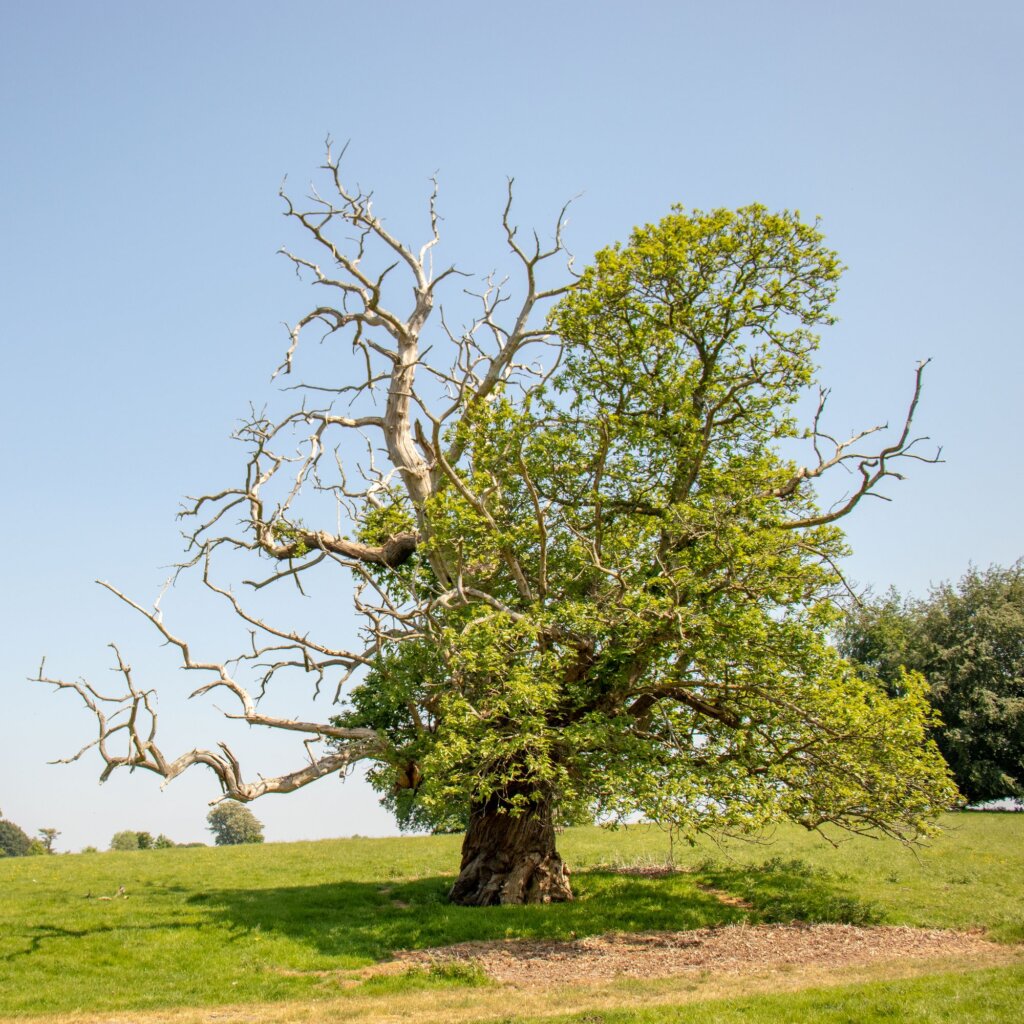
Leaf Problems
Leaves typically provide one of the first clues that something is wrong with the tree. Browning, yellow spotting, curling, or distorted leaves during the growing season could signal disease, stress, or pest activity. If those changes show up well before fall, the tree might need closer attention.
Thin Canopy or Early Leaf Drop
A full canopy is usually a sign of a healthy tree. If branches start losing leaves too soon or the tree looks thinner than usual, it might be struggling with stress, disease, or insect damage.
Bark Changes
Cracked bark, peeling areas, sap leaking from the trunk, or dead-looking patches can all be signs that something is affecting the tree’s health. In some cases, fungal growth or cankers may also appear, which can point to decay or infection.
Dying Branch Tips
When the ends of branches start turning brown or fail to grow properly, that may be a sign of dieback. This is especially important to watch for on evergreens and pines, where damaged shoots and discolored needles can indicate disease.
Insect Damage
Some pests leave very visible evidence behind. Small exit holes in the bark, unusual peeling, or tunneling beneath the bark could point to destructive insects. If a tree suddenly declines and you also notice bark damage, it’s worth having it checked by a professional.
Stress From Weather and Environmental Conditions
Trees can also struggle because of changing weather patterns and environmental stress. Long dry stretches or drought, excessive moisture, strong winds, temperature swings, and storm damage can all weaken a tree over time.
You might notice drooping limbs, browning leaf edges, split bark, or an overall unhealthy appearance after periods of extreme weather. Once a tree is stressed, it often becomes more vulnerable to insects and disease.
What Homeowners Can Do
Routinely observing your trees goes a long way for their health. Make a habit of taking a few minutes to look over the trees in your yard, especially during seasonal changes. This might lead to you catching problems before they get worse.
Check Trees Regularly
Pay attention in early spring, throughout the growing season, and after major storms. Look for anything that seems unusual, especially changes in leaves, branches, bark, or overall shape.
Water During Dry Periods
Many trees require extra support during drought conditions. Deep watering can help maintain root health, especially for younger trees or trees that are already showing signs of stress.
Mulch Correctly
Mulch can help the soil hold moisture and protect the roots, but it should be kept away from the trunk. Leaving a little space around the base helps reduce the risk of rot and other moisture-related issues.
Prune Carefully
Dead or damaged branches should be removed when conditions are appropriate. Proper pruning can reduce strain on the tree and help limit the spread of certain pests or diseases.
Bring in a Professional When Needed
If a tree shows major dieback, visible decay, leaning, cracking, or other signs of instability, it is smart to contact a licensed arborist or tree care professional. A trained eye can often tell whether a tree can be treated, pruned, or needs to be removed for safety.
Early Action Can Be The Difference-Maker
In some cases, catching problems early means a tree can be treated or stabilized before the damage becomes severe. Early action may also prevent falling branches, damage to nearby structures, or the loss of a mature tree that adds beauty and value to the property.
Waiting too long can limit your options. What starts as a small health issue might lead to major decline, costly removal, or a hazard near a home, driveway, or walkway.
Protecting the Trees That Add So Much to Your Property
Trees are a long-term part of your landscape. In many cases, they’ll be around longer than you will. They provide shade, character, and natural beauty, and they often become one of the most noticeable features in a yard. Hiring a tree care professional when you see early signs of disease, pest damage, or instability can help protect the steady fixture that will be there with you throughout your life.