It’s easy to take your vision for granted, until things start looking a little blurry. Many people—even those who already wear glasses—assume that unless they’re struggling to see, there’s no need for an eye exam. But even small changes in your vision can impact daily activities like reading, driving, and using electronic devices.
But how do you know if you need to schedule an eye exam? Here are a few of the common signs indicating you might need a new prescription.
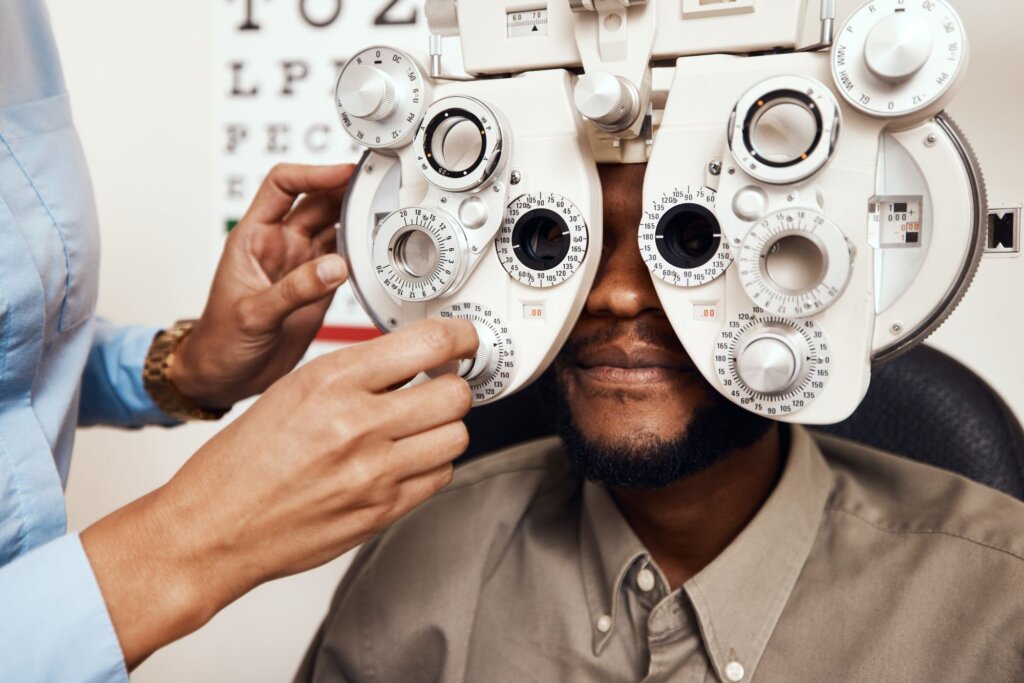
1. Blurred or Fuzzy Vision
If you’ve noticed that objects aren’t as sharp as they used to be, it’s likely time to update your glasses or contacts. Blurry vision can happen gradually, making it easy to overlook until it starts interfering with daily tasks.
2. Frequent Headaches
Straining to see clearly can put extra stress on your eyes, which may lead to headaches. If you’ve been dealing with more frequent headaches, especially after reading, using a computer, or driving, your current prescription may no longer be strong enough.
3. Eye Strain or Fatigue
If your eyes feel tired, dry, or sore by the end of the day, they might be overworking to compensate for vision changes. Staring at screens for long periods can also cause eye strain, but if you’re experiencing discomfort regularly, an outdated prescription might be to blame.
4. Difficulty Seeing at Night
If driving at night has become more challenging or you’re noticing increased glare from headlights and streetlights, your vision may have changed. Trouble seeing in low-light conditions is a common sign that it’s time for an eye exam.
5. Squinting More Often
Squinting can help sharpen vision temporarily, but if you find yourself doing it regularly, it’s a sign that your eyes are struggling to focus. If you’re constantly squinting at your phone, computer screen, coffee shop menu, or while watching TV, you should probably get your eyes checked.
6. Double Vision or Light Sensitivity
Seeing double or feeling extra sensitive to bright lights can indicate more than just a prescription change. These symptoms could signal other underlying eye conditions, making an eye exam even more important.
7. Your Glasses or Contacts Are Over a Year Old
Even if you’re not noticing major vision problems, it’s still a good idea to schedule a routine eye exam every year or two. Your prescription can change without obvious symptoms, and regular checkups help make sure your eyes are healthy.
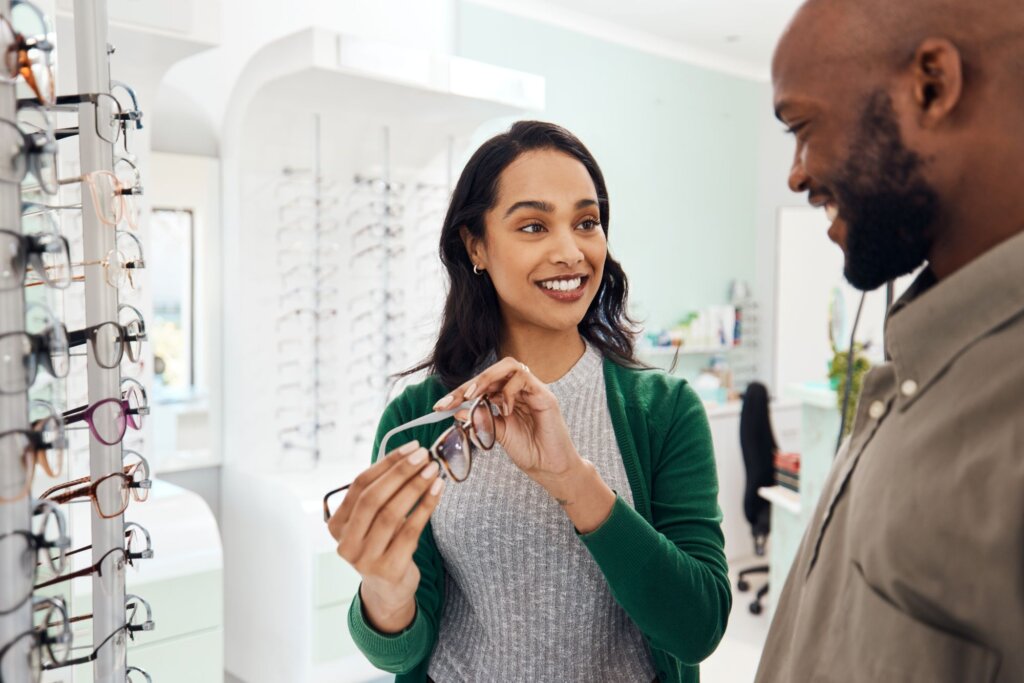
Other Benefits of Regular Eye Exams
Beyond updating your prescription, an exam can detect early signs of eye conditions like glaucoma, cataracts, and macular degeneration. An optometrist can also sometimes catch signs of diabetes, high blood pressure, and other health issues during an exam.
Don’t Wait to Prioritize Your Eye Health
If you’re experiencing any of these symptoms, scheduling an eye exam can help you see clearly and comfortably again. Regular checkups keep your vision sharp and also play a key role in maintaining long-term eye health.
If it’s been a while since your last exam, consider making an appointment with a local optometrist. Your eyes work hard every day, and taking care of them now will help keep your vision strong for the future.
This article is meant for informational purposes only and is not a substitute for professional medical advice.