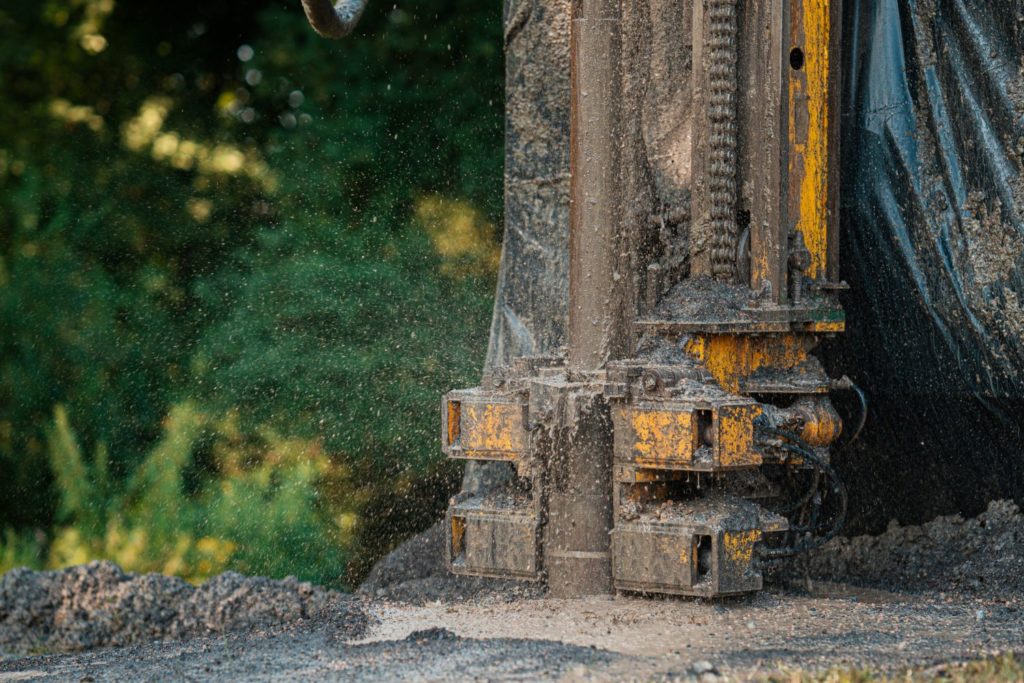
Drilling a new well or replacing part of an existing well system is a significant project. The contractor you choose can affect everything from the installation process and project cost to the reliability of your water supply afterward.

Before hiring a well drilling contractor, take time to understand their experience, the work they’re proposing, and what will happen if conditions on your property are different from expected. A detailed conversation before the project begins can help prevent confusion later.

At a Glance: What Should You Ask a Well Drilling Contractor?

Before signing a contract, ask about:

  • Licensing and insurance
  • Experience with similar wells and local conditions
  • References or recent projects
  • The proposed drilling process
  • Permits and local requirements
  • Water testing
  • Pump and pressure system options
  • Maintenance and repair services
  • Estimated costs and project timeline
  • Warranties or guarantees

The answers can also help you compare contractors on more than price alone.

1. Are You Licensed and Insured?

Start by asking whether the contractor holds the licenses required in your state or local area and carries appropriate insurance.

Well construction requirements vary by location, so don’t assume that the same rules apply everywhere. Ask for current licensing information and, if needed, verify it through the state or local agency that oversees well construction.

Insurance is important as well. Find out what coverage the contractor carries and whether subcontractors, if used, are properly covered.

A professional contractor should be comfortable answering these questions before work begins.

2. What Experience Do You Have With Wells Like Mine?

Years in business can be useful information, but experience with projects similar to yours may matter even more.

Ask about the types of wells the contractor commonly drills and whether they’ve worked on properties with similar geology, terrain, access, or water needs.

Local knowledge can be particularly helpful because groundwater conditions and drilling challenges vary from one area to another. A contractor familiar with the region may have a better understanding of typical well depths, formations, and construction issues they could encounter.

No contractor can guarantee exactly what they’ll find underground, though. Be cautious about anyone who presents uncertain drilling conditions as a certainty.

3. Can You Provide References or Examples of Recent Work?

References can give you a better idea of what it’s like to work with the contractor once the project is underway.

Ask for recent customers with projects similar to yours when possible. Useful questions for references might include whether the contractor communicated clearly, stayed close to the expected schedule and budget, and responded appropriately when something unexpected came up.

Online reviews can provide additional context, but look for patterns rather than focusing too heavily on a single glowing or negative review.

You can also ask how the contractor handles customer questions or problems after installation. That could tell you as much as the original project itself.

4. What Does the Drilling Process Look Like for My Property?

A contractor should be able to explain how the project is expected to proceed in language you can understand.

Ask where the well could be located, what equipment will need access to the property, and how the drilling area will be prepared. You’ll also want to know what happens after drilling, including casing, well development, pump installation, testing, and cleanup.

Talk about potential complications too. What happens if the contractor has to drill deeper than expected? What if the initial location doesn’t produce enough water? How would those changes affect the cost or schedule?

You may not be able to predict every possibility, but understanding the process makes it easier to recognize when the project needs to change.

5. Who Handles Permits and Local Requirements?

Well construction is typically subject to state or local requirements, which can involve permits, construction standards, setbacks, inspections, or reporting. Ask the contractor which permits are required and who is responsible for obtaining them. You should also understand whether permit and inspection costs are included in the estimate.

Requirements can vary considerably by location. A contractor who regularly works in your area should be able to explain the process or direct you to the appropriate local agency.

If something about permitting is unclear, verify it before drilling begins instead of assuming it’s been handled.

6. What Water Testing Is Included?

Private wells generally aren’t regulated or routinely monitored in the same way as public water systems. Private well owners are responsible for protecting and monitoring their drinking water.

Ask what testing will be performed after the well is completed, who collects the sample, which contaminants are included, and whether testing is done by a certified laboratory.

Current CDC guidance recommends that private well water be tested at least once a year for total coliform bacteria, nitrates, total dissolved solids, and pH. Additional testing may be appropriate depending on local geology, nearby land use, flooding, or other potential sources of contamination.

For a new well, ask what testing is required locally and what results you should receive before using the water for drinking.

7. What Type of Pump System Do You Recommend, and Why?

Drilling the well is only part of creating a usable household water system.

Ask what type and size of pump the contractor recommends, how that recommendation relates to the well depth and expected water demand, and what other components are included in the system. Depending on the project, those components could include a pressure tank, controls, wiring, piping, or water treatment equipment.

Rather than focusing only on a particular brand, ask why the proposed system fits your household or property’s needs. It’s also helpful to understand where the equipment will be located and what access will be needed for future service.

8. Do You Handle Maintenance and Repairs After Installation?

A well system will need regular maintenance after installation. Ask whether the contractor offers ongoing service for pumps, pressure systems, well components, and other equipment they install. Find out how service calls are handled and whether emergency assistance is available if the property loses water.

You may also want to ask what routine maintenance the contractor recommends. A general rule of thumb is to check a private well at least annually for mechanical problems and cleanliness in addition to regular water testing.

Knowing who you’ll call when something isn’t working can be valuable long after the drilling equipment leaves your property.

9. What Will the Project Cost, and What Could Change That Price?

Ask for a written estimate that explains what is included. Depending on the project, costs could include drilling, casing, materials, the pump system, labor, permits, testing, electrical work, trenching, excavation, cleanup, or other services.

Then ask the question that’s easy to overlook: “What could make this project cost more than the estimate?”

Well drilling involves underground conditions that can’t always be known beforehand. A well may need to go deeper than anticipated, different materials may be required, or additional work may become necessary. Ask how those situations are priced and how you’ll be notified before additional charges incur.

The same applies to timing. Instead of expecting an exact completion date, ask what the normal timeline looks like and what circumstances could delay the project.

10. What Warranties or Guarantees Come With the Work?

Ask what portions of the project are covered by a contractor warranty and whether individual equipment manufacturers provide separate warranties.

Find out:

  • What is covered
  • How long the coverage lasts
  • What isn’t covered
  • Whether labor is included
  • Who you should contact if there’s a problem
  • Whether any maintenance is required to keep the warranty valid

Make sure important warranty terms are provided in writing.

It’s also worth distinguishing between a warranty on workmanship or equipment and a promise about how much water a well will produce. Groundwater conditions can be unpredictable, so ask the contractor to explain exactly what they are and aren’t guaranteeing.

Frequently Asked Questions

How do I choose a good well drilling contractor?

Look for proper licensing, insurance, relevant experience, clear communication, and a detailed written estimate. Ask about recent projects, local drilling conditions, water testing, permits, warranties, and how unexpected changes are handled before comparing contractors.

Should I get more than one estimate for a new well?

Getting estimates from more than one qualified contractor can help you compare the proposed work, pricing structure, equipment, and contract terms. Make sure you’re comparing similar scopes of work rather than simply choosing the lowest total price.

Can a well drilling contractor tell me exactly how deep my well will be?

Usually not before drilling. Nearby wells and local experience can provide useful clues, but groundwater and geological conditions vary. Ask how the contractor estimates depth and how additional drilling will affect the price if the well needs to go deeper than expected.

Does a new well need to be tested before you drink the water?

Testing requirements vary by location, but water quality should be taken seriously before relying on a new private well for drinking. Ask what testing will be performed after construction and whether a certified laboratory will analyze the sample. Private well owners should also continue testing their water regularly after the well is in use.

How often should private well water be tested?

The CDC recommends testing private well water at least once each year for total coliform bacteria, nitrates, total dissolved solids, and pH. Testing is also recommended when the water’s taste, color, or smell changes, after flooding, and after repairs or replacement of part of the well system.

Ask the Questions Before the Drilling Starts

A well is a long-term part of your property, so the hiring decision deserves more consideration than simply comparing estimates. Ask how the contractor approaches drilling, testing, equipment, permits, unexpected conditions, and future service. Just as importantly, make sure the details that matter to you are reflected in the written agreement.

A contractor who can clearly explain both the work and its limitations gives you a better foundation for making an informed decision before drilling begins.

This community resource is made possible through the generous support of local WhirLocal sponsors.

Other WhirLocal Neighborhoods in Virginia

Alexandria Area Bristol Area Brunswick Area Charlottesville Area Chesterfield Chincoteague Island Dulles Regional Fredericksburg Region Gloucester County Halifax County Hampton Roads Harrisonburg Area Herndon Area Isle of Wight Lexington Loudoun Middlesex County Prince William Richmond Richmond Area Roanoke Region Tysons Region Vienna Virginia Beach Winchester Area Wise County
27