Artificial turf can be more cost-effective than natural grass over its full lifespan, but the answer depends on installation costs, maintenance habits, water use, lawn size, and how long the property will use the surface. For Tampa homeowners, Florida’s heat, heavy rainfall, and long growing season make ongoing lawn maintenance an important part of the cost comparison.
Where Natural Grass Costs Add Up
Natural grass often has a lower initial installation cost, particularly when an established lawn is already in place. However, keeping it healthy requires recurring work and expenses. Mowing, edging, fertilizing, weed control, pest management, irrigation, and lawn repairs can add up over time.
Tampa’s climate introduces additional considerations. Warm temperatures support grass growth for much of the year, while heavy rainfall can create drainage and soil-management challenges. During drier periods, irrigation may be needed to maintain healthy turf.
These recurring expenses continue throughout the lawn’s useful life, making the initial installation price only one part of the financial picture.
How Artificial Turf Changes the Cost Equation
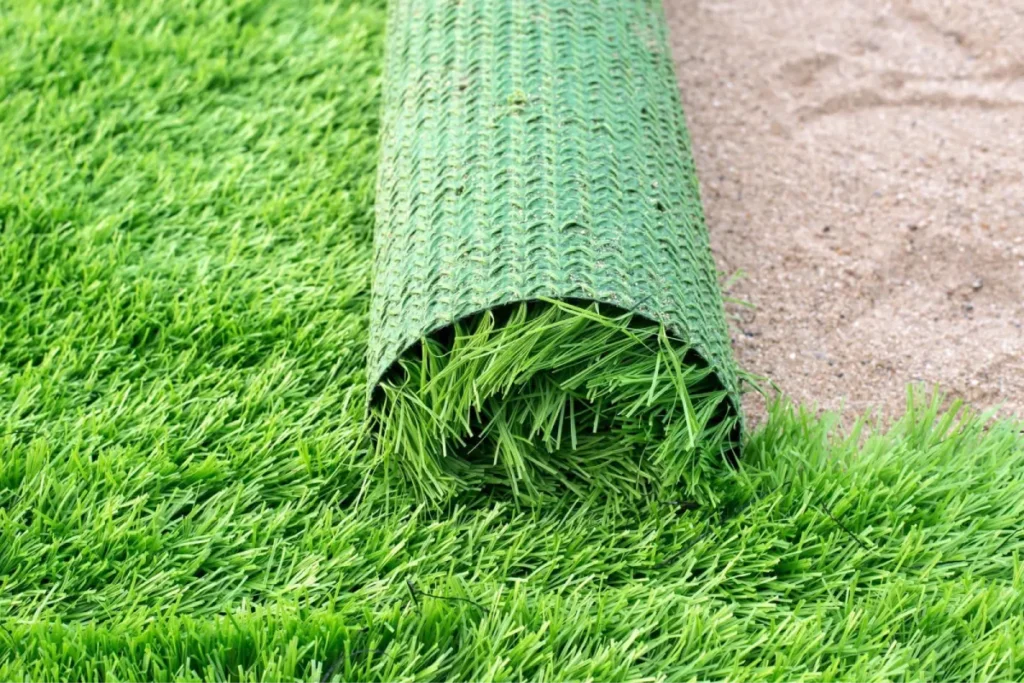
Artificial turf typically requires a larger upfront investment. Installation may involve removing existing grass, preparing the ground, creating a stable base, addressing drainage, and carefully installing the synthetic surface.
The potential financial advantage comes from lower ongoing maintenance. Synthetic turf does not require mowing, fertilizing, or routine watering to remain green. It may still require occasional cleaning, brushing, debris removal, and other maintenance, particularly in areas frequently used by children or pets.
Why Service Life Matters
A long-term comparison should consider how many years the surface is expected to remain functional and attractive. Homeowners can learn more about this consideration through How Should Homeowners Evaluate Artificial Turf Based On Its Expected Service Life, which provides a useful framework for thinking about longevity alongside overall costs.
Installation quality also matters. Proper base preparation and drainage are especially important in Tampa, where intense rainfall can quickly reveal weaknesses in an outdoor surface.
Which Option Makes More Financial Sense
Homeowners should compare the total cost of ownership, rather than focusing only on installation. That calculation can include maintenance, irrigation, lawn treatments, equipment, repairs, and eventual replacement.
For a smaller property with modest maintenance requirements, natural grass may remain financially practical. For larger or heavily used spaces that require frequent mowing and watering, artificial turf may offer greater long-term value.
A Practical Takeaway
The more cost-effective option depends on the property’s size, usage, drainage, maintenance expectations, and long-term plans. Beacon Turf provides turf solutions for Tampa-area property owners, helping homeowners consider synthetic landscaping tailored to their property’s specific needs.
Before making a decision, compare both the upfront investment and recurring expenses. Looking at the full lifespan can provide a clearer picture of which lawn surface offers better value over time.
