It might be tempting to ignore a small chip or crack on the windshield because it seems minor, is barely noticeable, or it’s not urgent enough to deal with right away.
Weather can change that quickly.
Heat, cold, and sudden temperature swings all put stress on glass. When a windshield is already damaged, that extra stress can cause a small problem to spread faster than drivers expect.
At a Glance: Why Weather Matters
A damaged windshield is more vulnerable to temperature changes because:
- Heat causes glass to expand
- Cold causes glass to contract
- Sudden temperature changes increase stress on already damaged areas
- Direct sunlight can heat one part of the windshield more than another
- Defrosters and heaters can create rapid temperature differences
- Small chips may spread into longer cracks over time
Not every chip will immediately turn into a large crack, but changing weather can make existing damage less predictable.
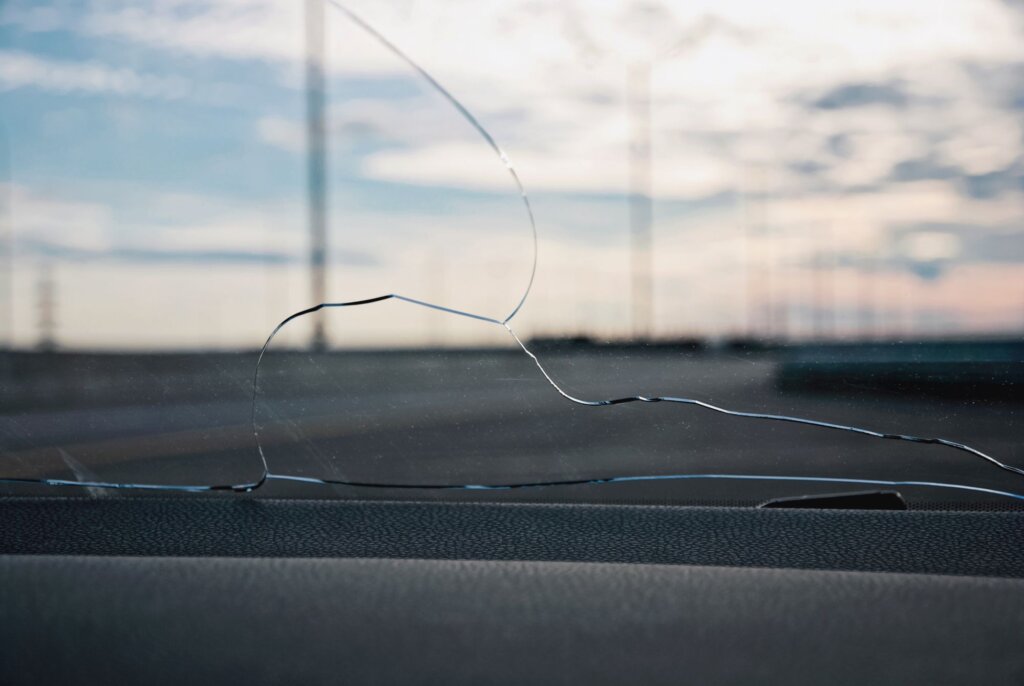
Damaged Glass Is Already Vulnerable
Your windshield is built to handle everyday temperature changes, road vibration, and pressure. Once it has a chip or crack, though, the glass is no longer responding as evenly as it did before. That damaged area becomes a weak point.
A crack that barely changes during mild weather may spread once the windshield begins heating and cooling more dramatically. Road vibration, potholes, and normal driving can add even more stress to the same area.
This is why a small chip can sometimes seem stable for weeks and then suddenly become much more noticeable.
Temperature Swings Cause Glass to Expand and Contract
One of the biggest reasons weather affects windshield damage is simple: glass reacts to temperature. When it gets hot, the glass expands. When it gets cold, it contracts. A healthy windshield can usually handle that normal movement.
A damaged windshield is different. A chip or crack creates a weak point, and repeated expansion and contraction can cause that weak point to spread. That is why a small crack can suddenly become longer after a cold night, a hot afternoon, or a sharp shift between the two.
Heat Can Make Existing Damage Spread
Warm temperatures and direct sunlight can put more stress on damaged glass than many drivers realize. If a windshield is already chipped or cracked, sitting in the sun or heating up quickly can make that area more likely to expand.
Even everyday situations can play a role. Parking outside on a hot day, moving from cool overnight temperatures into strong afternoon sun, or blasting heat inside the vehicle during colder weather can all add stress to already damaged glass.
Parking in shade when possible and avoiding sudden blasts of very cold air against extremely hot glass can help reduce rapid temperature changes. Those habits will not repair existing damage, but they can limit some of the extra stress on the windshield.
Cold Weather Can Be Hard on Cracks Too
Cold weather brings its own challenges. Low temperatures make the glass contract, and that movement can make a crack more vulnerable to spreading. Add in defrosting, icy conditions, or a sudden warm-up inside the car, and the stress on the glass can increase even more.
That is why drivers sometimes notice a crack getting longer after a cold night or while using the defroster. The damage might have already been there, but the weather helped push it further.
If the windshield is very cold, warming the vehicle gradually may reduce the sudden temperature difference across the glass. Still, once a crack has formed, temperature control alone cannot prevent every change.
Waiting Can Turn a Repair Into a Replacement
The biggest issue with weather-related crack spread is timing. A small chip is often repairable when caught early, but once it spreads, that same damage could require a full replacement instead.
That is frustrating for drivers because the damage may not have looked serious at first. But once weather gets involved, the window for a simpler fix can close faster than expected.
What Should You Do When You Notice Windshield Damage?
Start by paying attention to the size and location of the damage. If possible, avoid putting the windshield through extreme temperature changes until it has been checked. Never pour hot water on an icy windshield and try to avoid blasting very cold air directly onto extremely hot glass.
It is also a good idea to have the damage evaluated by a professional. An auto-glass professional can determine whether the windshield can be repaired or whether replacement makes more sense based on the type, size, depth, and location of the crack.
Frequently Asked Questions
Can a windshield crack spread because of temperature changes?
Yes. Glass expands when it warms and contracts when it cools. If the windshield already has a chip or crack, those temperature changes can put additional stress on the damaged area and contribute to the crack spreading.
Can hot weather make a windshield crack worse?
It can. Direct sunlight and high temperatures heat the windshield, which causes the glass to expand. Existing chips and cracks create weaker areas that may respond differently to that stress.
Can cold weather cause a windshield crack to spread?
Cold temperatures can contribute to crack growth as the glass contracts. Rapidly warming a very cold windshield, such as by using a hot defroster immediately, can create an additional temperature difference across the glass.
Should I repair a small windshield chip right away?
It is generally better to have small damage evaluated sooner rather than later. Some chips can be repaired before they spread, while larger or more complicated damage may require windshield replacement.
How do I know if a windshield can be repaired or needs to be replaced?
The answer depends on factors such as the size, depth, type, and location of the damage. Cracks near the edge of the windshield or damage that affects the driver’s field of vision may require a different approach. An auto-glass professional can inspect the damage and explain the available options.
Small Windshield Damage Is Easier to Address Early
Weather changes can make windshield damage worse because damaged glass is more vulnerable to the normal expansion and contraction that comes with heat and cold. What starts as a tiny crack can become a much larger problem in a short amount of time.
The earlier windshield damage is evaluated, the more options you may have for addressing it before a small problem becomes a larger repair.
This community resource is made possible through the generous support of local WhirLocal sponsors.