Starting your first vegetable garden can feel daunting. There are seeds (or starts) to choose, soil to prepare, and questions about what will actually grow well. But when you start to get the hang of things, gardening becomes one of the most rewarding ways to connect with nature, your home, your family, and even your community.
You also don’t need acres of land or years of experience. With the right sunlight, healthy soil, and realistic expectations, even first-time gardeners can grow fresh vegetables successfully.
Start Small and Keep It Manageable
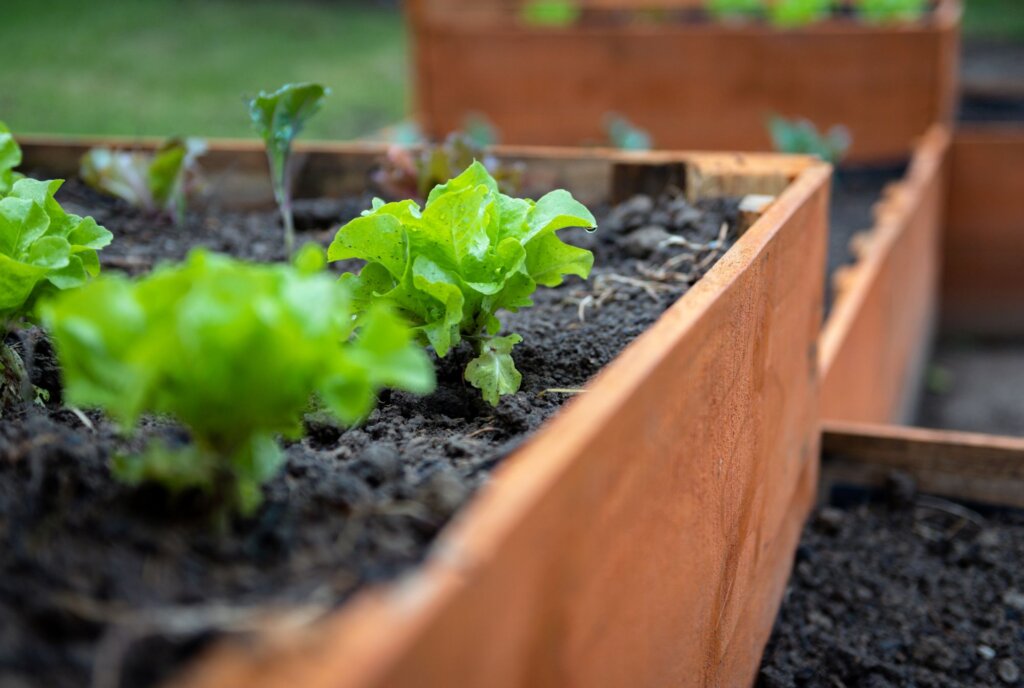
One of the most common beginner mistakes is planting too much too soon. Begin with a modest plot, a few raised beds, or even large containers. Make sure you don’t overcrowd your plants and give them room to grow over time. As your confident grows, your garden can too. Starting small also makes it easier to stay consistent with watering, weeding, and harvesting.
Choose the Right Spot
Sunlight is essential for most fruiting plants like tomatoes and peppers. Aim for a location that receives at least six to eight hours of direct sunlight each day. Leafy greens like lettuce or Swiss chard can tolerate less sunlight in warm environments.
Avoid planting directly under large trees or near shrubs that compete for nutrients and water. Accessibility is also important. If your garden is close to your home and your water source, you’re more likely to care for it regularly.
Build Healthy Soil First
Good soil sets the stage for everything else in your garden. Well-drained, nutrient-rich soil allows roots to grow deeply and absorb what they need. Raised beds can be especially beginner-friendly because they provide better drainage and allow you to control the soil mix more easily. Compost not only feeds your plants but also improves soil texture over time.
If you choose to plant in your native soil and it’s heavy clay or sandy, consider mixing in compost and organic matter to improve structure and fertility. Be sure to ask a gardening professional beforehand to make sure you’re getting the best ratio for your vegetables.
Choose Easy-to-Grow Vegetables
Some plants are more forgiving than others. Leaf lettuce, zucchini, peppers, cucumbers, beans, and cherry tomatoes are typically great starting points. These crops tend to grow quickly and offer visible progress, which can build confidence.
Pay attention to planting seasons. Cool-season crops like kale, broccoli, and radishes perform best in spring or fall, while warm-season vegetables such as tomatoes and squash prefer consistent warmth.
Understand Companion Planting
Companion planting is the practice of growing certain vegetables, herbs, or flowers near each other because they benefit one another. Some plants naturally deter pests, improve soil nutrients, or provide shade and support to neighboring crops. On the other hand, some plants compete heavily for nutrients or attract similar pests, making them poor neighbors.
For beginners, start with a few simple pairings and build from there. Many seed packets and plant tags include companion suggestions, and local garden centers can provide region-specific guidance on which combinations work well in your climate. Gardening books, websites, and community workshops are also excellent resources.
Water Consistently, Not Excessively
Vegetables typically need about one to two inches of water per week, including rainfall. Deep, steady watering encourages strong root systems. Water early in the morning whenever possible, which allows leaves to dry during the day and reduces the risk of disease. Mulching around plants can help retain moisture and suppress weeds.
Pay Attention and Adjust as You Learn
Gardening is an ongoing learning experience! Yellowing leaves, slow growth, or insect activity are signals to investigate and make small changes. Check your plants regularly and don’t be discouraged by occasional setbacks. Keeping labels or a simple garden journal can also help track what worked well and what you might adjust next season.
A beginner-friendly vegetable garden starts with sunlight, healthy soil, manageable goals, and steady care. With patience and a willingness to learn, fresh vegetables can grow right outside your door. And if you have questions or need a bit of advice, you can always ask the professionals at your local garden center.