Many people think of stress as something you feel in your mind or body first. Tension, poor sleep, irritability, and trouble focusing usually get the attention. But your skin often feels the effects too. When stress builds up, it can show as breakouts, dryness, itching, flare-ups, or skin that suddenly feels more reactive than usual.
How Stress Affects the Skin
Stress sets off a chain reaction in the body. Dermatology experts and research reviews have found that stress can worsen several common skin conditions and disrupt the skin barrier that protects and hydrates your skin. Hormones and inflammatory signals increase, and that can affect how well your skin holds moisture, repairs itself, and responds to irritation. Psychological stress can also impair the skin barrier, which may leave skin feeling drier, more sensitive, and slower to recover.
That matters because your skin barrier does an important job every day. It helps keep water in, irritants out, and your skin surface balanced. When stress disrupts that system, even a routine skin concern can feel harder to manage. A product you usually tolerate may start to sting. Redness might linger longer. Minor irritation can become more noticeable. This brain-skin connection has been discussed in dermatology research for years, especially in relation to inflammation and skin aging.
Skin Problems That Stress Can Make Worse
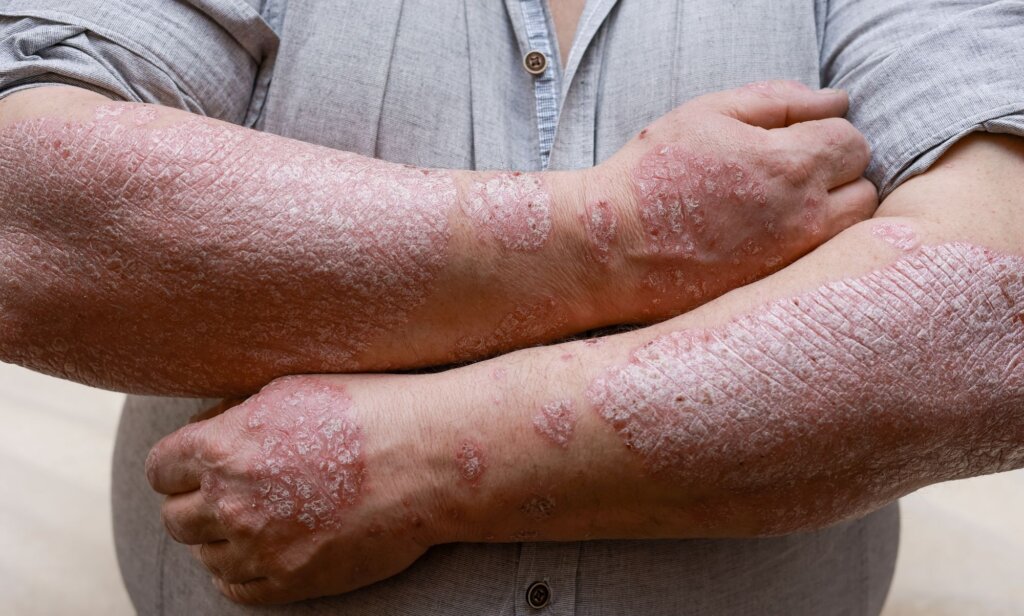
Stress does not create every skin condition from scratch, but it can make existing issues harder to control. The American Academy of Dermatology notes links between stress and conditions such as acne, eczema, psoriasis, and hives. Stress can also intensify itching, which often leads to more scratching and more irritation.
Acne is a common example. When life gets hectic, people may notice more breakouts along with more picking, inconsistent routines, or the urge to try too many products at once. The AAD also warns that changing acne products too often can irritate skin and lead to more breakouts rather than fewer.
Eczema is another condition that often becomes more frustrating during stressful periods. The National Eczema Association explains that stress can trigger or worsen symptoms such as itchiness and dry skin, which can feed a difficult cycle of discomfort and more stress. For people with psoriasis, stress is also a common flare trigger. While stress also does not cause psoriasis, many people report that it can make flare-ups more likely or more difficult to calm down.
Why the Stress-Skin Cycle Feels So Stubborn
One of the hardest parts is how easily stress and skin issues can feed each other. You feel stressed, your skin becomes more reactive, and then the skin change becomes one more thing weighing on you. That cycle is especially common with itchy or visible conditions.
This is one reason skin care works best when it is viewed a little more broadly. The right products are important, but habits matter too. Adequate sleep, hydration, gentle cleansing, and stress management won’t replace medical treatment, but they can support healthier skin and reduce some of the day-to-day strain on your routine.
Signs Stress Might Be Showing Up in Your Skin
You may notice that your skin feels tight, looks dull, breaks out more often, or reacts to products that never used to bother you. Some people deal with more itch, more redness, or flare-ups that seem to happen during busy seasons, family stress, travel, or sleep disruption.
That doesn’t always mean stress is the only cause. Skin changes can also be linked to allergies, hormones, weather, medications, infection, or an underlying condition. Still, when stress is part of the picture, it sometimes helps to explain why your skin seems harder to settle than usual.
Practical Ways to Support Skin During Stressful Times
Simplifying your skincare routine during times of stress is often a smart place to start. Gentle cleansing, consistent moisturizing, and avoiding unnecessary product changes can help reduce added irritation while your skin is already under pressure.
It also helps to pay attention to your everyday activities. Poor sleep, skipped meals, dehydration, and stress picking can all make skin concerns more noticeable. Small adjustments can help, like having a steady bedtime, regular water intake, and fragrance-free products. A short mental reset like walking, stretching, or quiet breathing can also help lower some of the pressure your body and mind are carrying. Stress reduction isn’t a cure-all for skin problems, but reducing stress may help restore healthier barrier function over time.
When It Makes Sense to See a Professional
If your skin is painful, persistently inflamed, suddenly changing, or not improving with gentle care, it could be worth getting professional guidance. A dermatologist can help you sort out the issue and create a targeted plan.
That kind of support can save time and frustration. It can also help you avoid over-treating your skin with harsh products that leave things worse than where you started.
Bringing Your Skin Back to Balance
Stress and skin health are more connected than many people realize. When stress rises, your skin barrier can become more vulnerable, and common concerns like acne, itching, dryness, and flare-ups may feel harder to manage. Gentle skin care, better daily habits, and support from a trusted professional can help your skin feel more balanced again.
This article is for informational purposes and is not meant to be taken as professional medical advice. For more information, consult a trusted primary care provider, mental health professional, or dermatologist.