For drivers in Weddington, SC, roads can expose a vehicle’s paint to more than rain and sunlight. Gravel, sand, and debris can strike the front end while driving, leaving chips and scuffs. Paint protection film (PPF) helps reduce this damage by placing a durable, transparent layer between the vehicle’s painted surface and road hazards.
How Paint Protection Film Absorbs Impact
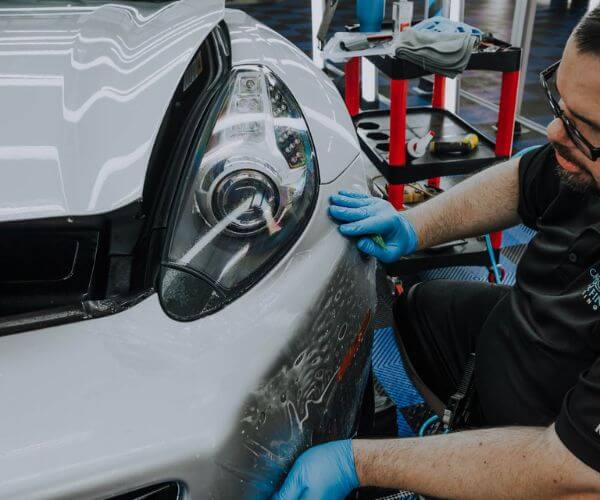
Paint protection film is a clear, flexible material designed to cover painted panels. When small stones or road debris hit a protected area, the film helps absorb and distribute some of the impact instead of allowing the force to reach the paint directly.
It is especially useful on high-impact areas such as the hood, bumper, fenders, mirrors, and other forward-facing surfaces. While PPF cannot prevent every type of damage, it can help preserve paint that would otherwise be vulnerable to chips and abrasion.
Why Local Driving Conditions Matter
Weddington-area drivers encounter road conditions, construction activity, gravel, and debris that can become airborne around moving vehicles. Wet weather can leave roads covered with mud and loose material, while driving behind trucks may increase exposure to kicked-up particles.
PPF is most valuable when matched to how a vehicle is used. Someone who spends time on highways may prioritize the front bumper and hood, while a driver who travels rural or developing roads may consider additional high-exposure areas.
Comparing PPF With Other Paint Protection Options
Wax and paint sealants can help protect against environmental contamination and make surfaces easier to clean, but they do not provide the same physical barrier against impacts. Ceramic coatings can add hydrophobic and surface-protection benefits, yet they are not designed to absorb stone strikes like protective film.
That distinction makes PPF a practical consideration for owners concerned about rock chips and road rash. The right approach depends on the vehicle and driving habits.
When comparing available options, drivers may also benefit from reading “What Should You Look for When Comparing Paint Protection Film Quality and Professional Installation” to better understand factors such as film clarity, thickness, flexibility, coverage, finish, surface preparation, pattern placement, and application quality. These details can influence both the appearance and performance of a PPF installation.
Local Paint Protection Guidance
Carolina’s Finest Detailing serves drivers in the Weddington area seeking vehicle paint protection guidance. An evaluation can help identify which panels face the most exposure and whether PPF fits the vehicle’s use.
The Takeaway
Road debris is an unavoidable part of driving, but its effect on automotive paint can be reduced. Paint protection film provides a physical barrier over vulnerable surfaces, helping defend against many impacts and abrasions. For drivers considering PPF, choosing suitable coverage and paying attention to installation quality can make the protection practical and consistent.
Featured Place
Carolina’s Finest Detailing, Ceramic Coatings, and Paint Protection Film (PPF)
1407 N Rocky River Rd
Monroe, North Carolina 28110
(337) 319-2889