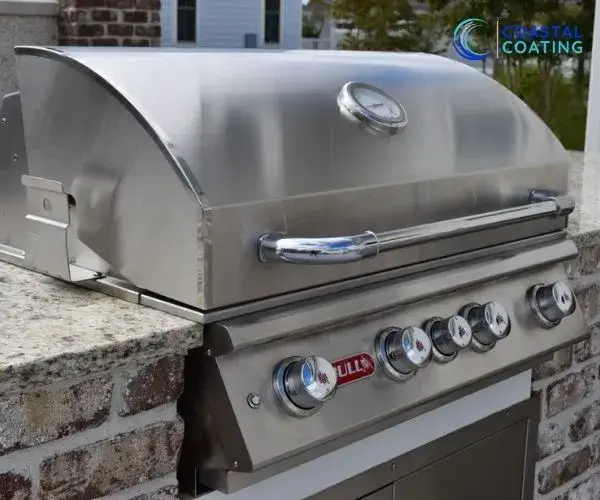
An outdoor kitchen has to handle more than cooking. Heat from grills, moisture from rain and humidity, and grease from everyday meals can gradually affect exposed surfaces. The service creates a protective surface that can help reduce absorption, staining, and wear while making cleanup easier.
Why Outdoor Kitchen Surfaces Need Protection
In Longs, SC, outdoor living spaces encounter warm temperatures, humidity, rain, and changing weather conditions. Coastal surroundings can expose exterior surfaces to salty air. When porous concrete or masonry repeatedly encounters moisture and cooking residue, contaminants can work their way into the material.
Grease is particularly troublesome around grills and food-preparation areas. Once oils penetrate an unprotected surface, removing the residue may require more aggressive cleaning. A suitable coating can create a less absorbent finish, helping spills remain closer to the surface.
Managing Heat Around Cooking Areas
Heat resistance is another important consideration when choosing an outdoor kitchen coating. Grills, burners, and cooking equipment can warm nearby surfaces. A coating selected for the application should handle the expected temperature range without compromising performance.
However, an outdoor kitchen coating does not mean a surface becomes fireproof. Direct flame and temperatures beyond a product’s specified limits can damage finishes. Following manufacturer requirements for application and use is essential.
Moisture Protection Supports Easier Maintenance
Rain and humidity can expose an outdoor kitchen to moisture. Coated surfaces may help limit water and contaminant absorption, reducing persistent staining and making routine washing more manageable.
This protection becomes useful when food particles, oils, and dirt accumulate between cleanings during regular everyday use. Rather than allowing contaminants to soak deeply into porous material, a prepared coated surface can provide a barrier that supports simpler maintenance.
What Happens With Repeated Exposure?
Outdoor kitchens rarely face heat, grease, or weather just once. These conditions occur repeatedly throughout the year, making surface preparation and product selection factors in coating performance.
For a deeper look at what homeowners should expect, read “How Does Outdoor Kitchen Coating Perform Under Repeated Heat, Grease, and Weather Exposure.” The discussion connects directly to the same concerns: choosing a coating based on surface material, temperature exposure, moisture, and cleaning demands.
Choosing the Right Coating
Not every coating works for every outdoor kitchen surface. Consider the substrate, expected heat, exposure to rain, traction requirements, cleaning methods, and product specifications. Proper preparation also matters because grease, dirt, loose material, or existing moisture can interfere with adhesion.
A Local Perspective
For homeowners in Longs, protecting an outdoor kitchen is about matching the surface treatment to the environment. Coastal Coating can help property owners understand coating considerations and determine what approach fits their outdoor space without treating every project as identical.
The Takeaway
Outdoor kitchen coating can help surfaces resist moisture absorption, grease staining, and everyday environmental exposure while supporting easier cleaning. For Longs homeowners, selecting an appropriate system and preparing the surface correctly are key steps. To learn more about coating options for outdoor surfaces, visit Coastal Coating.