Commercial window film changes how sunlight interacts with building glass, making it especially useful for windows that receive direct sun for much of the day. Depending on the film, it can reduce solar heat and glare, filter ultraviolet radiation, and provide additional privacy without completely blocking natural light.
For businesses in Spartanburg, SC, sun-facing windows can experience significant exposure throughout the day. The right film can address practical challenges associated with heavily exposed glass while maintaining the building’s existing appearance.
How Does Window Film Handle Constant Sun Exposure
Commercial window films are engineered for architectural glass and come in different performance options. Solar-control films can reduce the amount of solar energy transmitted through windows, potentially helping interior spaces feel more comfortable.
Performance depends on the film specification, glass type, window orientation, and the amount of sunlight reaching the surface. A south- or west-facing window, for example, may experience different conditions from a shaded elevation.
Does Commercial Window Film Block UV Rays
Many architectural films are designed to reject or filter a significant portion of ultraviolet radiation. Reducing UV exposure can help limit the fading and deterioration of certain interior furnishings, flooring, displays, and other materials near windows.
UV protection differs from heat rejection, so businesses should consider both when comparing products.
What Happens To Glare On Sun-Facing Windows
Direct sunlight can create uncomfortable glare on computer screens, conference tables, showroom displays, and other work surfaces. Depending on the product, window film can reduce visible glare while still allowing daylight into the building.
This can be especially relevant for offices where employees work near exterior glazing for extended periods.
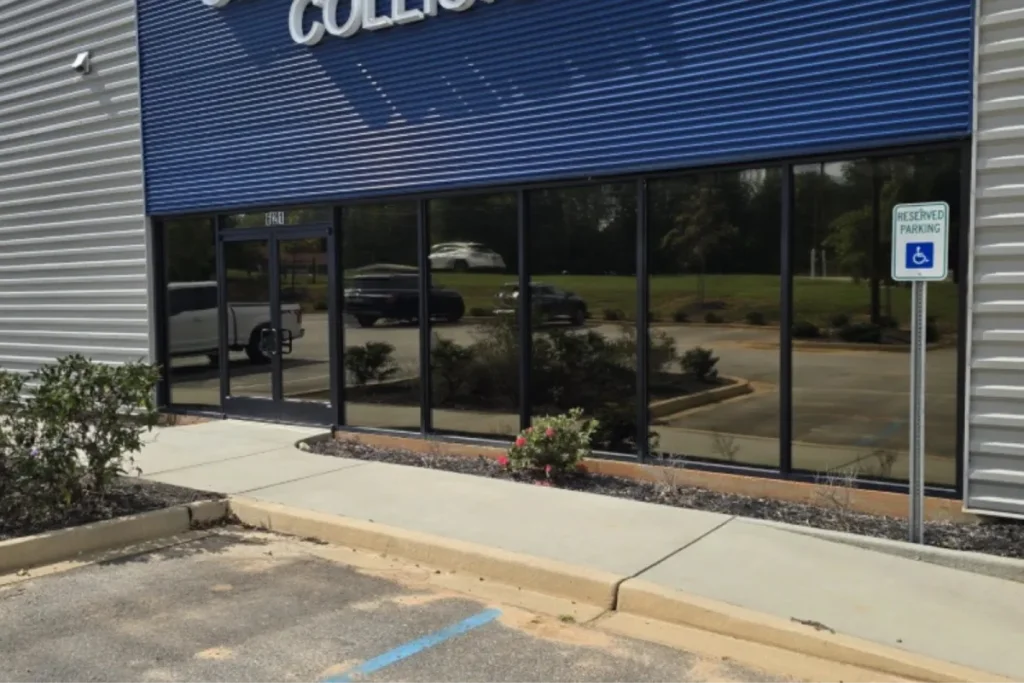
How Can Businesses Choose The Right Film
The ideal film depends on the building’s specific priorities. Consider:
- Solar control: Useful for windows receiving substantial direct sunlight.
- Glare reduction: Important for workspaces with screens or reflective surfaces.
- UV protection: Relevant when protecting furnishings and interior finishes.
- Privacy: Useful where visibility into offices or meeting spaces is a concern.
- Appearance: Film options vary in reflectivity, darkness, and visual character.
For businesses balancing privacy with solar performance, What Type Of Commercial Window Film Is Best For Conference Room Privacy offers another useful angle when evaluating architectural film options.
For Spartanburg-area properties, United Film Solutions can be a local resource for discussing commercial window film based on a building’s glass, exposure, and functional requirements.
The Takeaway
Commercial Window Film can help businesses manage heat, glare, UV exposure, and privacy on glass exposed to direct sunlight. Because performance varies by product and building conditions, evaluating each window’s needs is an important step before selecting a film.
Featured Place
United Film Solutions – Commercial & Residential Glass Window Tinting
368 W Main St
Spartanburg, South Carolina 29301
(864) 308-6376