On a bright Texas afternoon, a vehicle can feel much hotter after sitting in the sun. Ceramic window tinting addresses that problem by using advanced ceramic particles designed to filter infrared radiation without relying on a dark appearance. The result can be a cooler cabin while preserving useful outward visibility.
How Ceramic Tint Handles Infrared Heat
Infrared radiation is a major component of the sun’s energy that contributes to heat entering through automotive glass. Ceramic films are engineered to reject a significant portion of infrared energy while still allowing visible light to pass through. Unlike simply choosing a darker tint, the goal is to manage solar energy through the film’s material properties.
That distinction matters for drivers who want heat control without sacrificing a clear view of traffic, cyclists, pedestrians, or signs. In Manchaca, where vehicles encounter intense sunlight and warm conditions, reducing solar heat through the glass can make daily driving more comfortable.
Why Visibility Matters
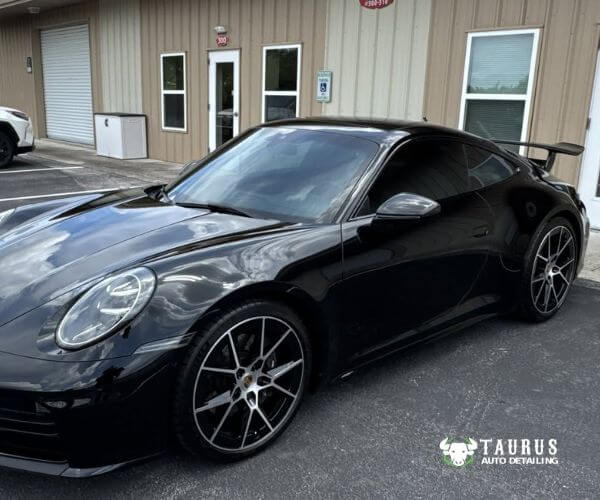
Tint darkness and heat rejection are not necessarily the same thing. A very dark film may reduce glare and visible light, but it can also make it harder to see details, particularly at night or in shaded areas. Ceramic window tinting can provide heat-management benefits while maintaining a lighter, clearer appearance, depending on the film selected and applicable Texas tint requirements.
Drivers should consider windshield and front-window visibility carefully. Proper film selection involves balancing solar control, glare reduction, appearance, and safe sightlines rather than simply choosing the darkest option.
More Than Cabin Comfort
Infrared rejection is only one part of the value of automotive window film. UV exposure is another consideration for vehicles that spend considerable time outdoors. For a deeper look at window tinting, UV protection, and interior preservation, see What Are the Main Benefits of Window Tinting for UV Protection and Interior Preservation. Both topics involve managing solar exposure through vehicle glass.
Reducing solar energy entering the cabin may also make the interior feel less oppressive after parking in direct sun. While tint cannot eliminate heat buildup entirely, it can contribute to a more manageable interior environment when combined with shaded parking and sensible ventilation.
Choosing Window Tint for Texas Driving
Before installation, consider your driving schedule, nighttime visibility needs, desired appearance, and direct sun exposure. It is also important to verify that the selected film complies with current Texas window-tint regulations.
For drivers in Manchaca, Taurus Auto Detailing offers window tinting as part of its automotive appearance and protection services. The practical goal is not simply a darker window, but a film choice that fits how the vehicle is actually used.
A Practical Takeaway
Ceramic window tinting works by managing infrared and other solar energy while allowing visible light to pass through. For Texas drivers, that combination can support a more comfortable cabin without making visibility unnecessarily dark. A thoughtful film selection can balance heat control, clarity, appearance, and everyday driving needs.
Featured Place
Taurus Auto Detailing, Paint Protection Film & Ceramic Coating
10421 Old Manchaca Rd
Austin, Texas 78748
(512) 337-2879