Faded gelcoat can make a boat look older than it really is. Boat detailing helps restore its appearance by cleaning embedded contamination, correcting oxidation, refining the surface, and applying protection. Rather than simply making a vessel look cleaner, the process addresses conditions that cause fiberglass finishes to become dull, chalky, or uneven over time.
Why Gelcoat Fades
Gelcoat is the pigmented outer layer found on many fiberglass boats. Constant exposure to sunlight, moisture, pollutants, salt, and grime can gradually degrade its finish. In Dallas, boats may also face summer heat, dust, and temperature changes, which can contribute to surface deterioration.
Oxidation is a common surface problem. As the finish weathers, it can lose gloss and develop a hazy appearance. Washing alone may remove loose dirt, but it cannot correct oxidized material affecting the surface.
How Detailing Improves the Finish
A detailing process typically begins with washing and decontamination. Removing dirt, algae residue, water deposits, and other surface contaminants gives the technician a cleaner surface to evaluate.
If oxidation is present, polishing or compounding may be used to refine the affected surface. The level of correction depends on the gelcoat’s condition. Aggressive treatment is not automatically better; unnecessary material removal can create problems.
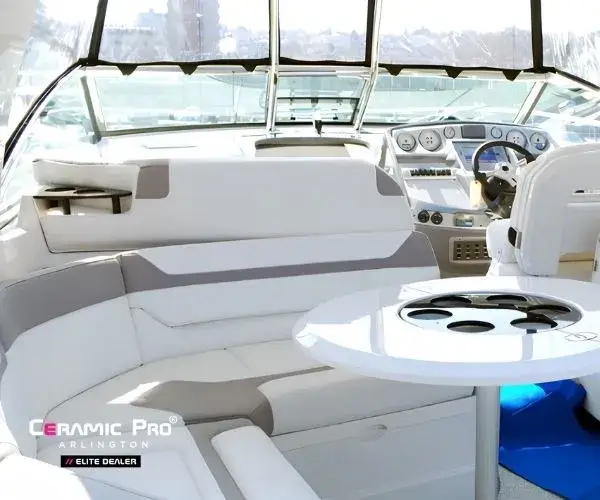
Restoring Gloss Without Overworking the Surface
After correction, polishing can improve clarity and reflectivity. A cleaner, smoother gelcoat can appear deeper and brighter because light reflects more evenly from the surface. Protection may then be applied to help reduce the impact of future contamination and environmental exposure.
Boat owners should distinguish detailing from repair. Deep gouges, structural damage, severely deteriorated gelcoat, or areas requiring fiberglass work may need specialized restoration rather than cosmetic detailing.
Keeping Dallas Boats Looking Their Best
Local conditions make routine care worthwhile. Dust can settle on exposed surfaces, while rain can leave mineral residue as water evaporates. When a boat sits for extended periods, contaminants can become harder to remove. Regular washing, drying, and surface protection can help prevent buildup from becoming an appearance problem.
For boat owners in Dallas, Ceramic Pro Arlington can be a resource for professional boat detailing and surface care. The focus should be on assessing the gelcoat first, choosing a suitable correction method, and protecting the finish according to its condition and intended use.
A Related Look at Surface Contamination
Water spots and mineral deposits can affect a boat’s finish, particularly after repeated exposure to water and incomplete drying. For a closer explanation, read “How Does Boat Detailing Remove Water Spots, Mineral Deposits, and Surface Contamination.” It provides context for understanding why decontamination matters before polishing or protecting gelcoat.
The Takeaway
Boat detailing can improve faded gelcoat by removing contamination, addressing oxidation, refining gloss, and adding surface protection. With sensible maintenance and attention to Dallas’s environmental conditions, owners can keep their boats looking cleaner between outings. Ceramic Pro Arlington offers a local option for owners who want professional boat care.
Featured Place
Ceramic Pro Arlington – Ceramic Coating & PPF
2202 E Road to Six Flags St
Arlington, Texas 76011
(682) 320-8250