Sunlight is part of life along Little River, South Carolina, but repeated exposure can be hard on a boat’s finish. Ultraviolet radiation can contribute to oxidation, dullness, discoloration, and fading. A properly selected boat coating can help reduce this exposure by forming a protective layer over compatible surfaces, helping the finish retain its appearance between routine maintenance.
Why UV Exposure Matters on the Water
Boats face more than occasional sunlight. They may spend hours on open water, where there is little shade and reflected light can increase exposure. In coastal South Carolina, warm temperatures, humidity, salt-laden air, and frequent boating create maintenance challenges.
UV radiation can affect gelcoat, painted surfaces, plastics, and other exterior materials differently. Over time, unprotected gelcoat may become chalky or lose its gloss. Darker finishes can also show fading more noticeably. While a coating cannot stop UV exposure entirely, a product designed with UV resistance can help limit its effects on treated surfaces.
How Boat Coating Helps Preserve the Finish
A boat coating creates a barrier between the surface and everyday environmental contaminants. Depending on its formulation and intended application, a coating may provide resistance to UV exposure while helping water and contaminants interact differently with the surface.
A protected surface can make routine washing easier and help owners spot oxidation, staining, or other changes early.
Protection Still Requires Maintenance
Coating is not a substitute for proper care. Regular washing with marine-appropriate products helps remove salt, grime, and other contaminants. Owners should follow the manufacturer’s care recommendations and avoid harsh chemicals or abrasive methods that could affect the finish.
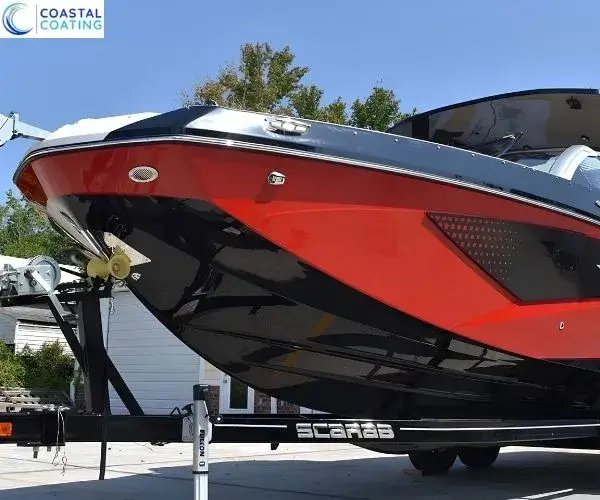
Why Local Conditions in Little River Matter
Boaters around Little River and the Grand Strand deal with strong sun, coastal moisture, salt exposure, and changing weather throughout the boating season. Outdoor storage increases exposure, making surface care important.
Coastal Coating in Little River provides a local option for boat owners considering protective coating work. The right approach depends on surface condition, use, and coating specifications. An evaluation can help determine whether preparation, correction, or another maintenance step should come before application.
Can Boat Coating Make Cleaning Easier?
UV protection is only one part of the equation. A well-maintained coating may also change how water spots, dirt, and marine contaminants adhere to a surface. For a closer look, read How Can Boat Coating Make Cleaning Water Spots, Dirt, and Marine Contaminants Easier. This connects directly to coastal boat care, where routine cleaning is unavoidable.
A Practical Takeaway
Boat coating can help protect compatible surfaces from UV-related fading and oxidation while supporting easier routine maintenance. It works best with proper washing, inspection, and storage.
For Little River boat owners, Coastal Coating can explain coating considerations based on the vessel’s surfaces and condition. Protecting the finish before severe fading develops can help preserve the boat’s appearance through sunny days on the water and help reduce the effort required for surface care between boating weekends and trips.