A roofing system needs more than sound shingles and secure flashing. Proper ventilation helps control heat and moisture in the attic, and a roofing contractor prevents problems by evaluating airflow before installation, matching intake and exhaust vents, and keeping ventilation pathways unobstructed. In Gladwyne, seasonal temperature swings, rain, snow, and humidity can affect roof performance.
Why Roof Ventilation Matters
Ventilation allows fresh air to enter through intake areas, commonly soffit or eave vents, while warm, moist air exits through exhaust vents near the roof’s upper section. When these components are mismatched or blocked, attic conditions can become unstable.
Excess moisture may contribute to condensation, damp insulation, wood deterioration, or mold growth. Excess heat can also raise attic temperatures. It works best alongside adequate insulation and correct installation.
How Contractors Prevent Ventilation Problems
1. Inspect the Existing Airflow
Before replacing materials, a roofing contractor should examine the attic and roof structure for blocked soffit vents, inadequate exhaust capacity, damaged components, or modifications that interfere with airflow.
2. Balance Intake and Exhaust
Adding an exhaust vent without sufficient intake air can limit intended airflow. A roofing contractor should consider the entire ventilation system rather than one vent alone.
3. Protect Ventilation Paths
During installation, materials should not obstruct designed airflow channels. Contractors also need to install roof vents according to product requirements and the roof design.
4. Coordinate Ventilation With the Roof Design
Roof pitch, attic configuration, and existing vent locations can influence the approach. Careful planning helps prevent a new roof from covering or conflicting with ventilation components.
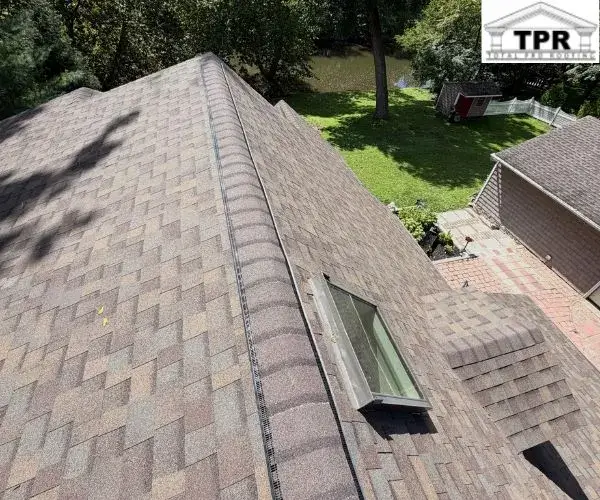
What Homeowners Should Ask
Before work begins, ask how the contractor plans to evaluate existing ventilation, where intake and exhaust airflow will occur, and whether attic insulation could restrict soffit airflow. Ask what changes are necessary rather than assuming every roof needs additional vents.
For homeowners considering repairs, the same inspection can help clarify whether aging materials need replacement or whether selected areas remain serviceable. For more guidance, read How Can a Roofing Contractor Determine Which Parts of an Aging Roof Can Still Be Repaired. Both assessments can inform responsible repair or replacement decisions.
A Local Roofing Perspective
Gladwyne homes experience changing weather throughout the year, making moisture management and proper roof installation important considerations. A well-planned ventilation system can help a roof assembly handle seasonal conditions. Drainage around roof edges also matters because clogged gutters or poorly directed runoff can keep roof components and exterior walls exposed to excess moisture over time.
Total Pro Roofing can help homeowners evaluate roofing needs with attention to installation details.
The Takeaway
A roofing contractor prevents improper ventilation by assessing airflow, balancing intake and exhaust, protecting ventilation channels, and coordinating vents with the roof design. Homeowners can support that process by asking questions and requesting an explanation of the ventilation plan. For roofing guidance in Gladwyne, Total Pro Roofing is a local resource worth considering.