Choosing roofing material is not a matter of appearance. A roofing contractor compares materials by considering service life, resistance to weather, maintenance demands, installation requirements, and how well each option suits the building. In Bryn Athyn, PA, temperature changes, rain, snow, wind, and freeze-thaw cycles can influence how a roof performs long term.
What Makes One Roofing Material More Durable Than Another?
Durability depends on how a material responds to exposure. Asphalt shingles are used because they offer a balance of cost, performance, and maintenance. Metal roofing provides resistance to wind, moisture, and impact, while also shedding rain and snow. Slate is durable and can last decades when properly installed, but its weight and installation requirements make structural considerations important.
A roofing contractor also examines how materials handle moisture. Areas where water can collect, such as valleys, flashing transitions, and around roof penetrations, deserve attention regardless of the roofing material selected.
Maintenance Matters as Much as Material
A durable roof still needs attention. Homeowners should watch for cracked, curled, loose, or missing shingles; damaged flashing; moss or algae growth; clogged gutters; and signs of water intrusion inside the home. Metal roofs may require inspection of fasteners, seams, and areas where different materials meet. Slate roofs require careful inspection because pieces can break or shift.
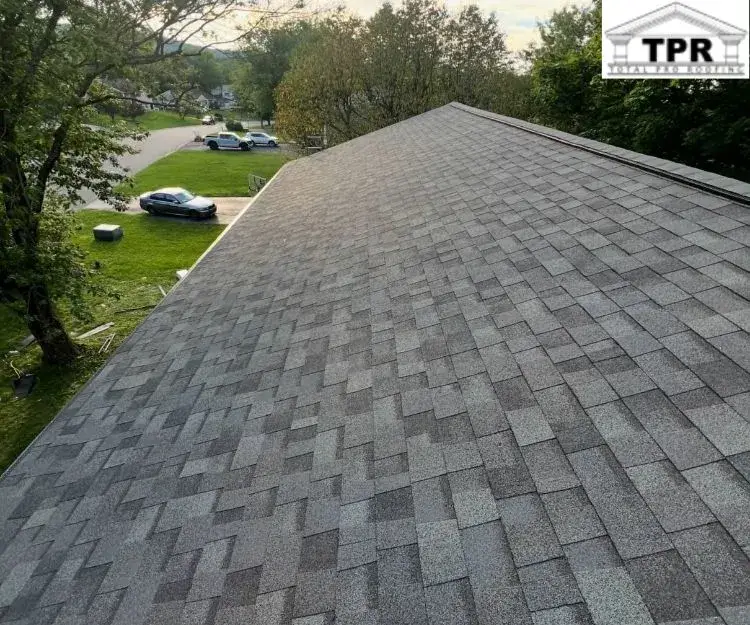
Why Professional Inspection Helps Compare Long-Term Needs
Material comparisons become more useful when they account for the roof structure and its condition. A professional inspection can reveal issues that are not visible from the ground, including deteriorated flashing, concealed moisture, damaged decking, or ventilation problems.
For a deeper look at this process, see How Can a Roofing Contractor Identify Hidden Roof Damage During a Professional Inspection. Understanding how hidden problems are found helps homeowners recognize why material selection and roof condition should be evaluated together rather than separately.
Choosing With Local Conditions in Mind
Bryn Athyn homes experience weather patterns that can put stress on roofing systems. Snow and ice can add weight, while freeze-thaw cycles can expose weaknesses in roofing components. Wind-driven rain can also test flashing, seals, and drainage paths. A roofing contractor can compare materials according to these conditions while considering roof slope, ventilation, drainage, and the home’s construction.
A Practical Way to Compare Options
Instead of asking which roofing material is universally superior, compare each option by durability, maintenance requirements, weather resistance, installation complexity, appearance, and compatibility with the property. This creates a more realistic picture of long-term performance.
Total Pro Roofing can help homeowners evaluate roofing considerations with the environment in mind. The goal is a roof selection that makes sense for the property’s structure, exposure, and maintenance expectations.
The Takeaway
The right roofing material depends on more than lifespan alone. Durability, weather exposure, maintenance, installation requirements, and roof conditions matter. A thoughtful comparison can help homeowners make an informed decision before repairs or replacement begin. For guidance specific to the roof, consider speaking with Total Pro Roofing about your property’s needs.